Building Union Power: A Week with GP Jimmy Williams Jr.
There's a difference between being told you have power and actually understanding where it went and how to get it back. In June, our members got both.
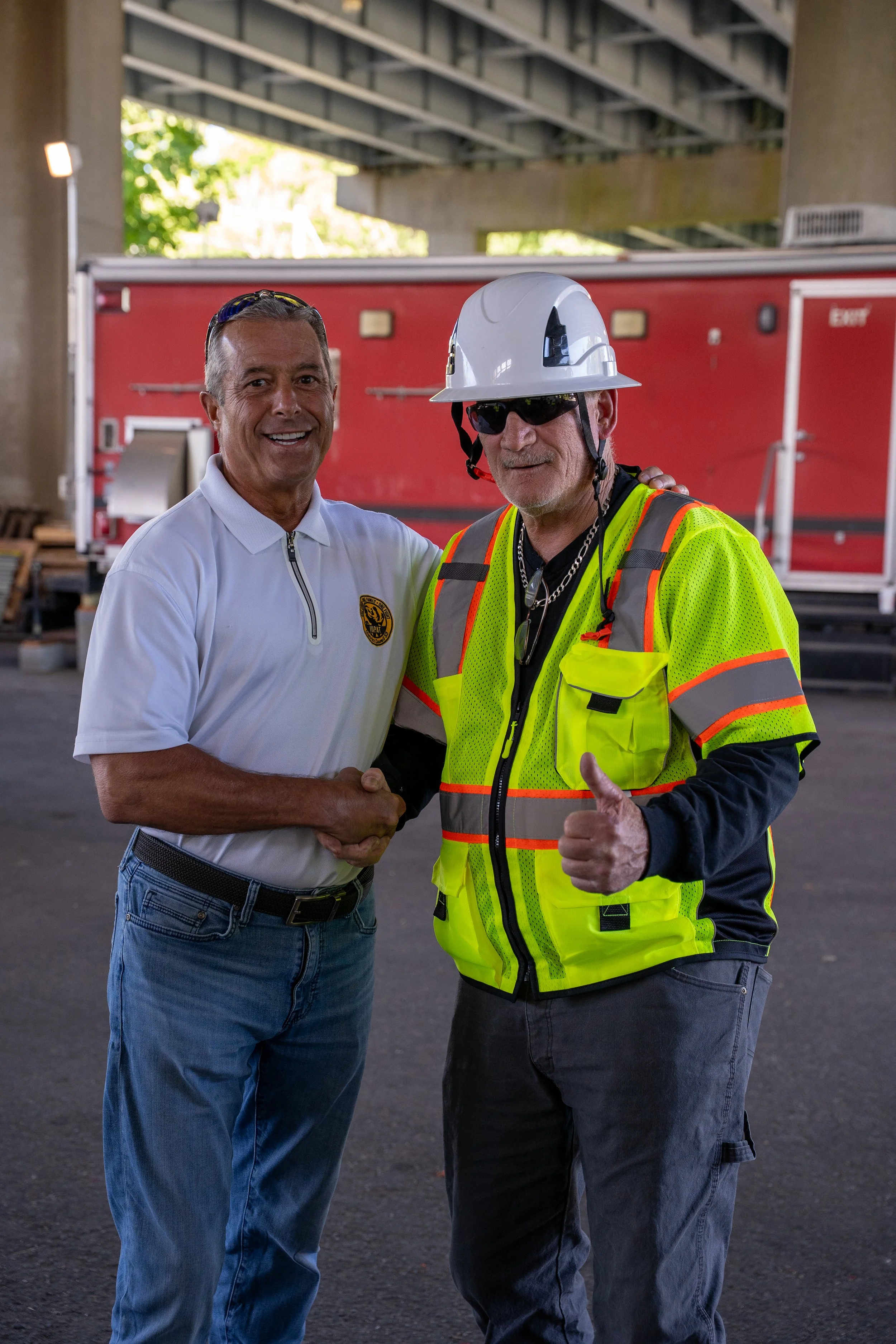
Our IUPAT General President Jimmy Williams Jr. came to District Council 11 and he rolled up his sleeves and got to work with us.
The heart of the week
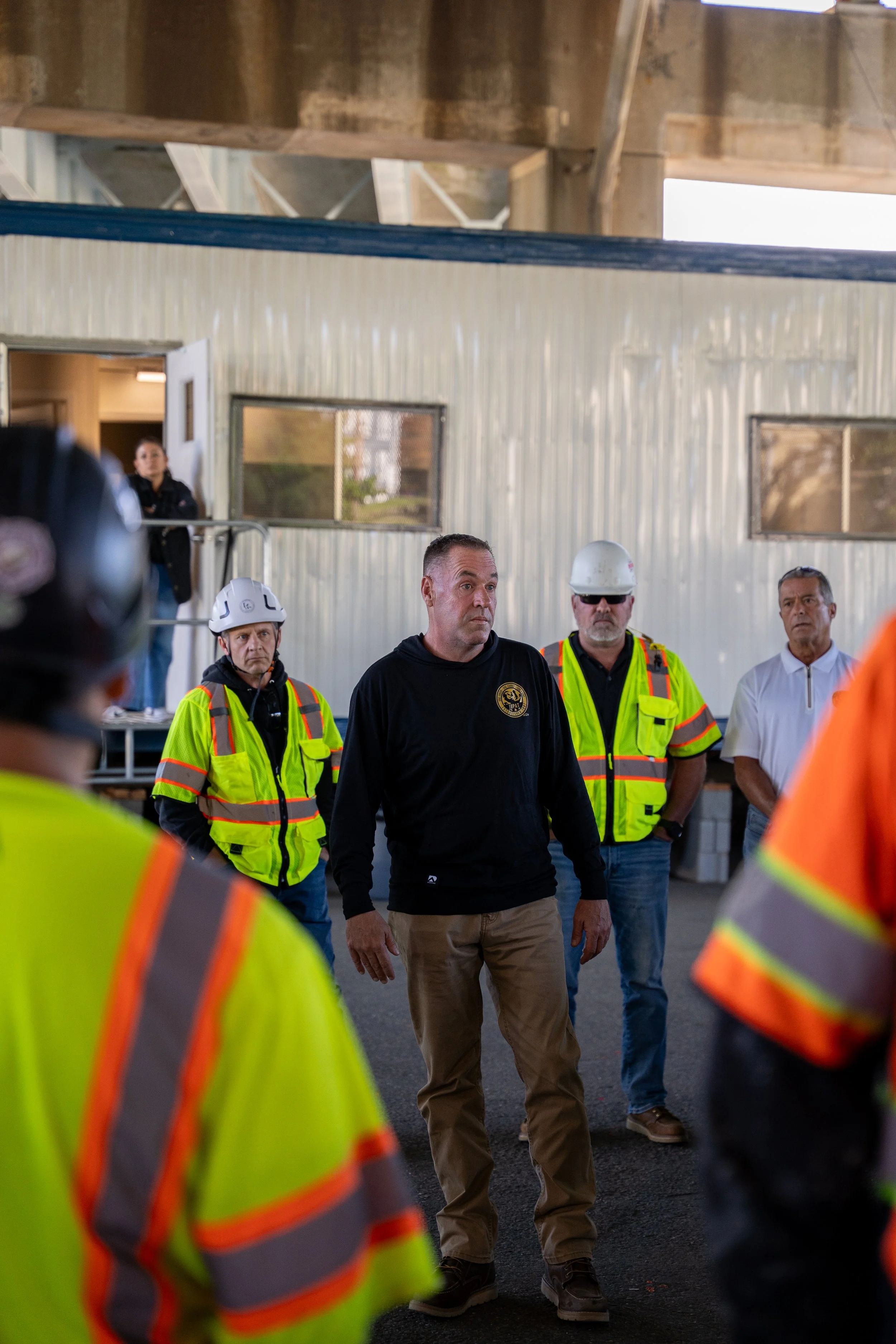
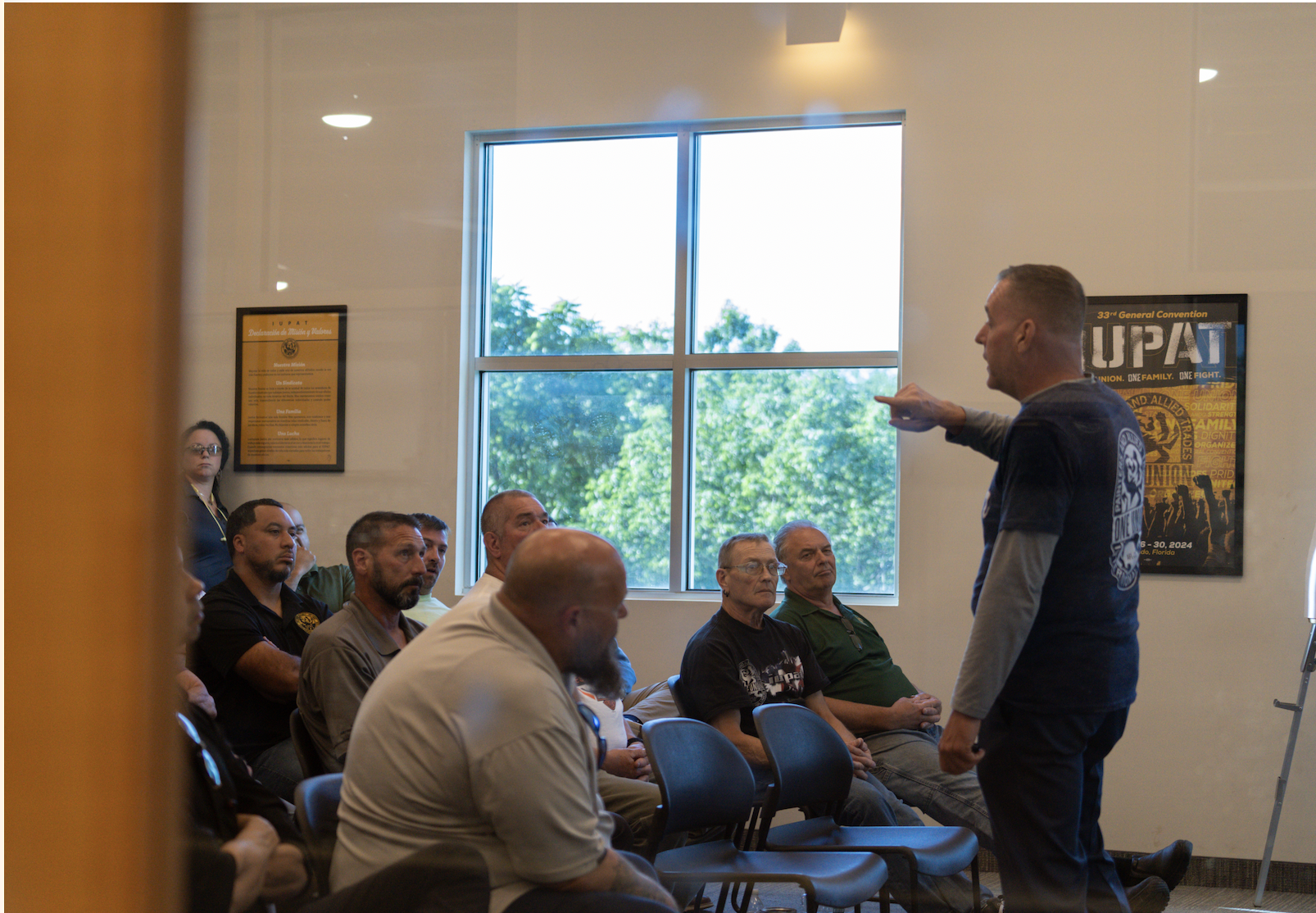
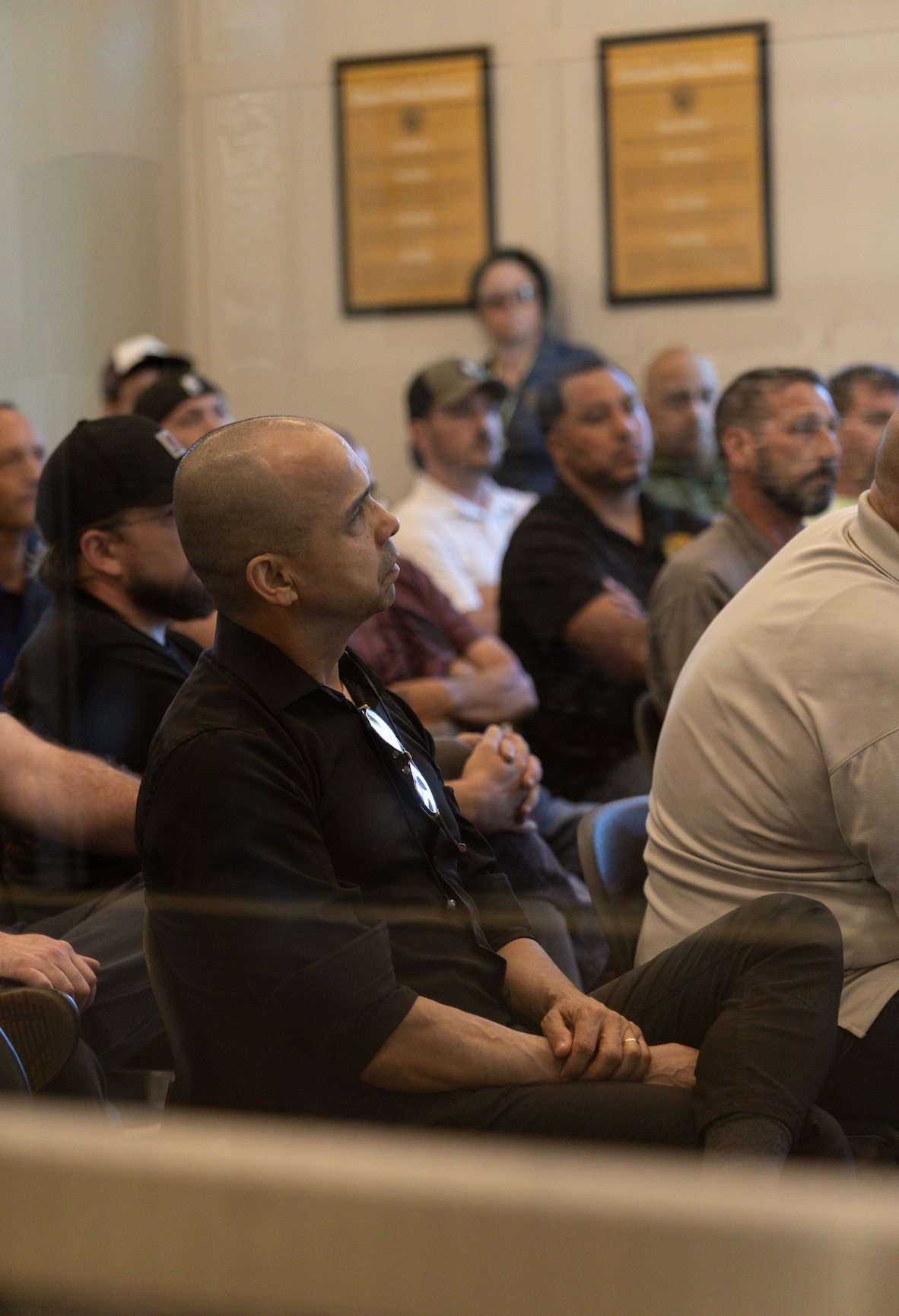
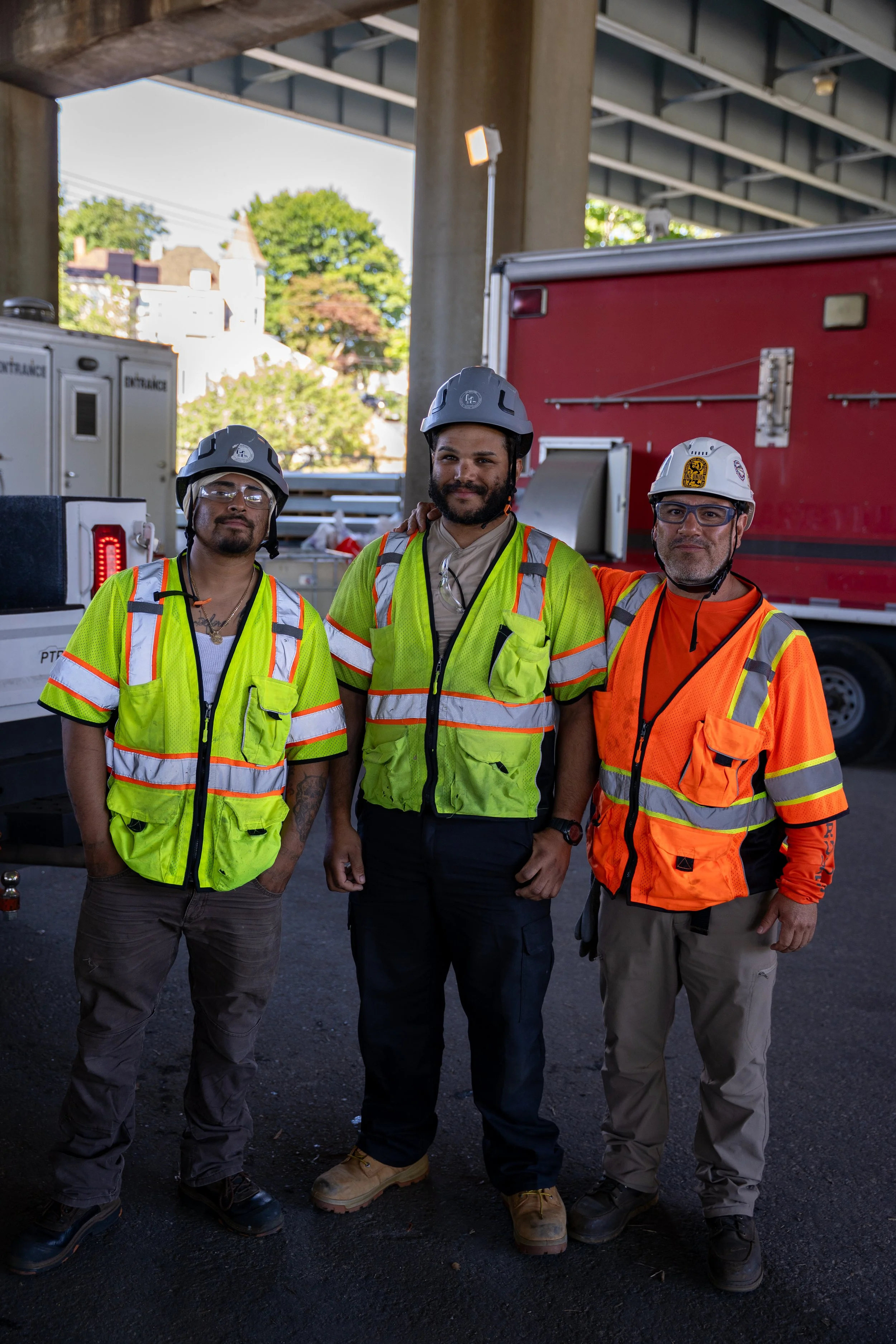
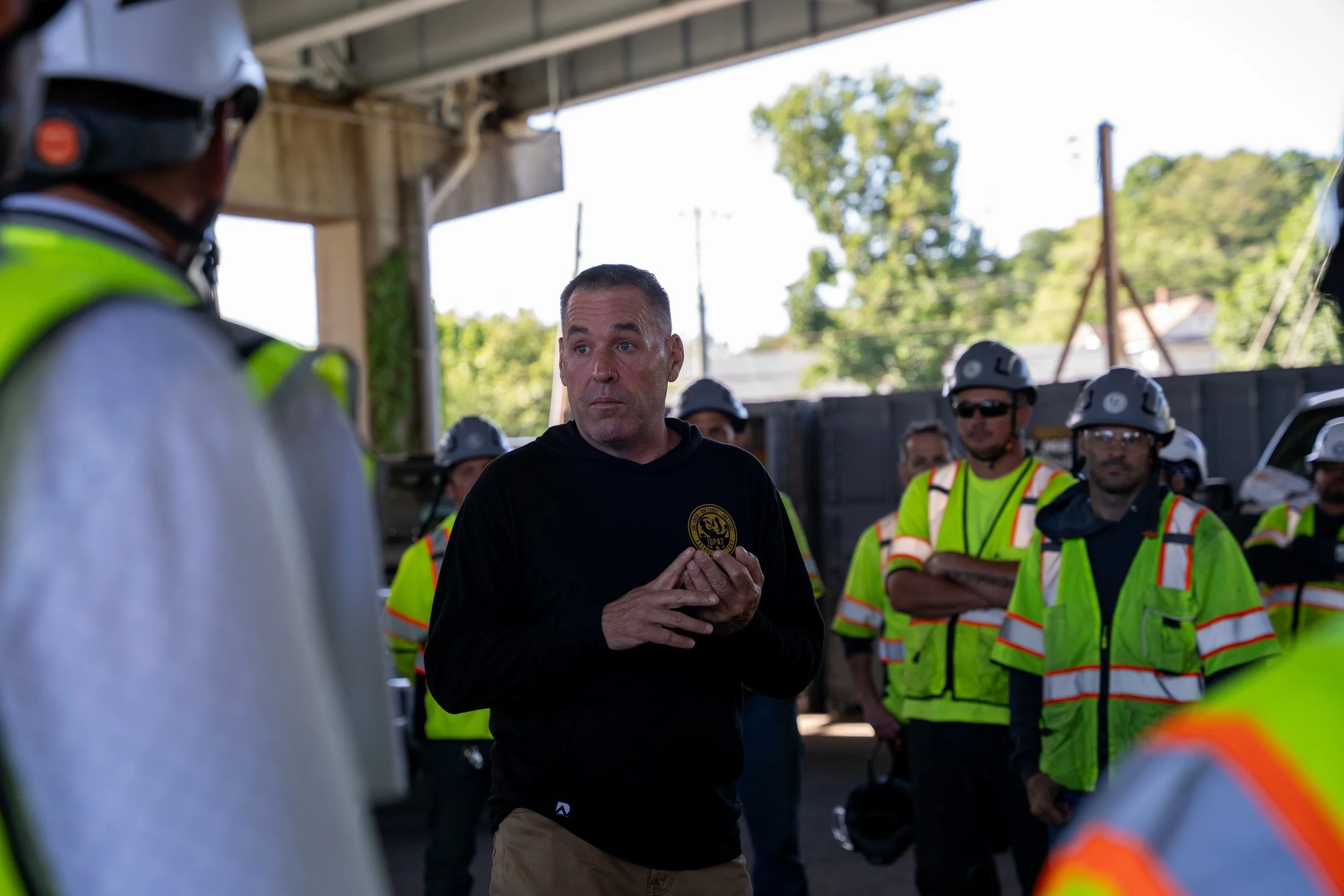
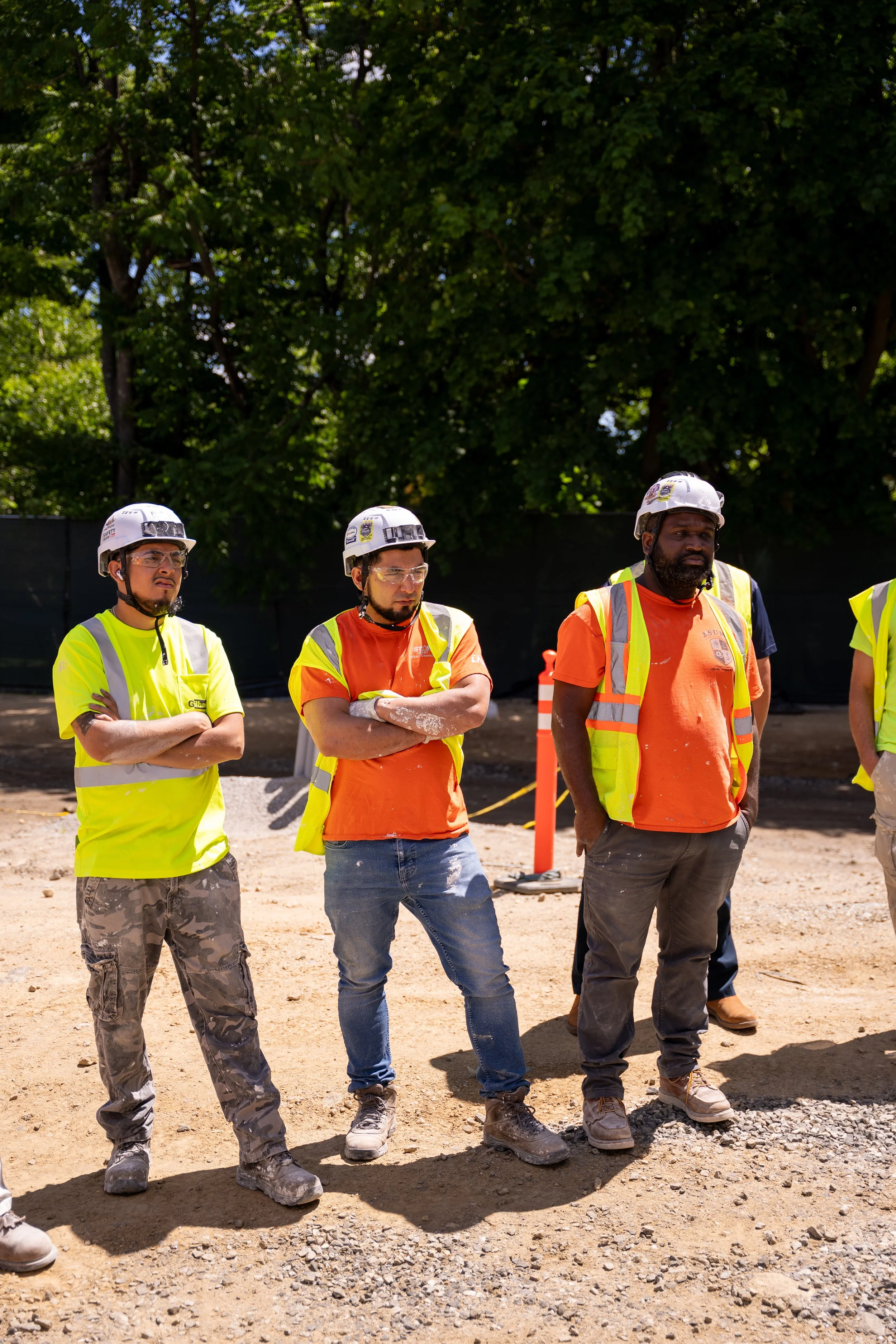
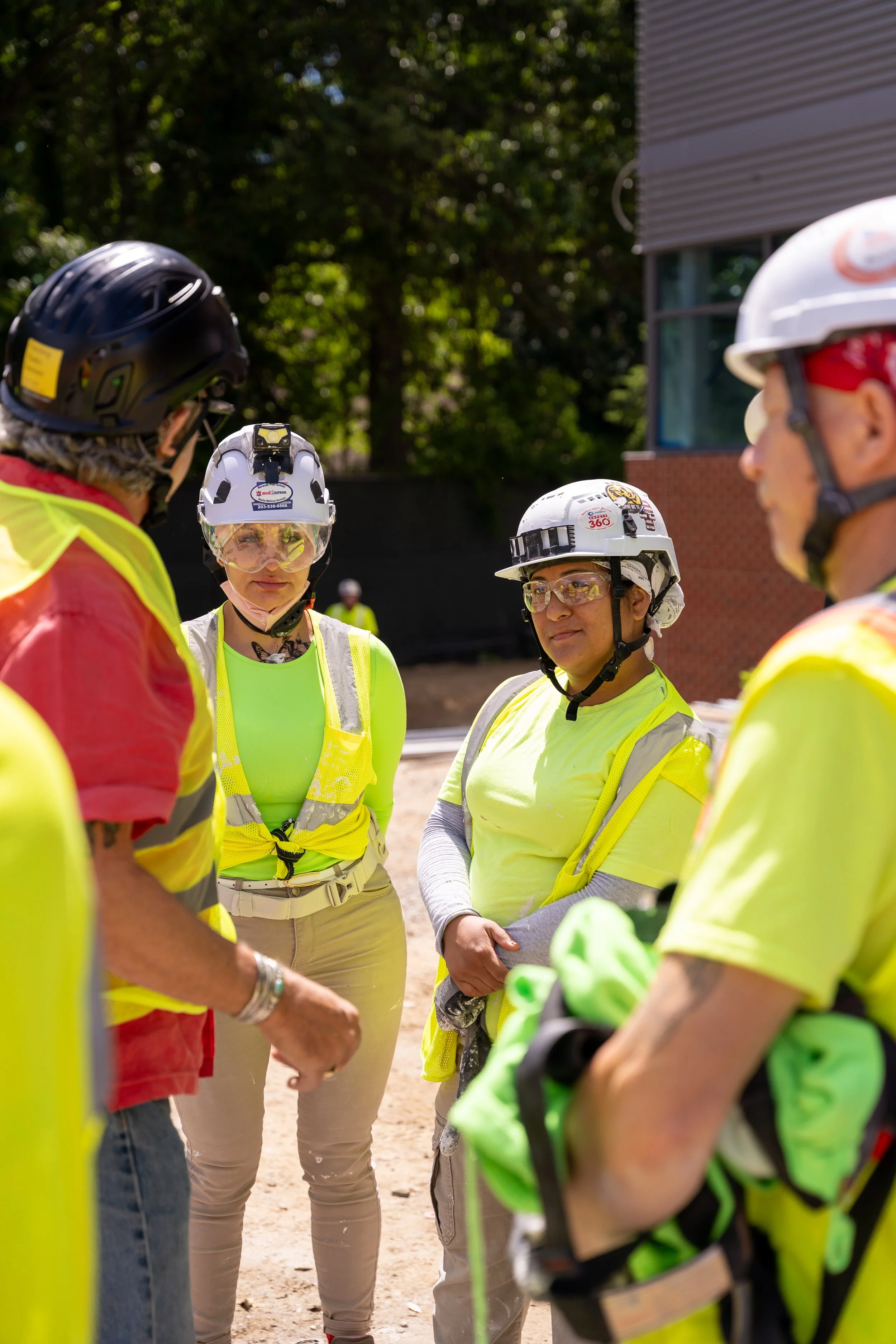
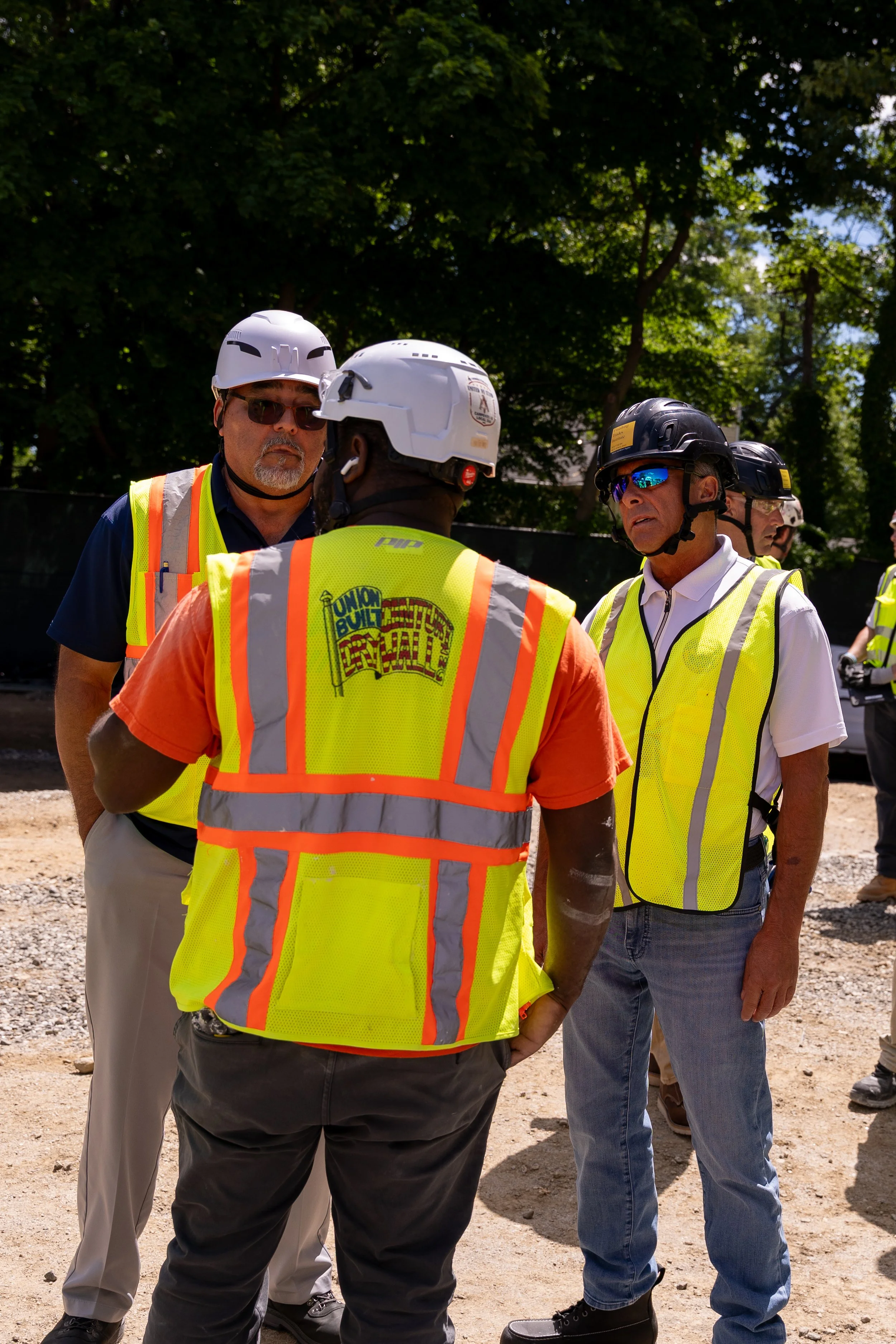
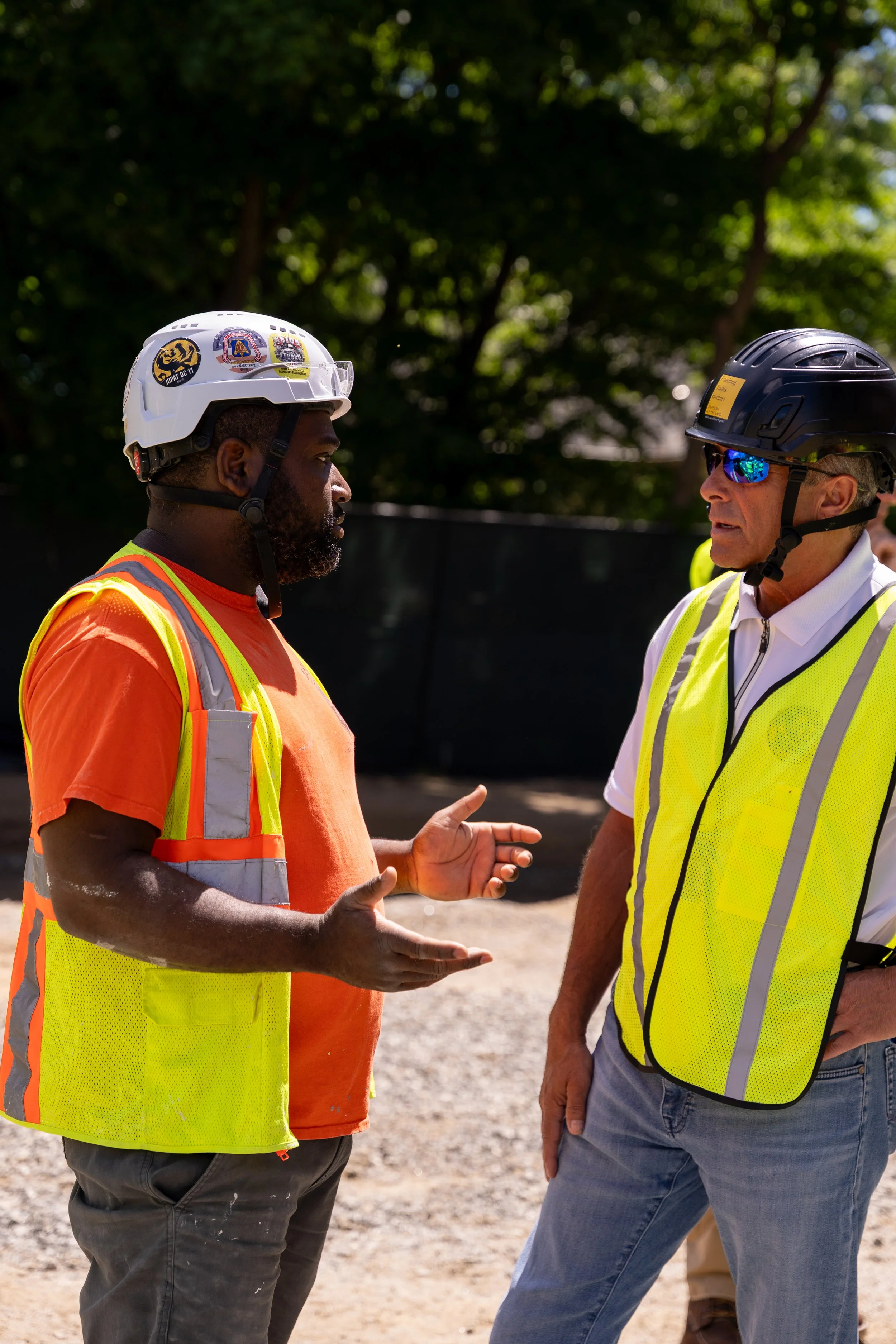
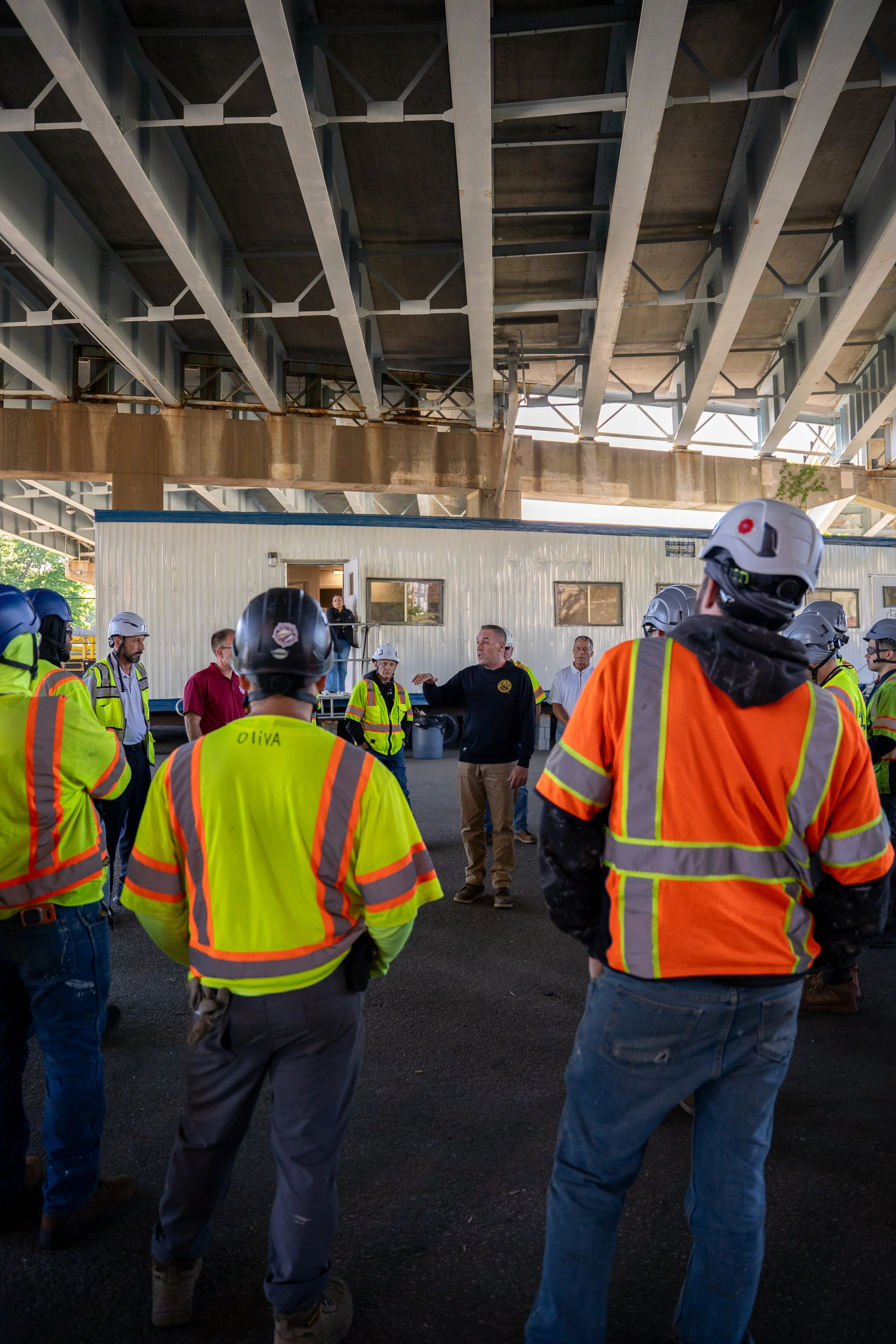
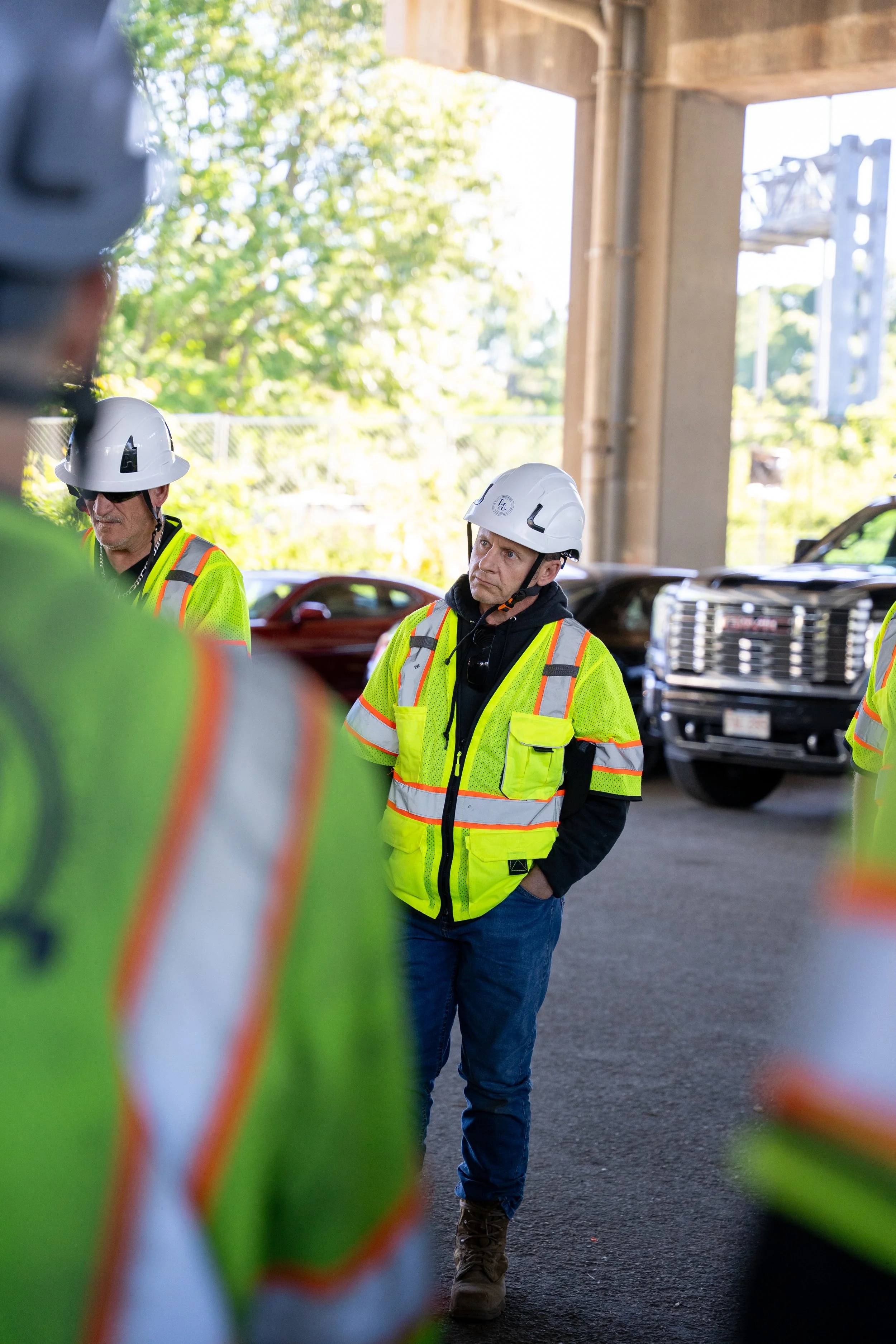
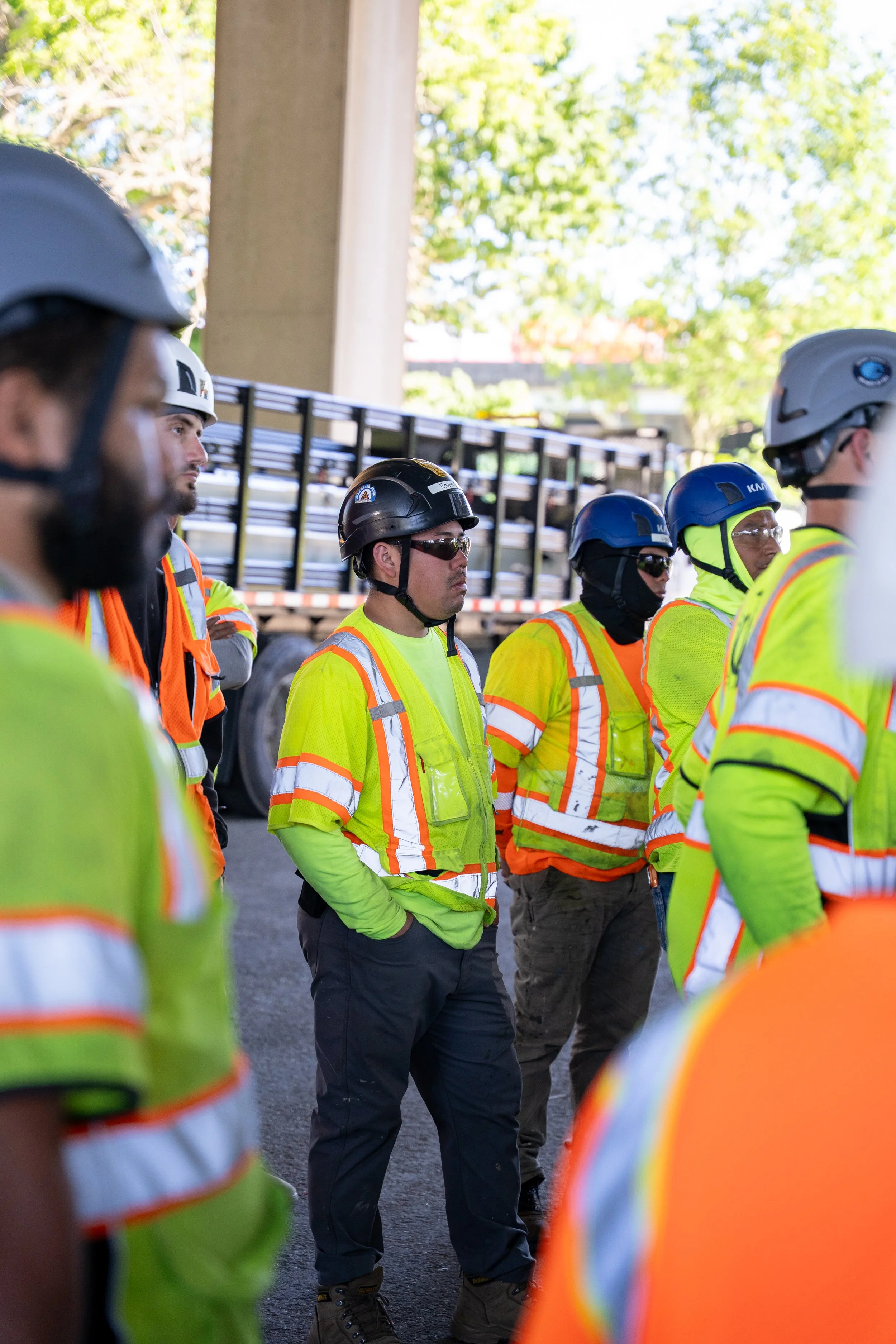
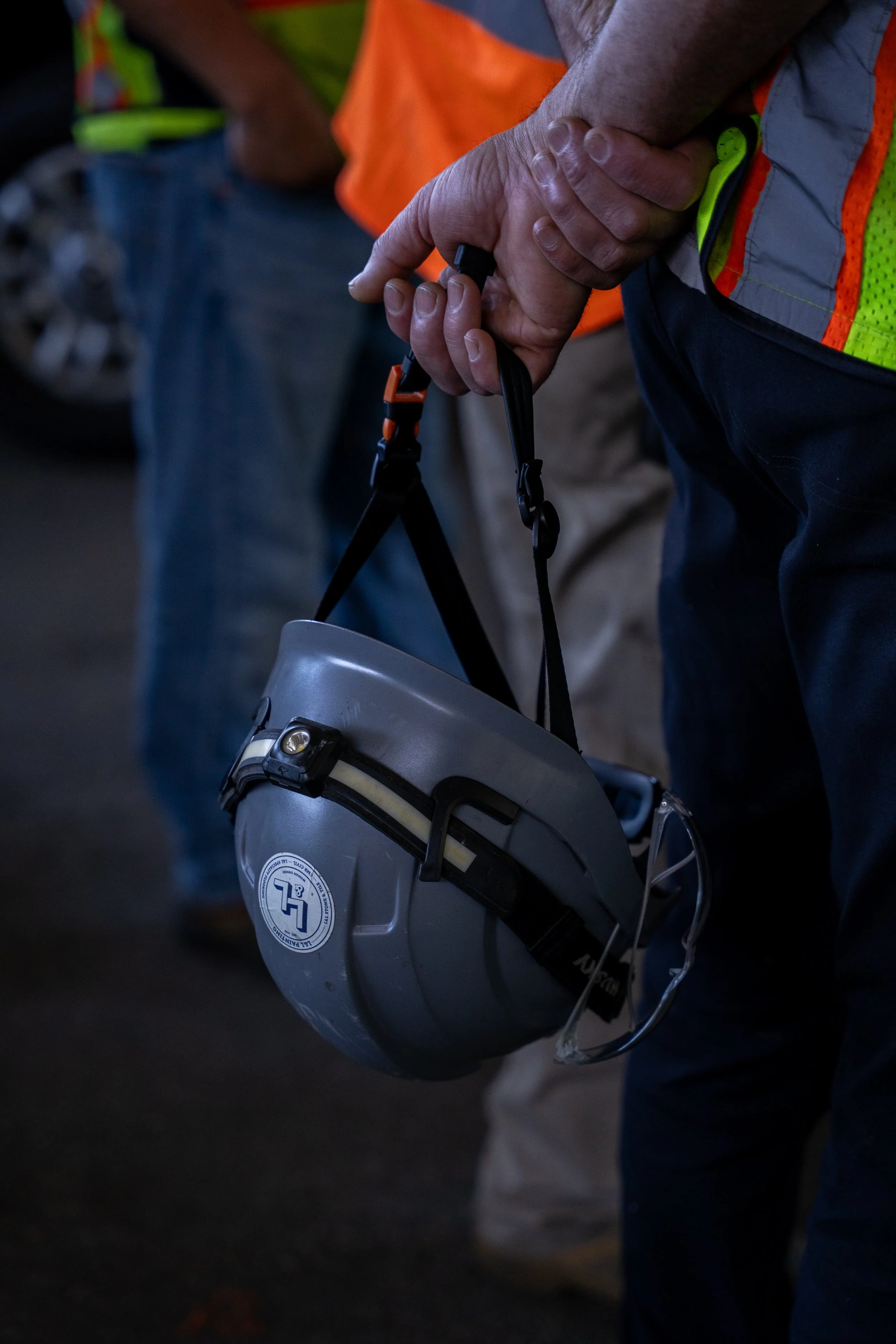
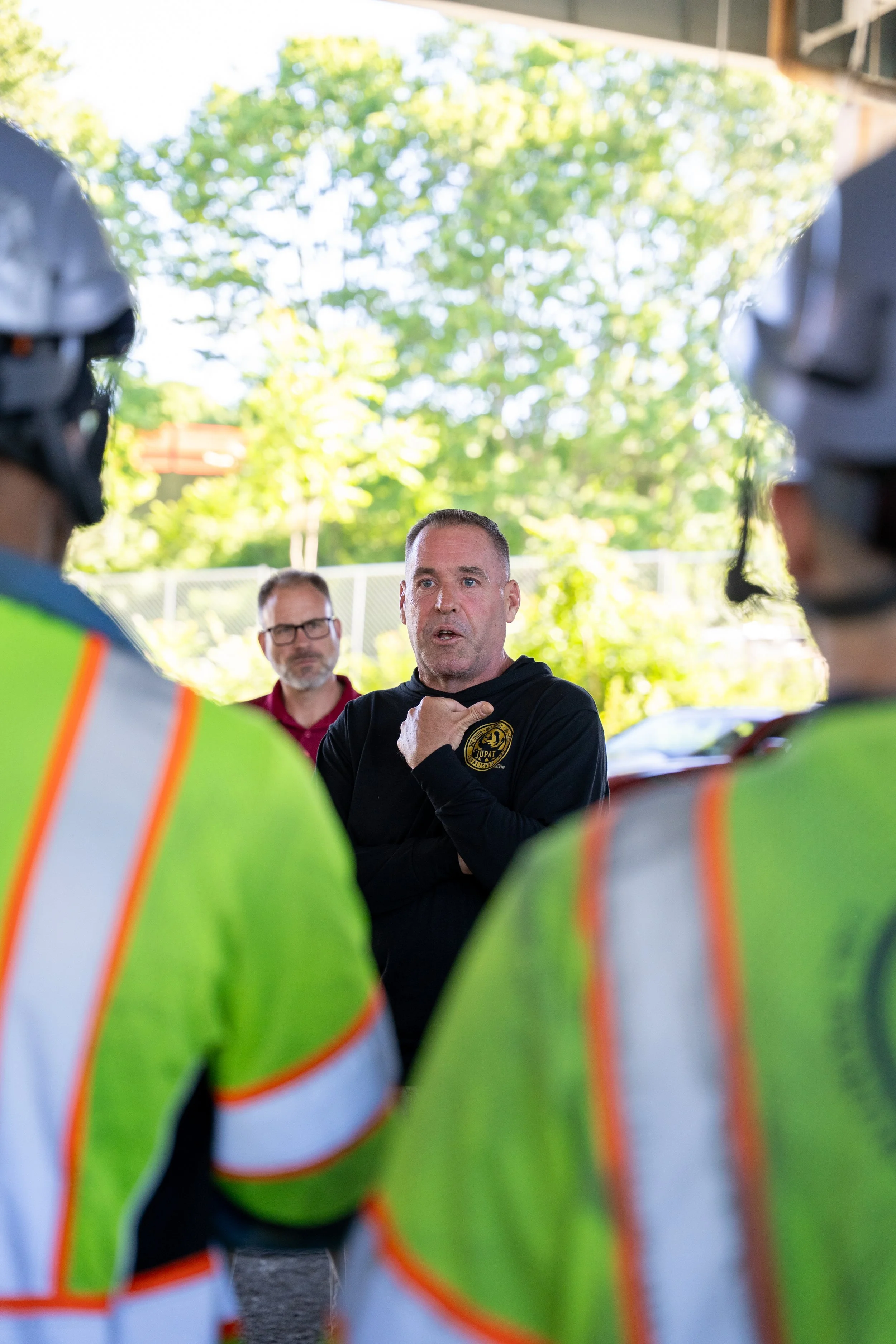
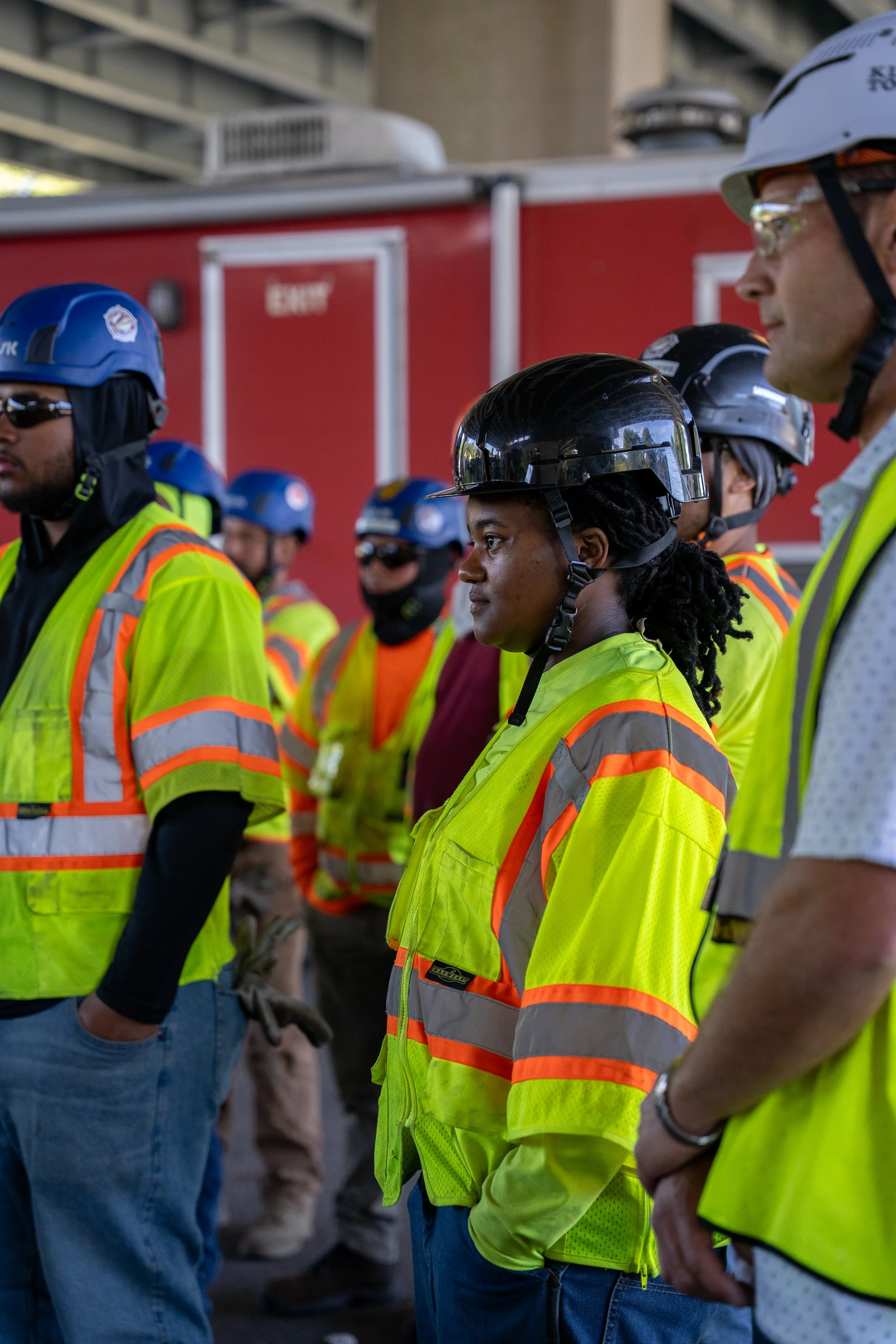
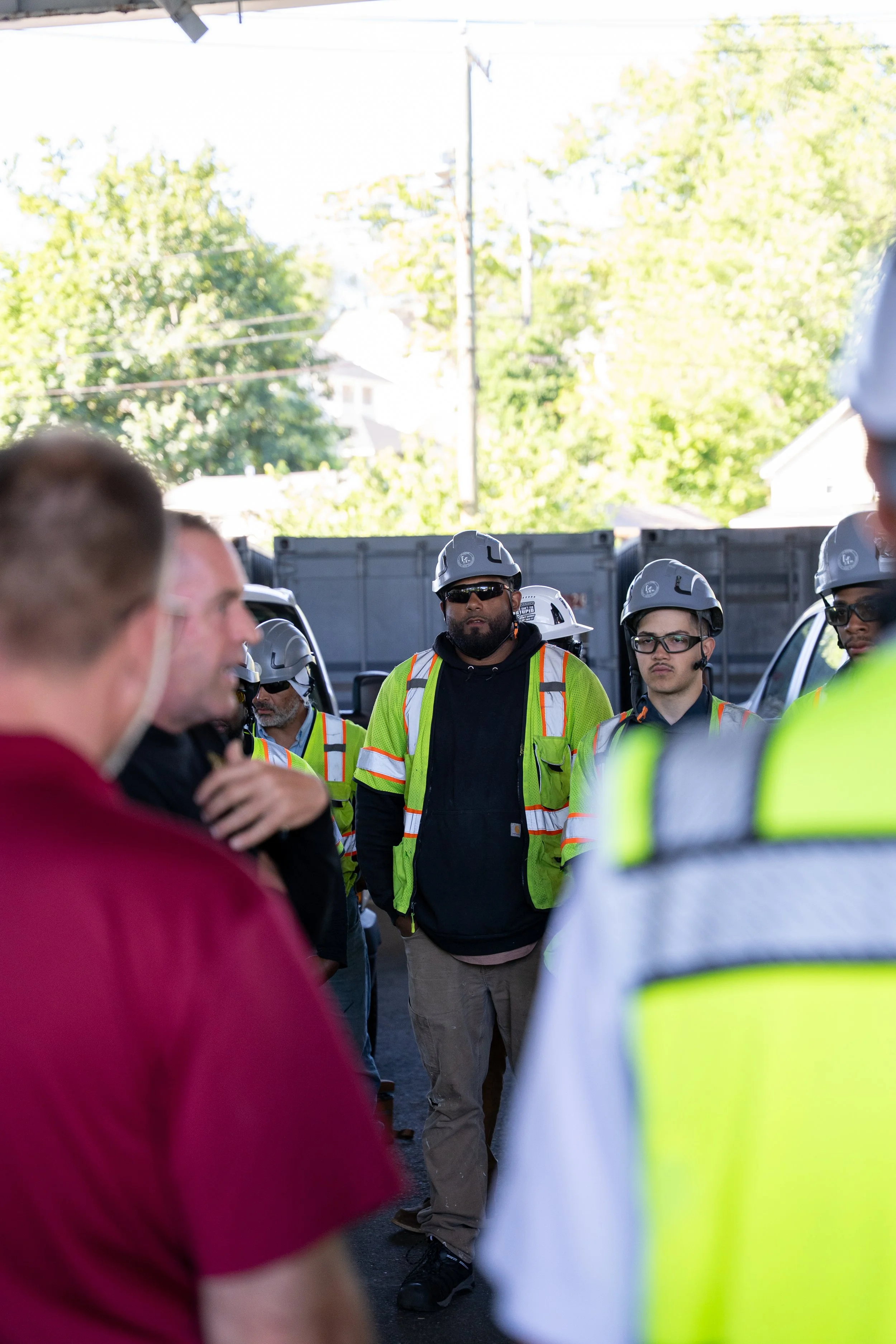
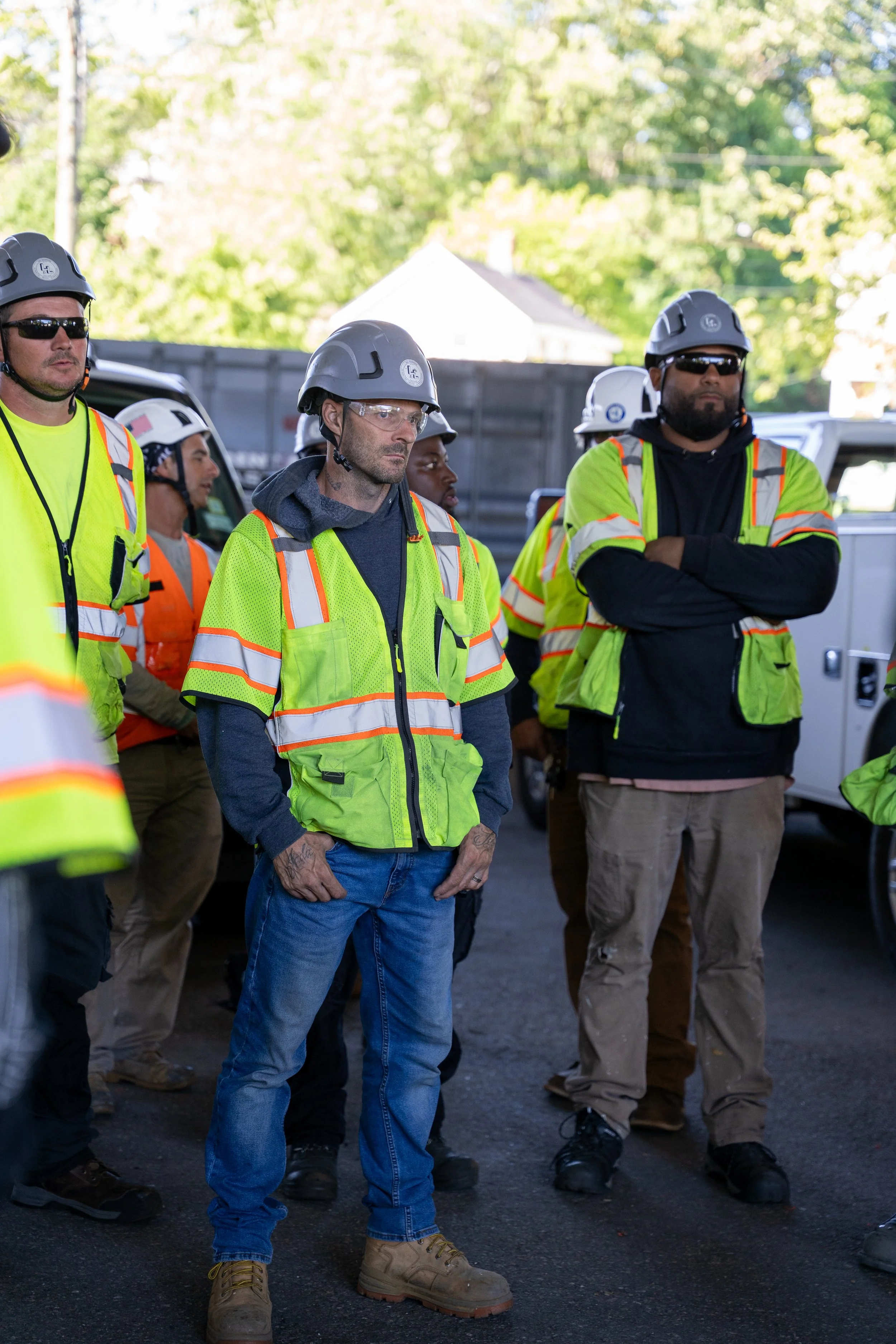
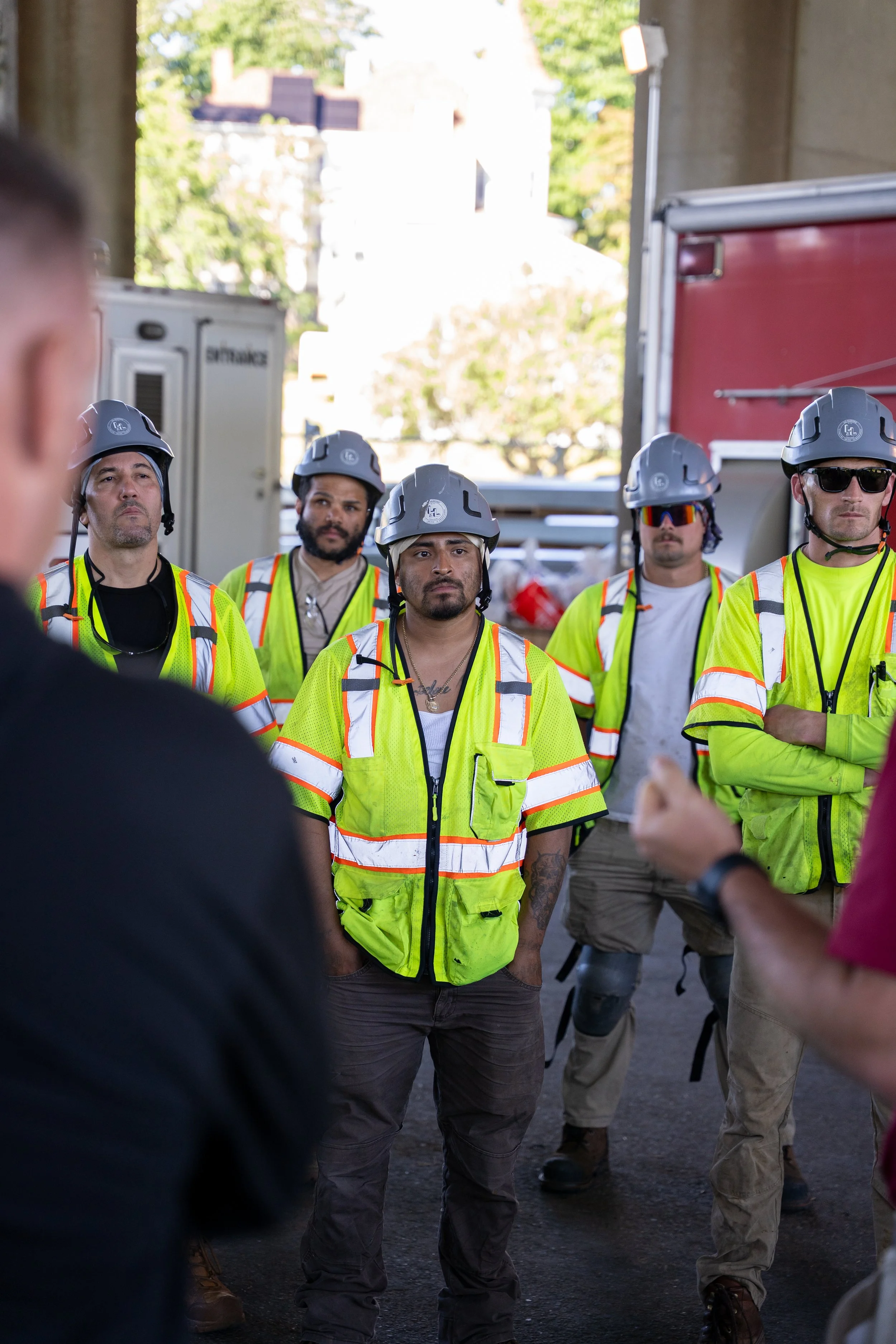
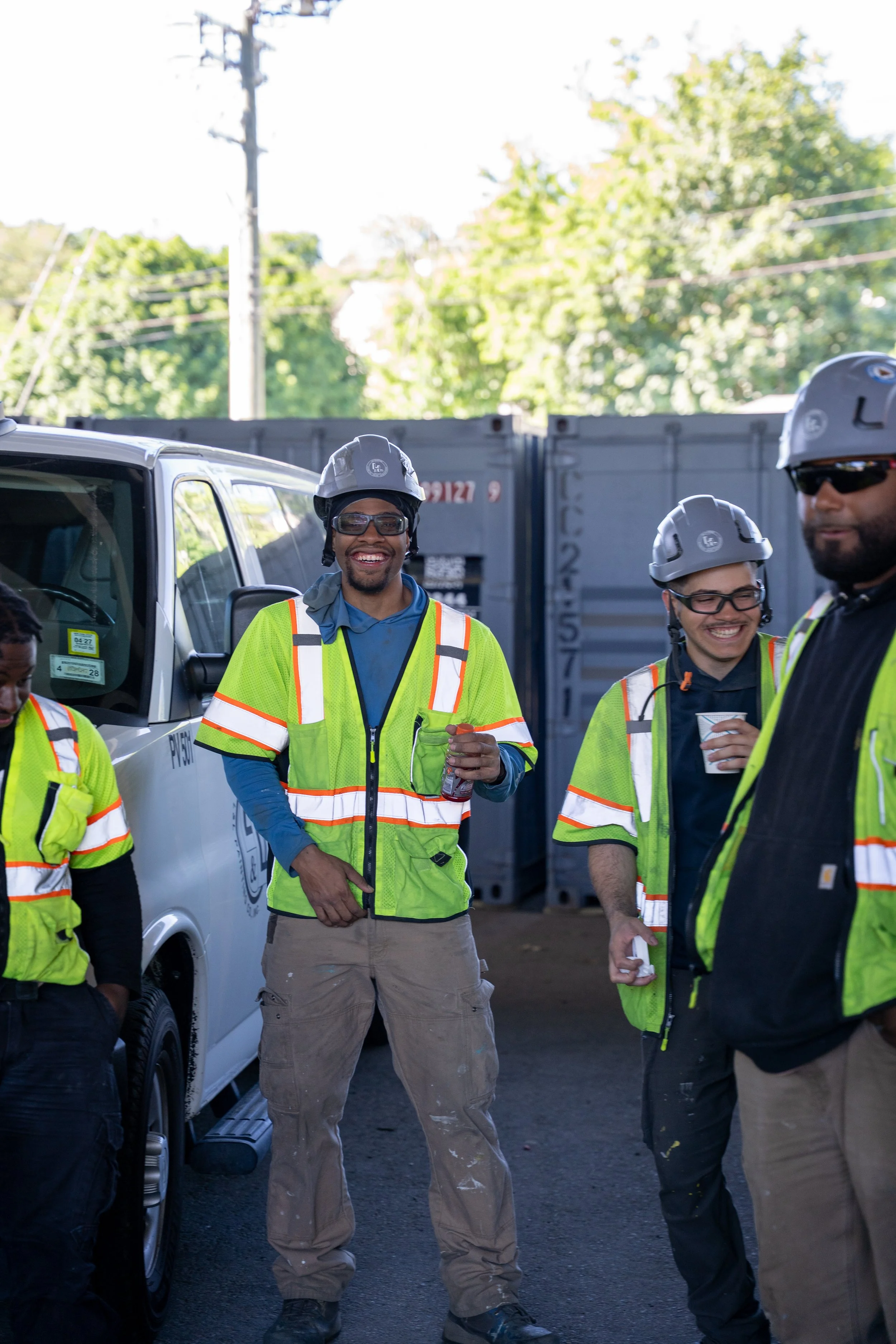
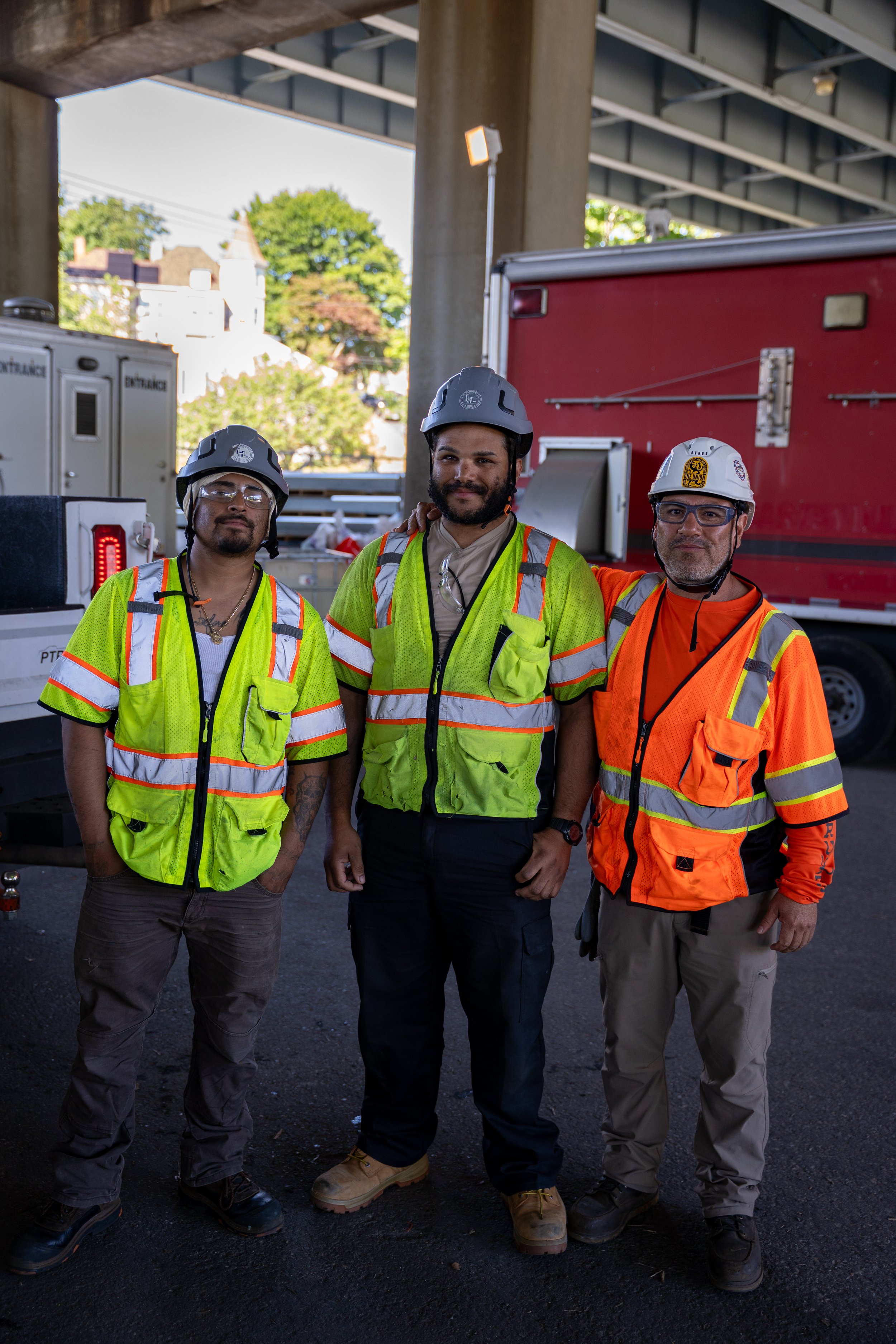
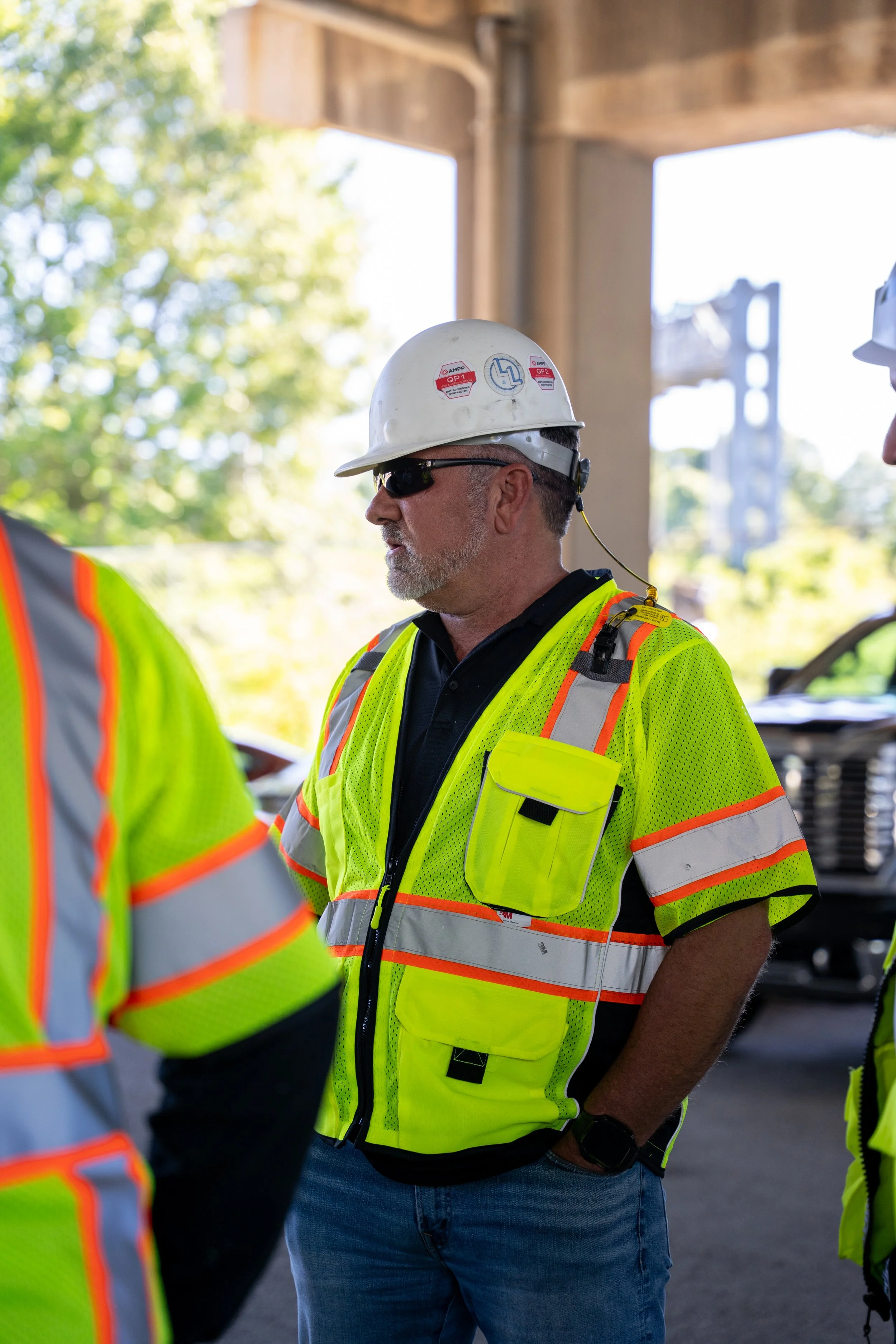
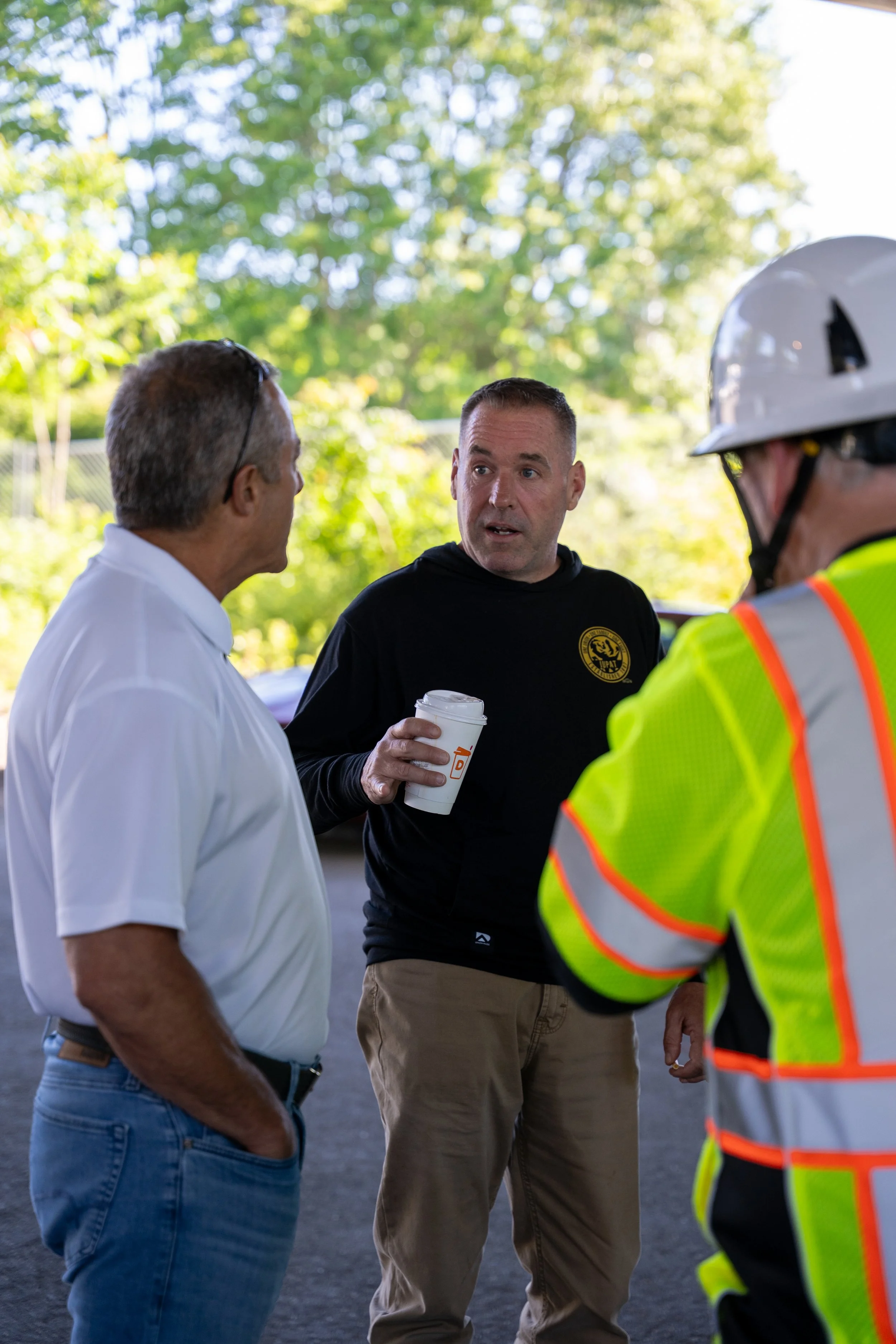
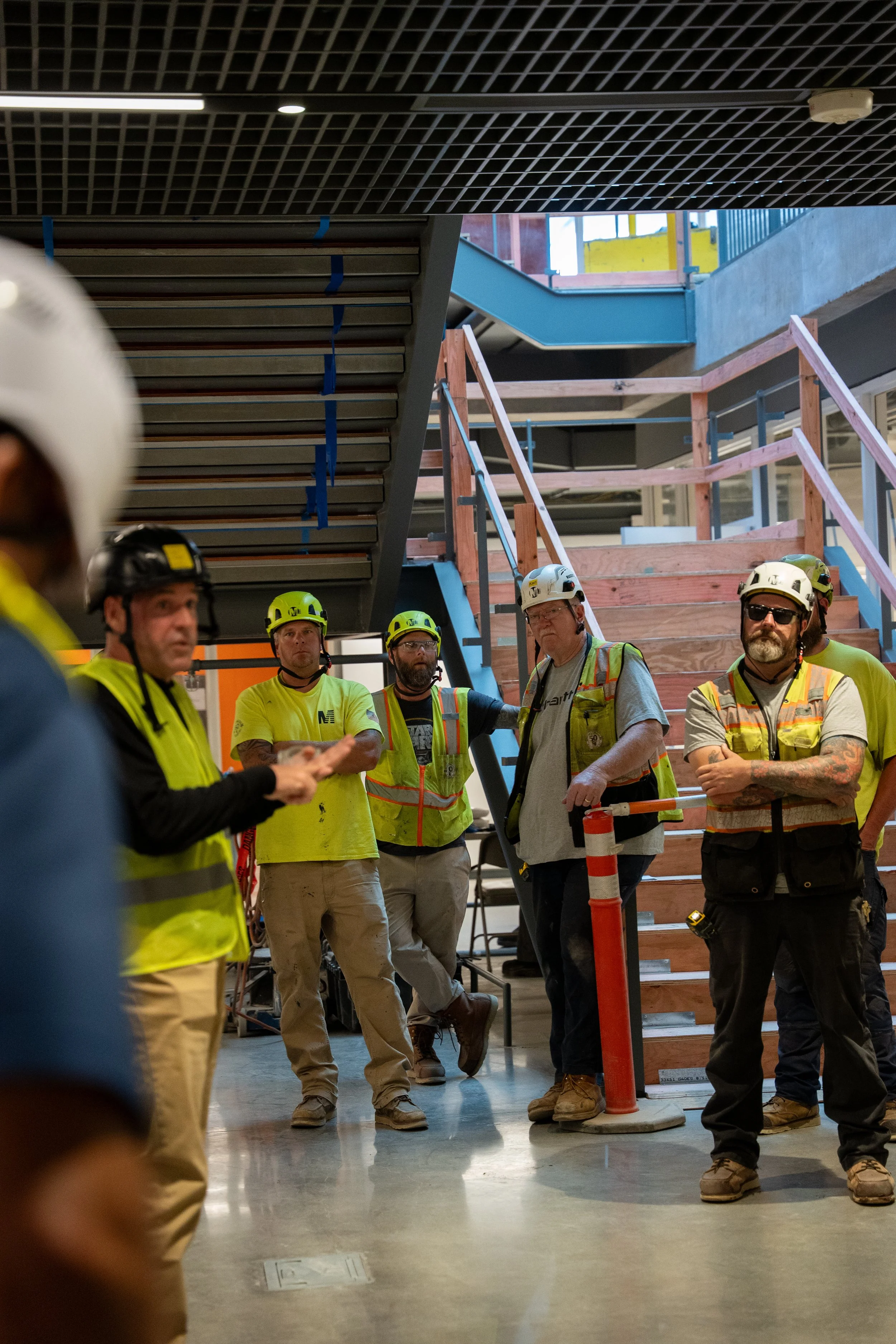
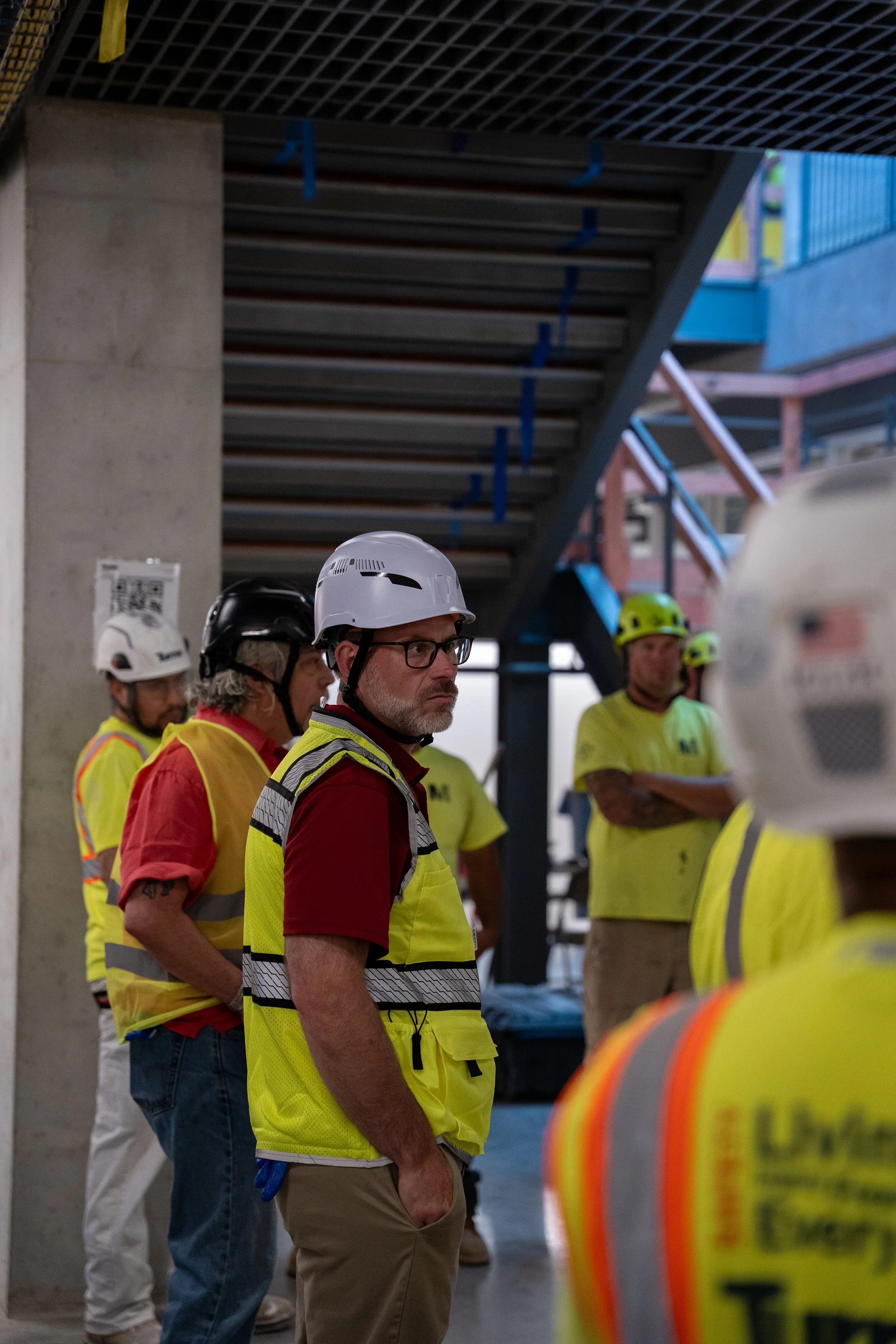
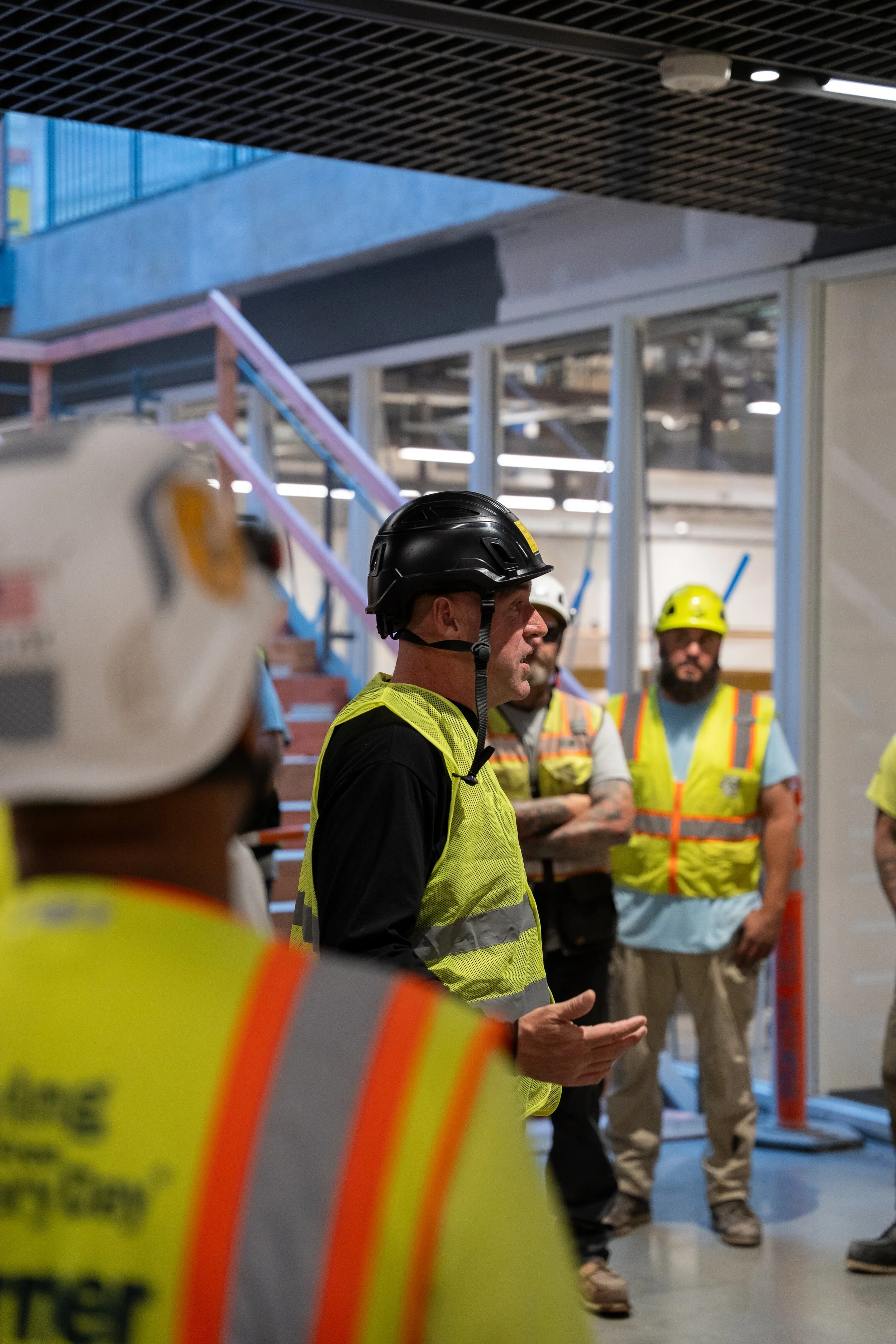
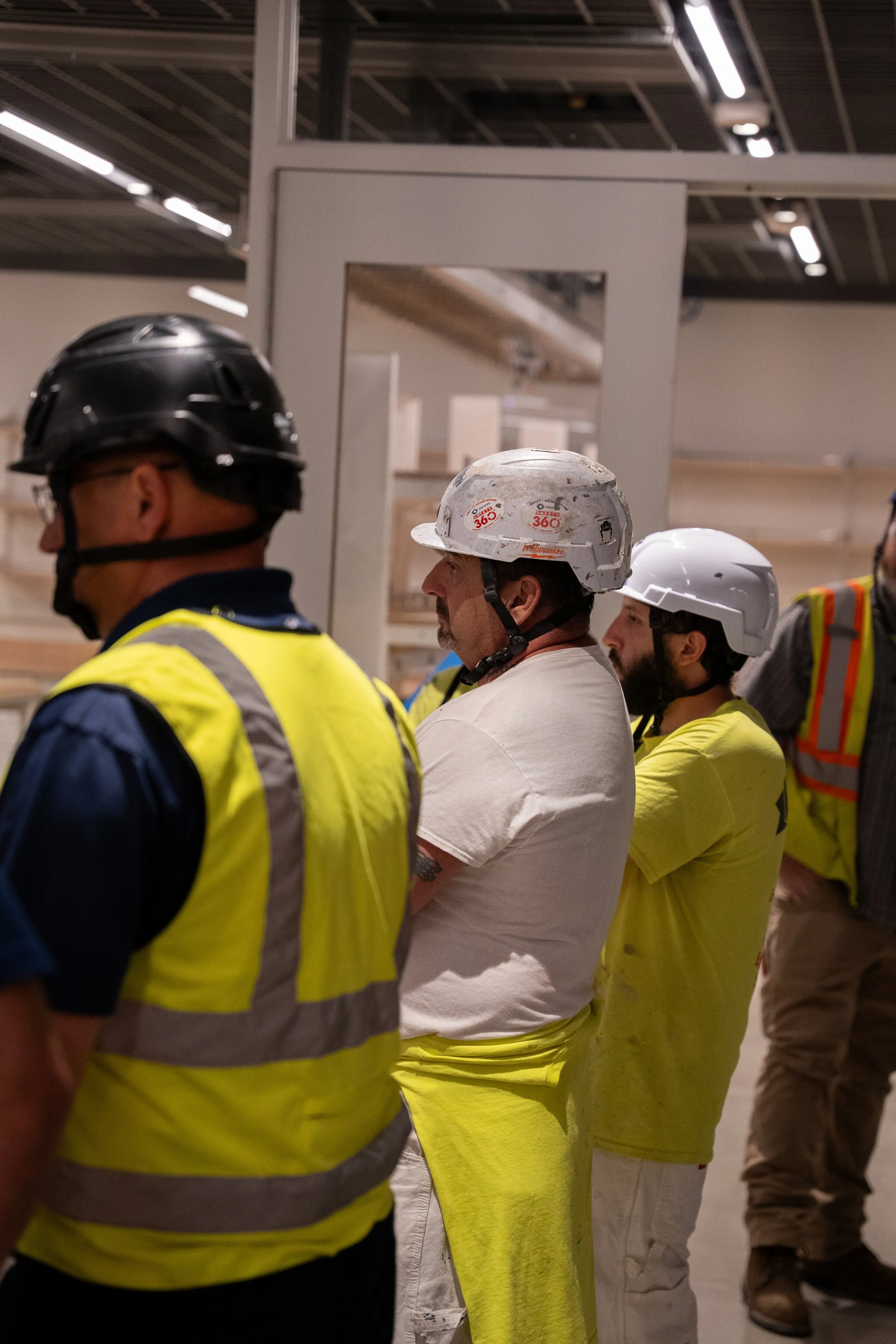
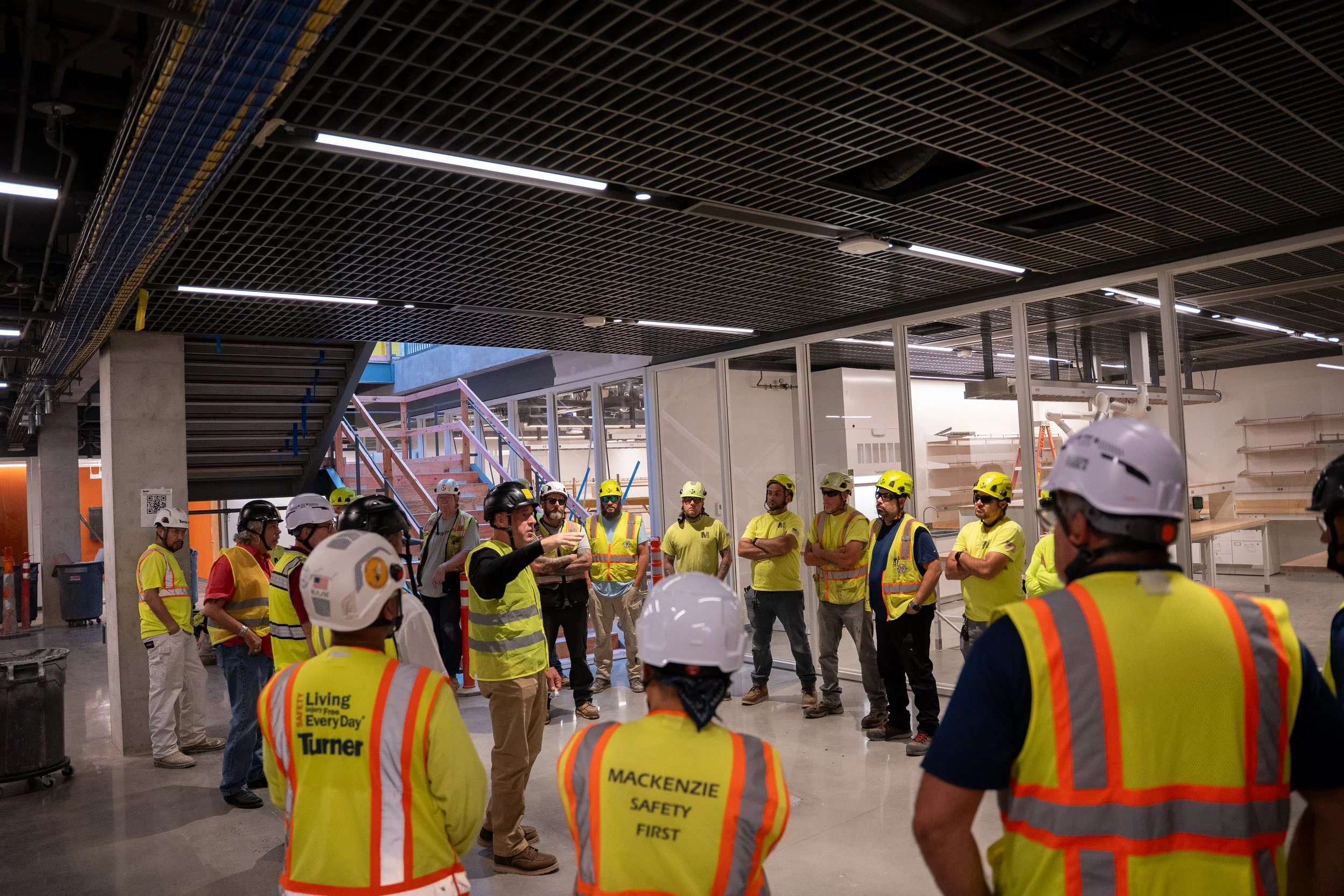
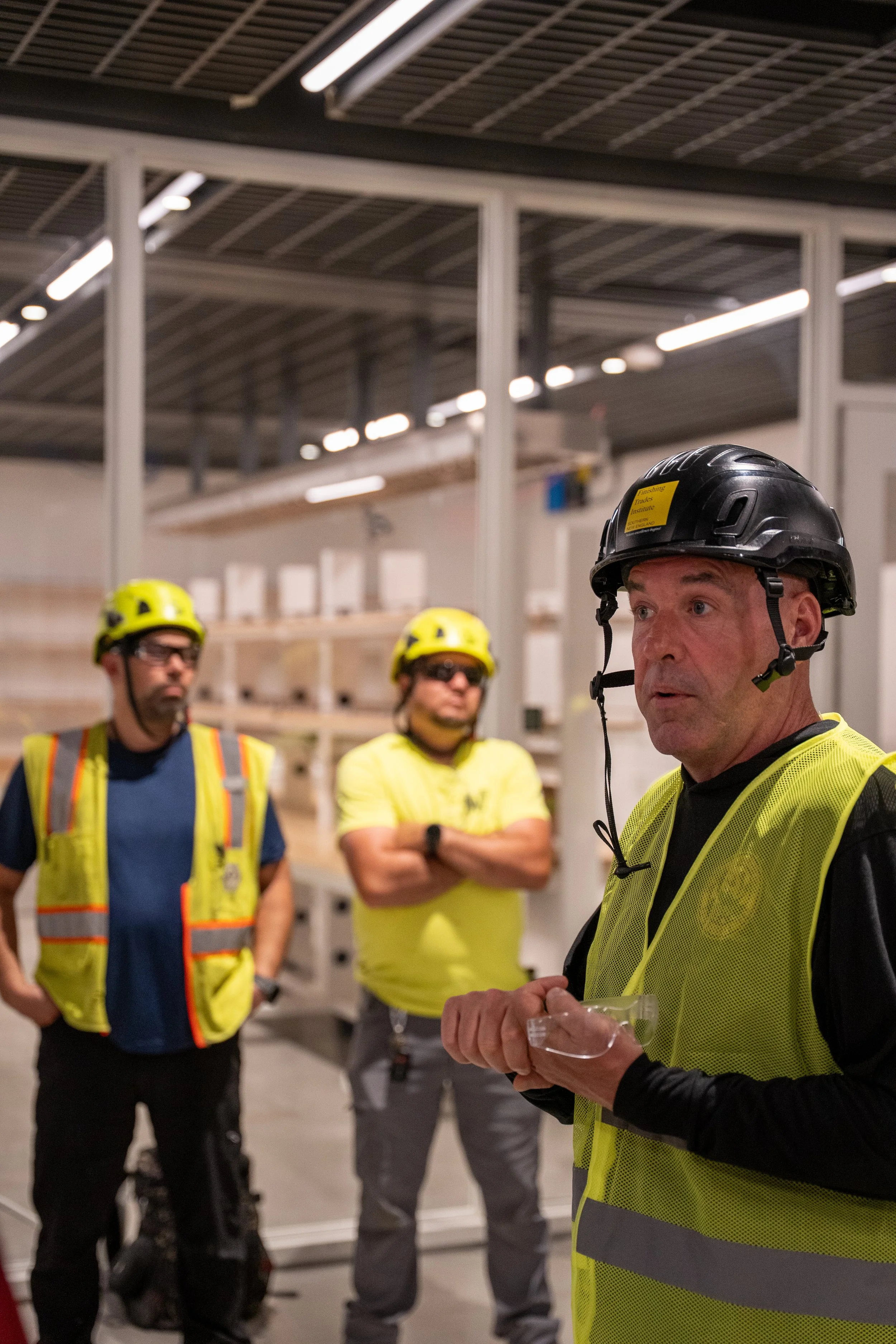
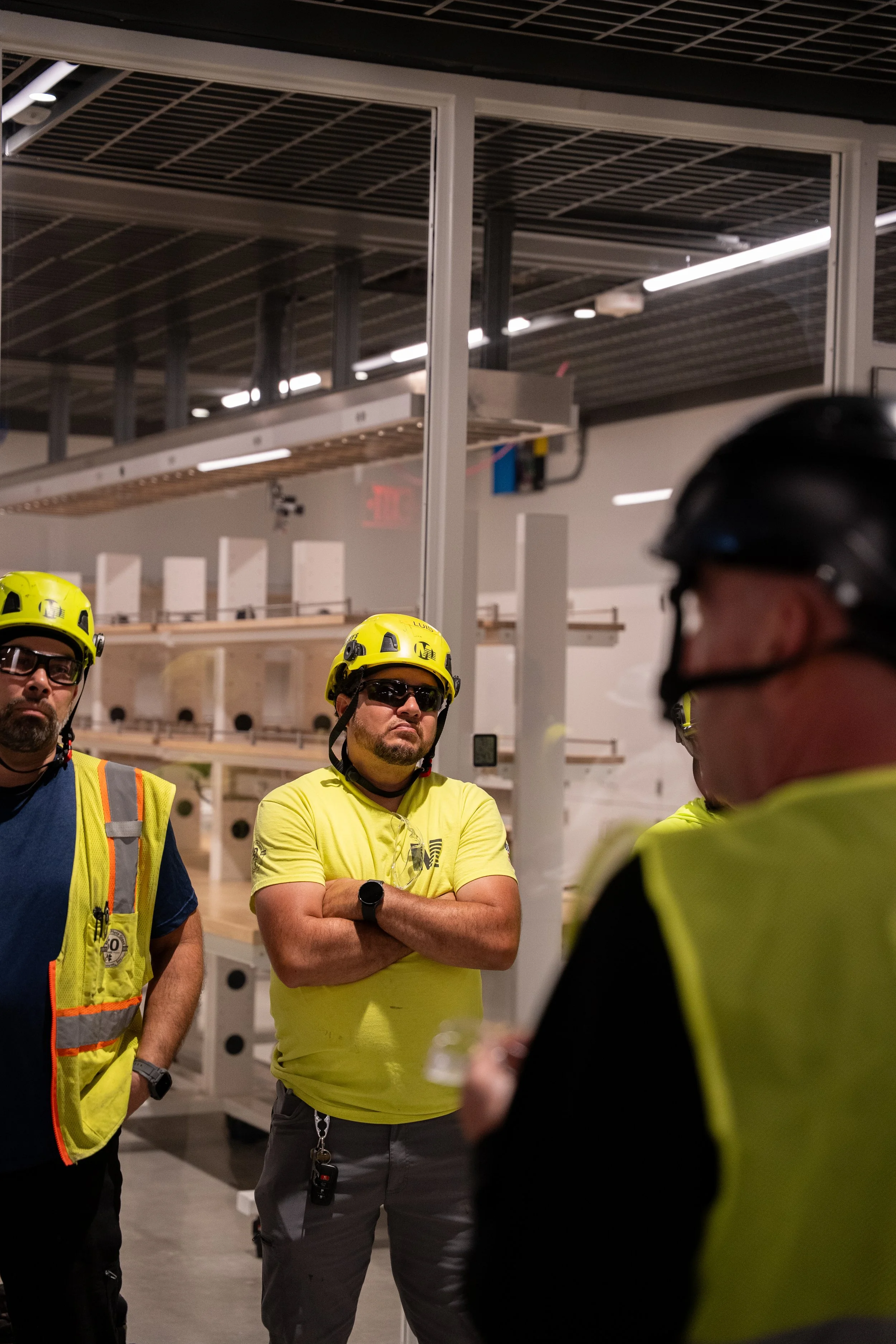
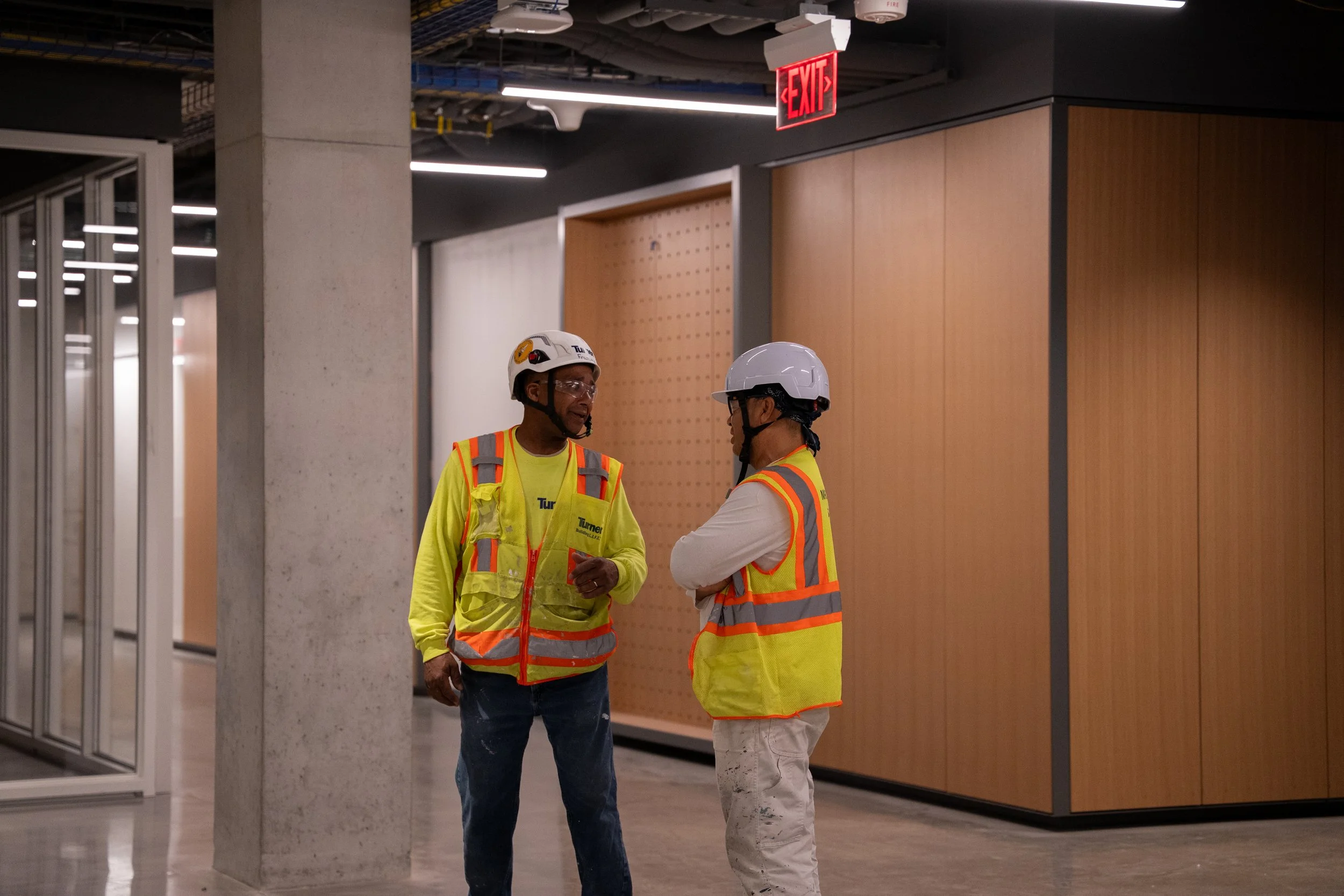
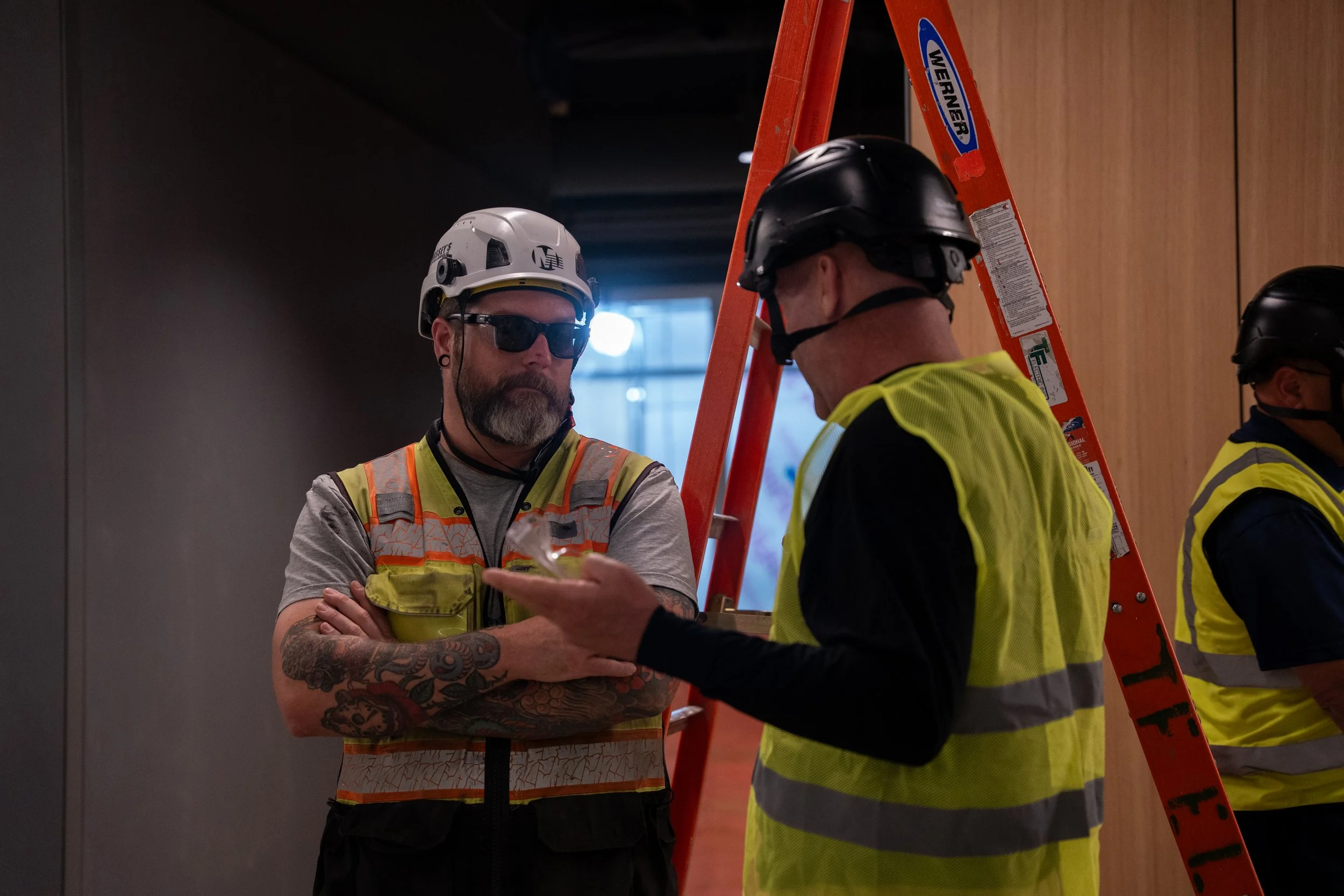
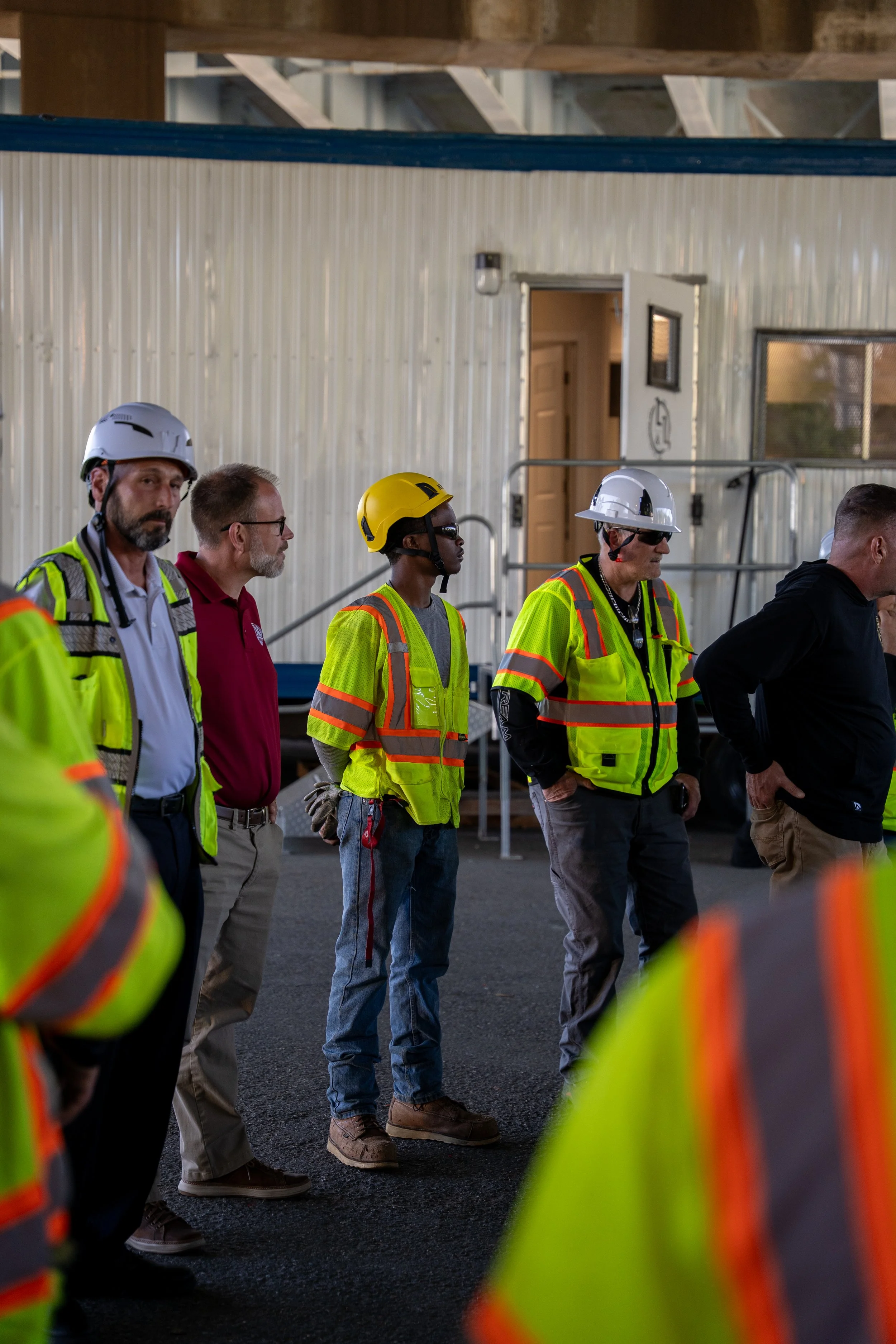
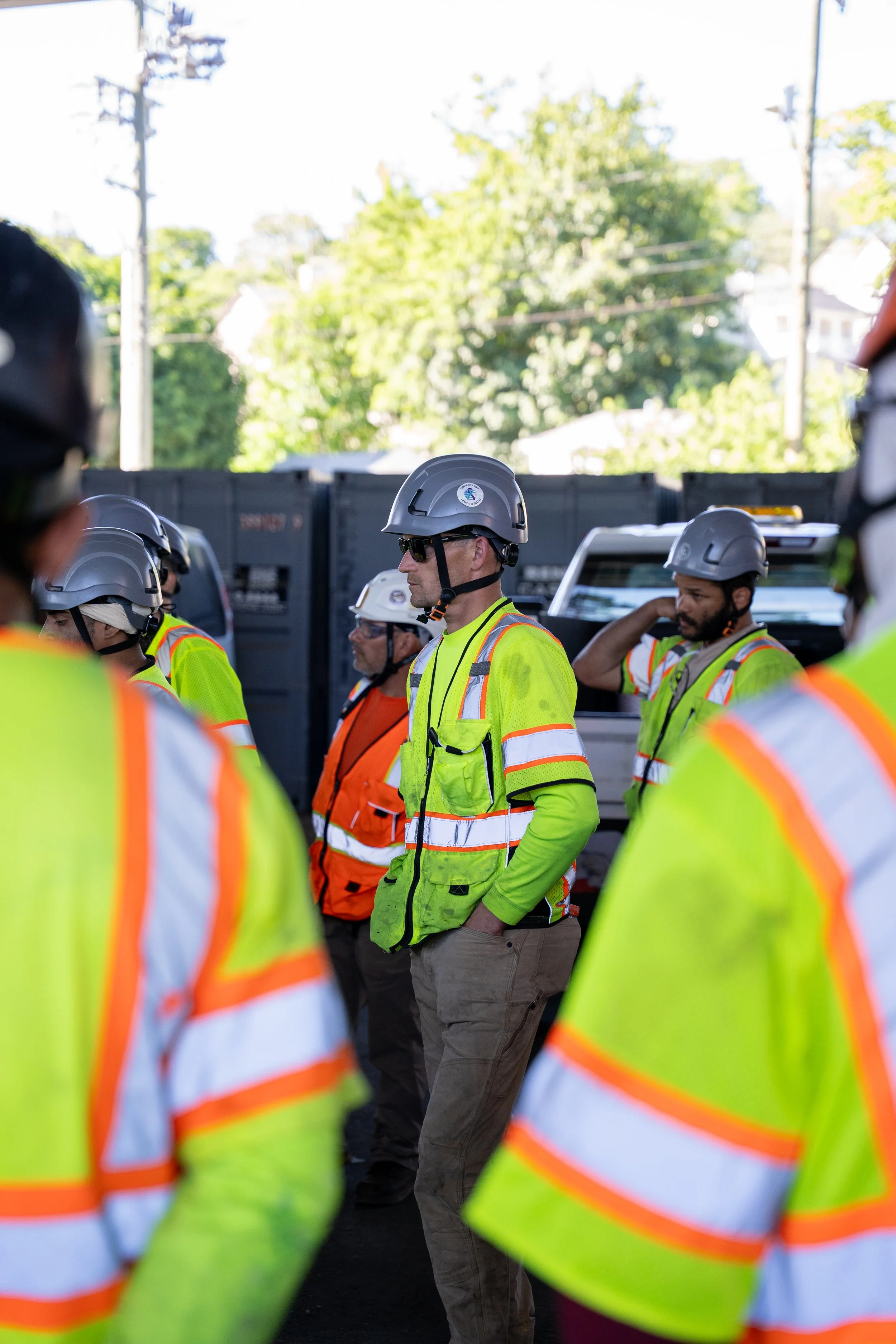
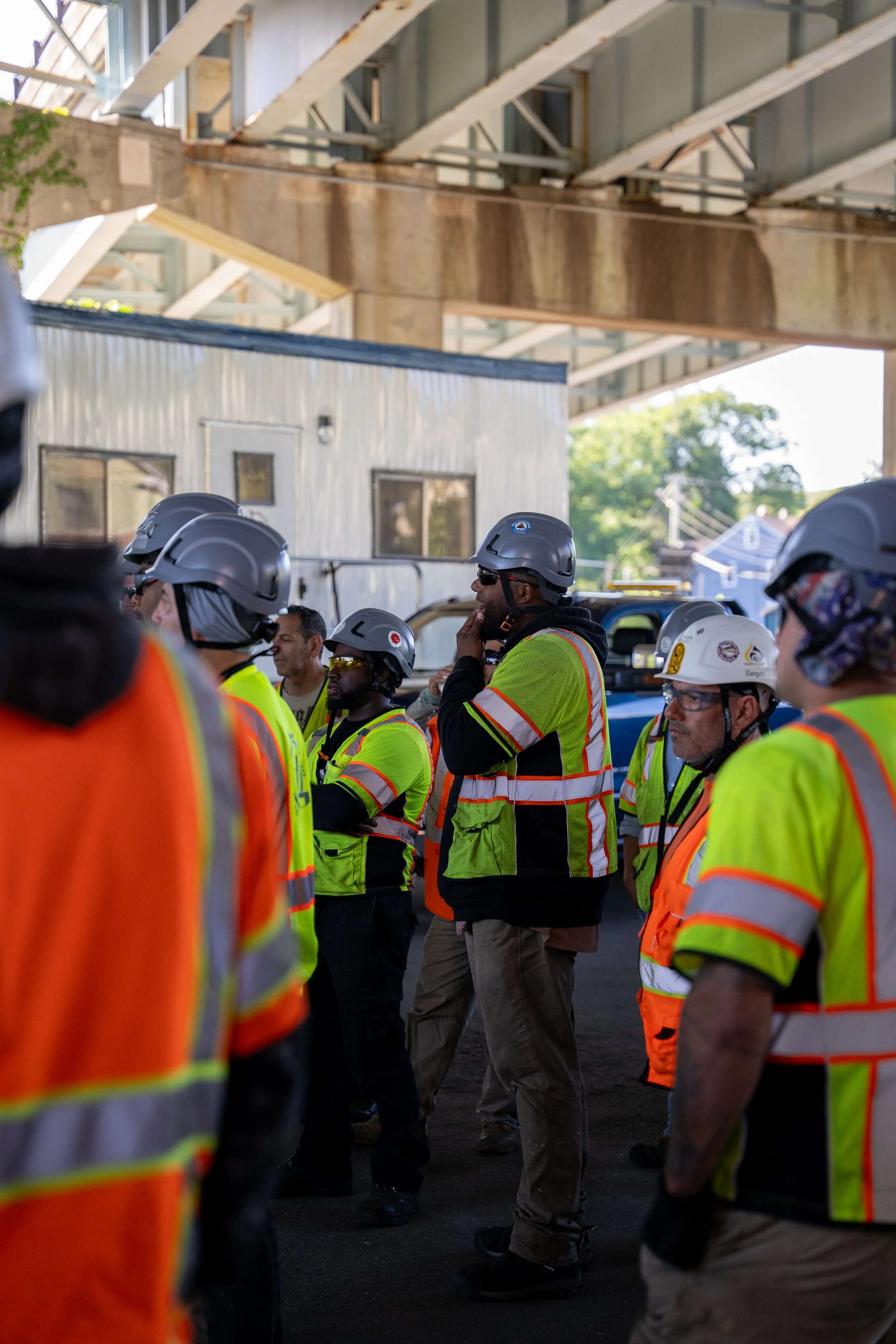
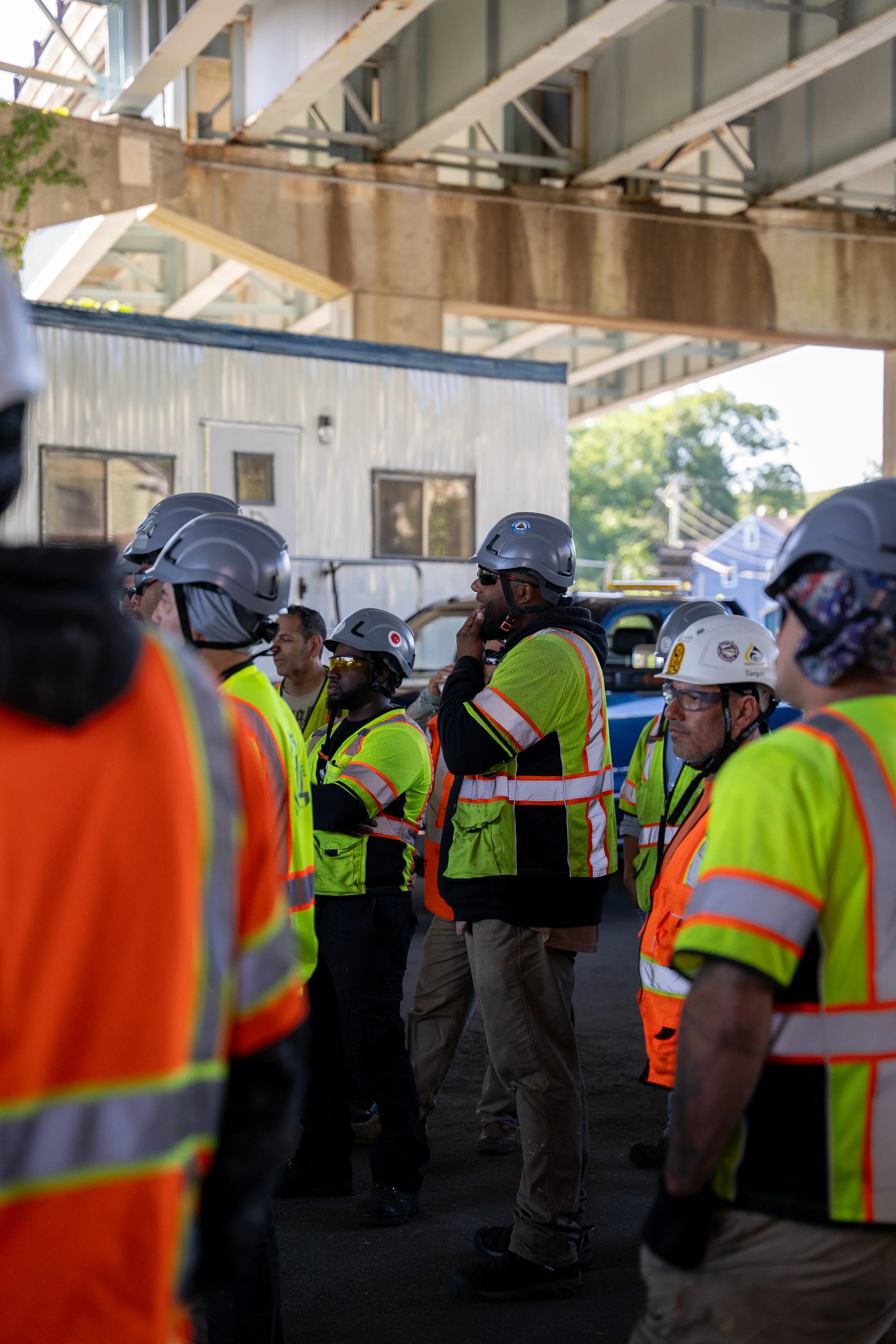
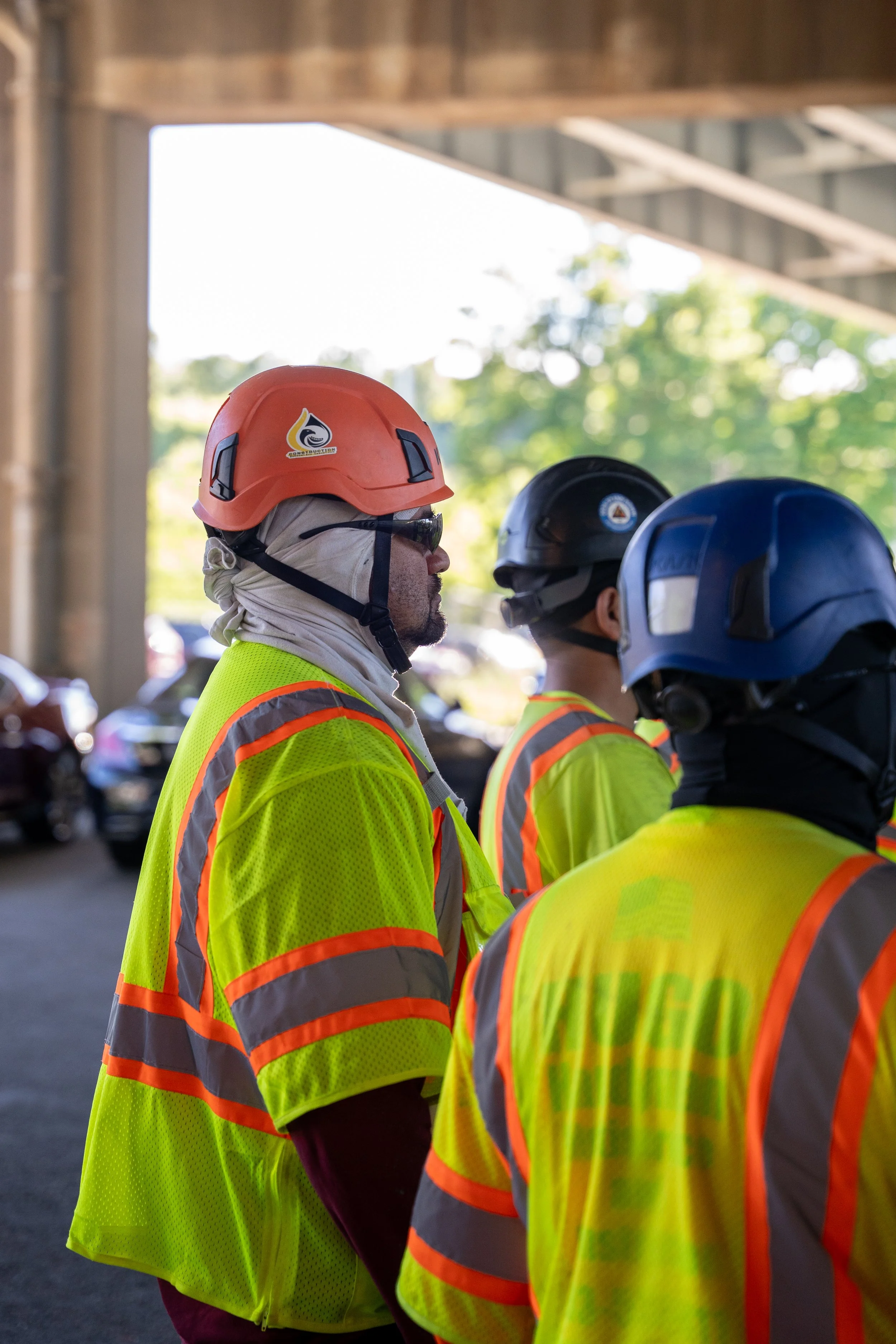
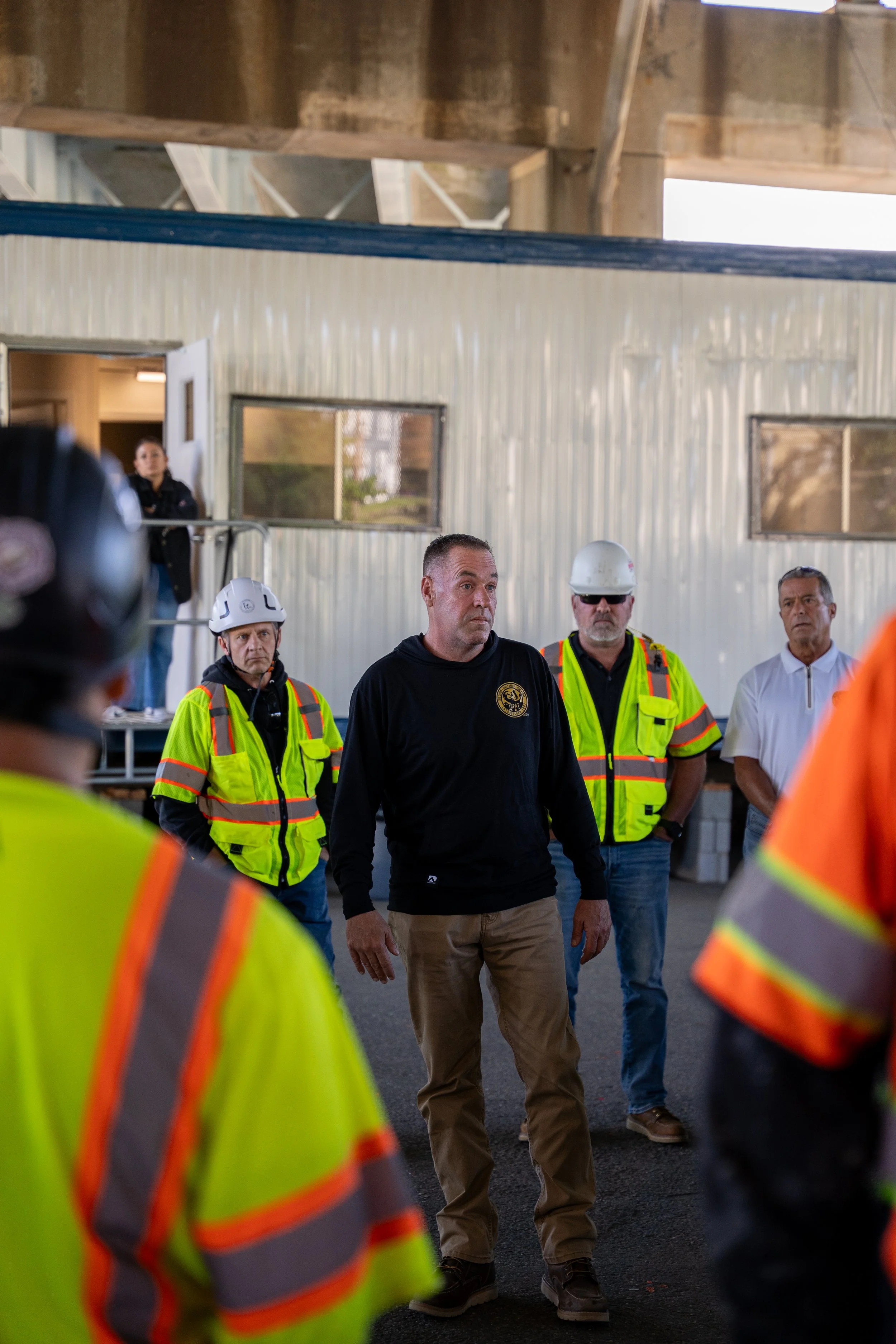
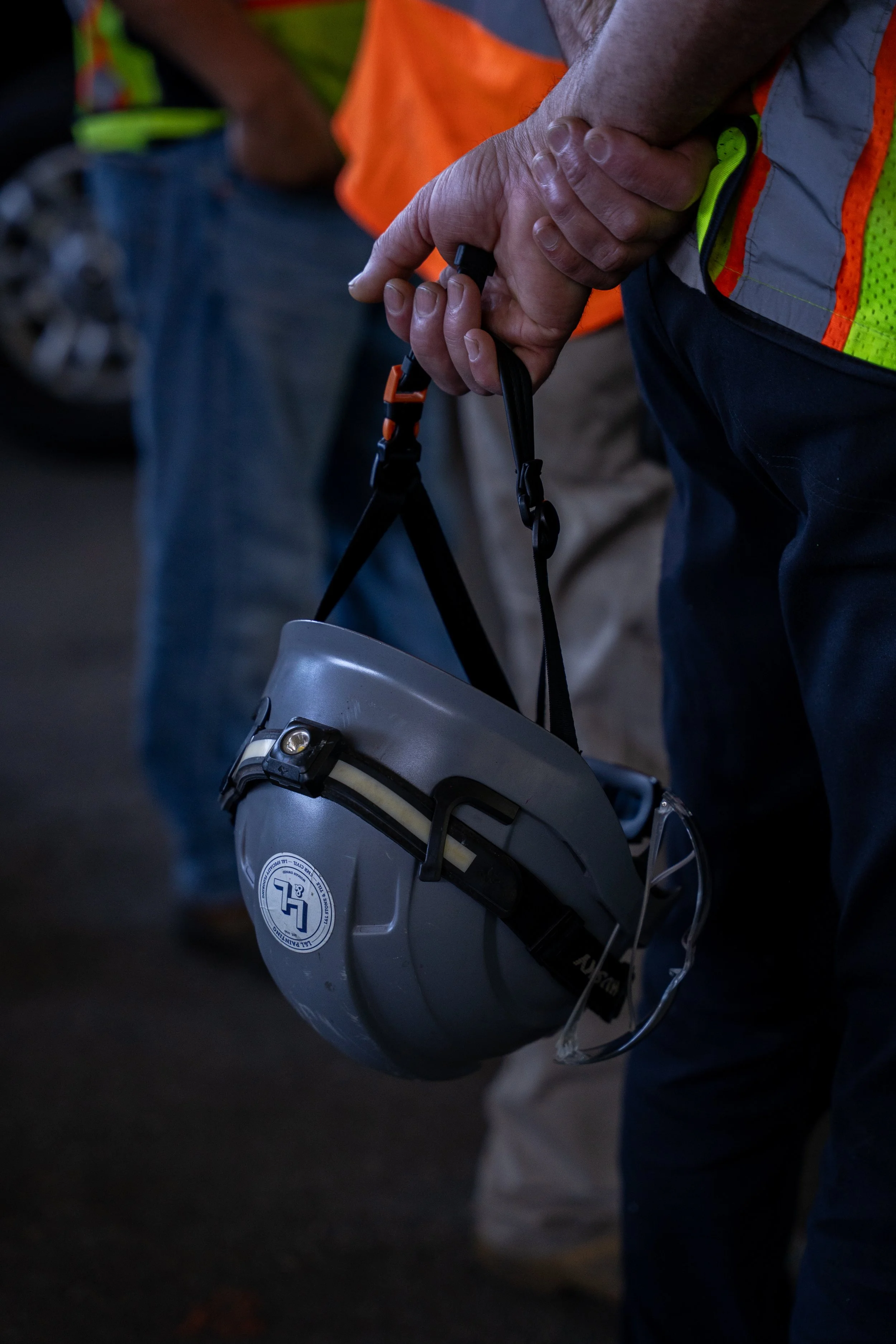
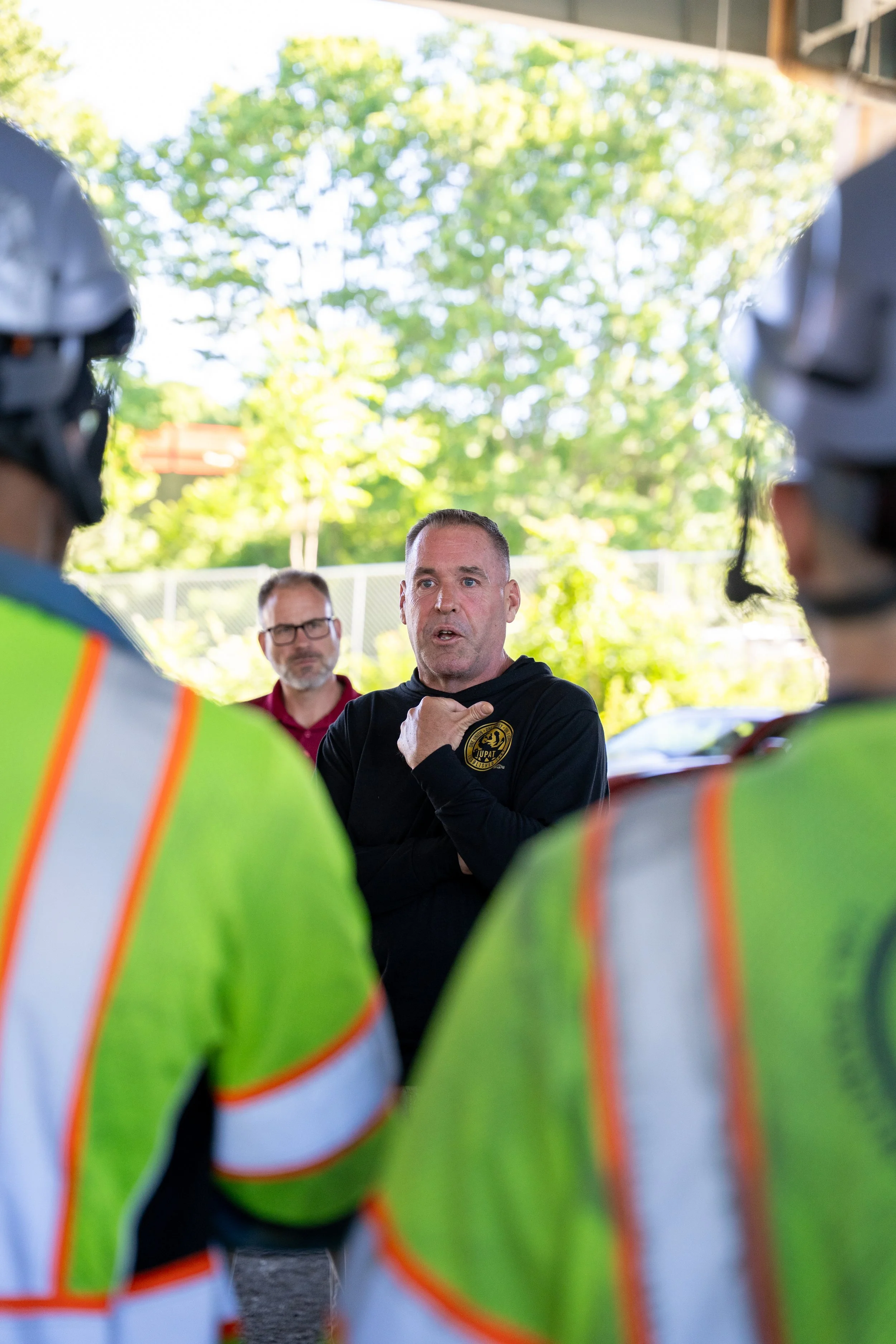
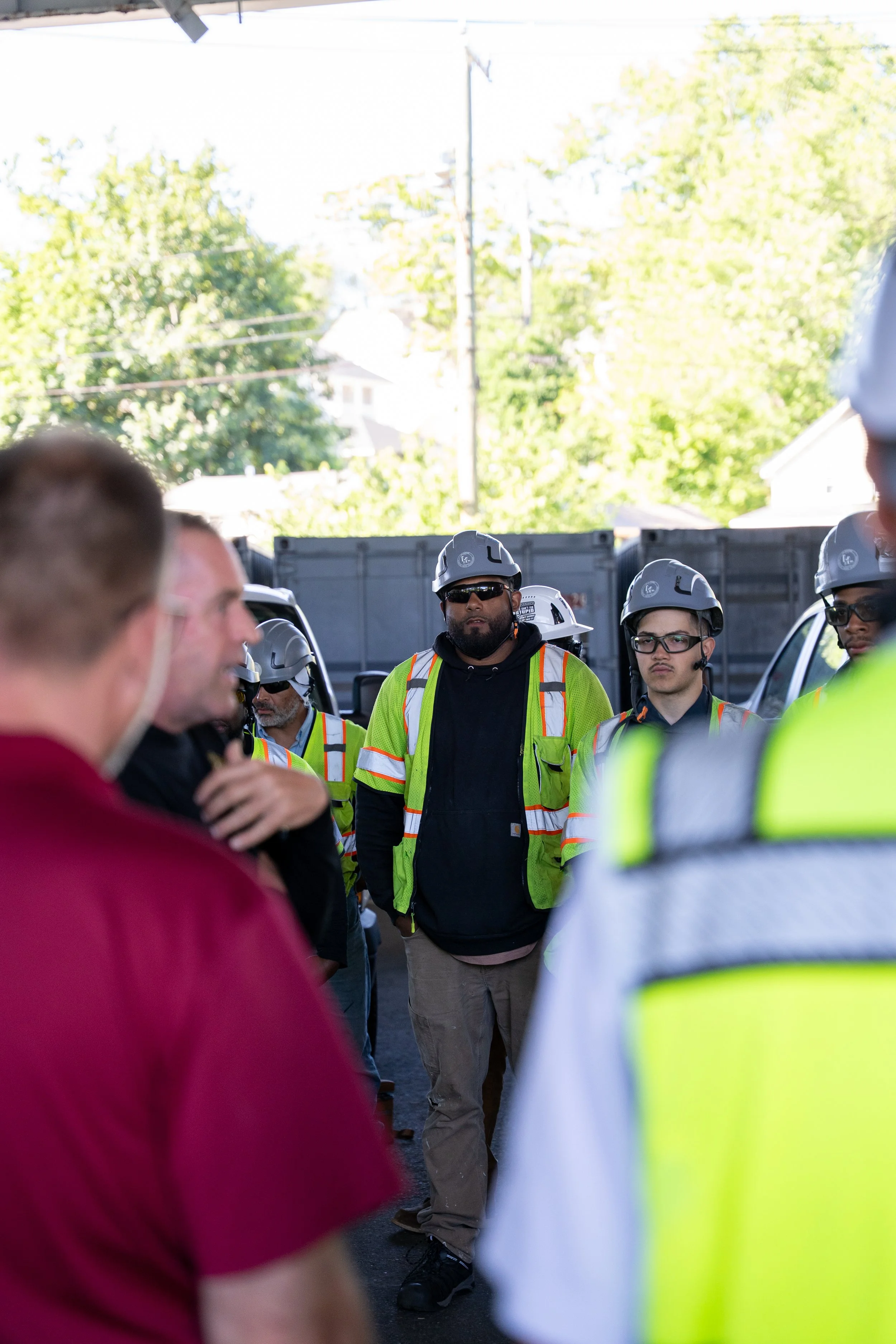
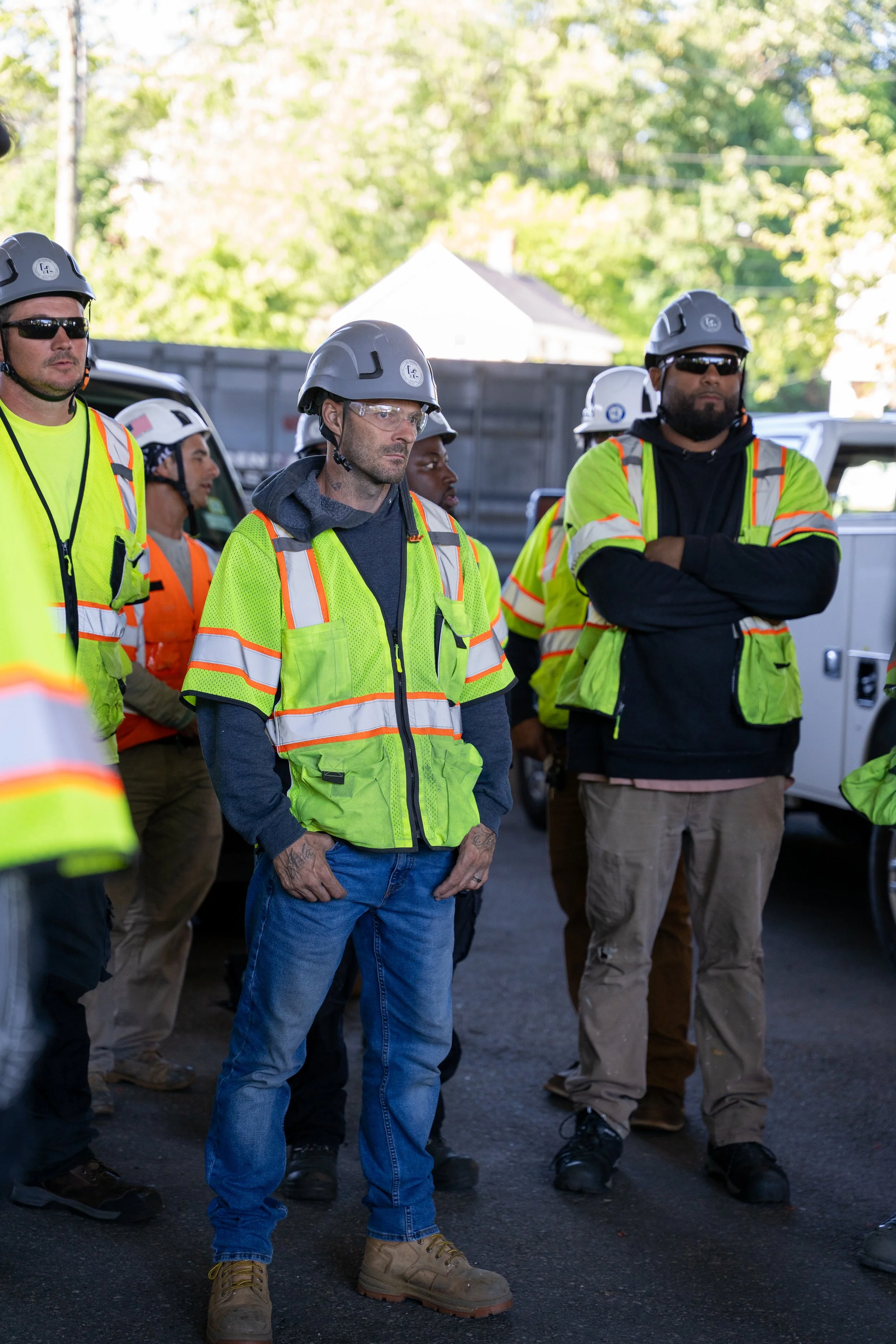
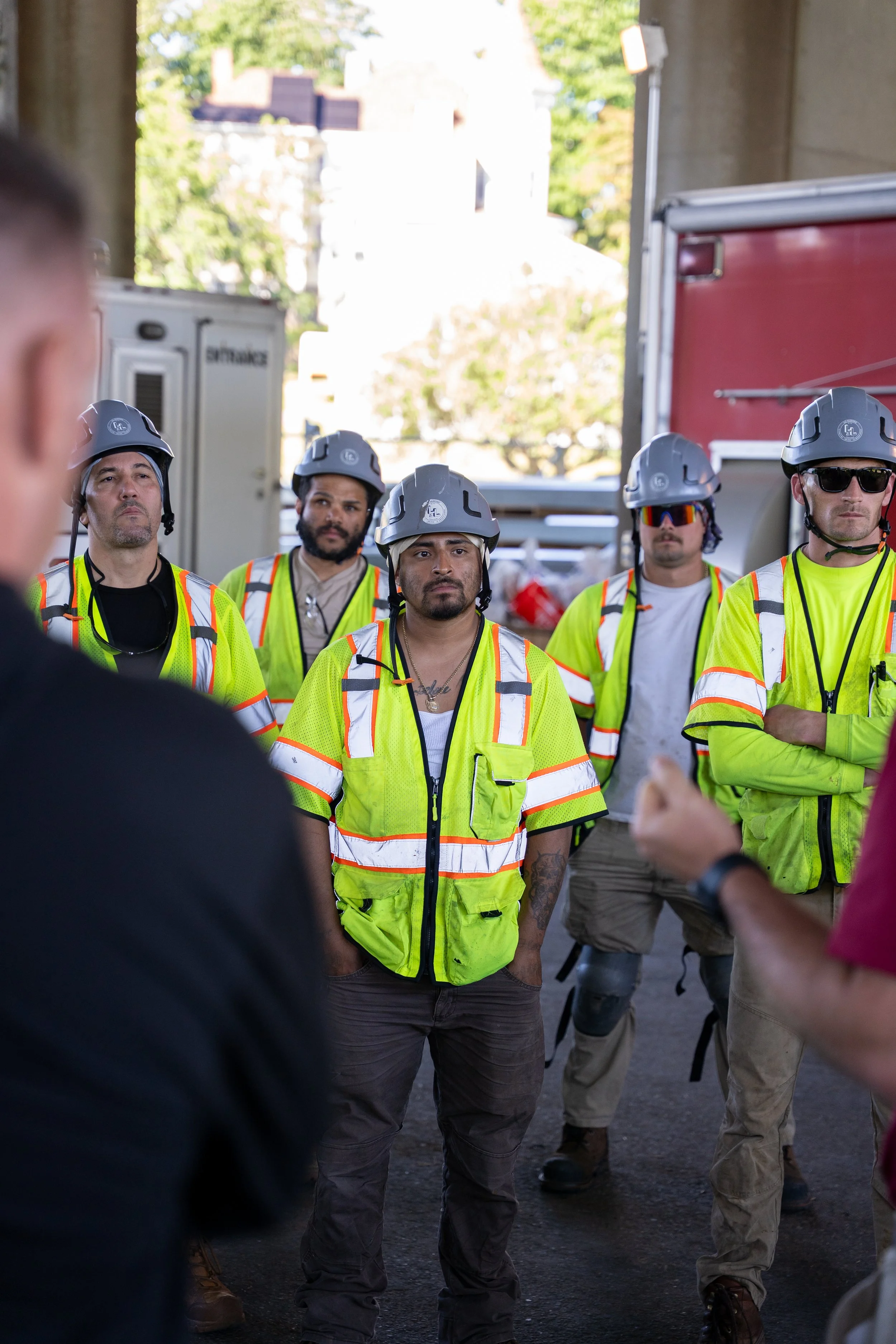
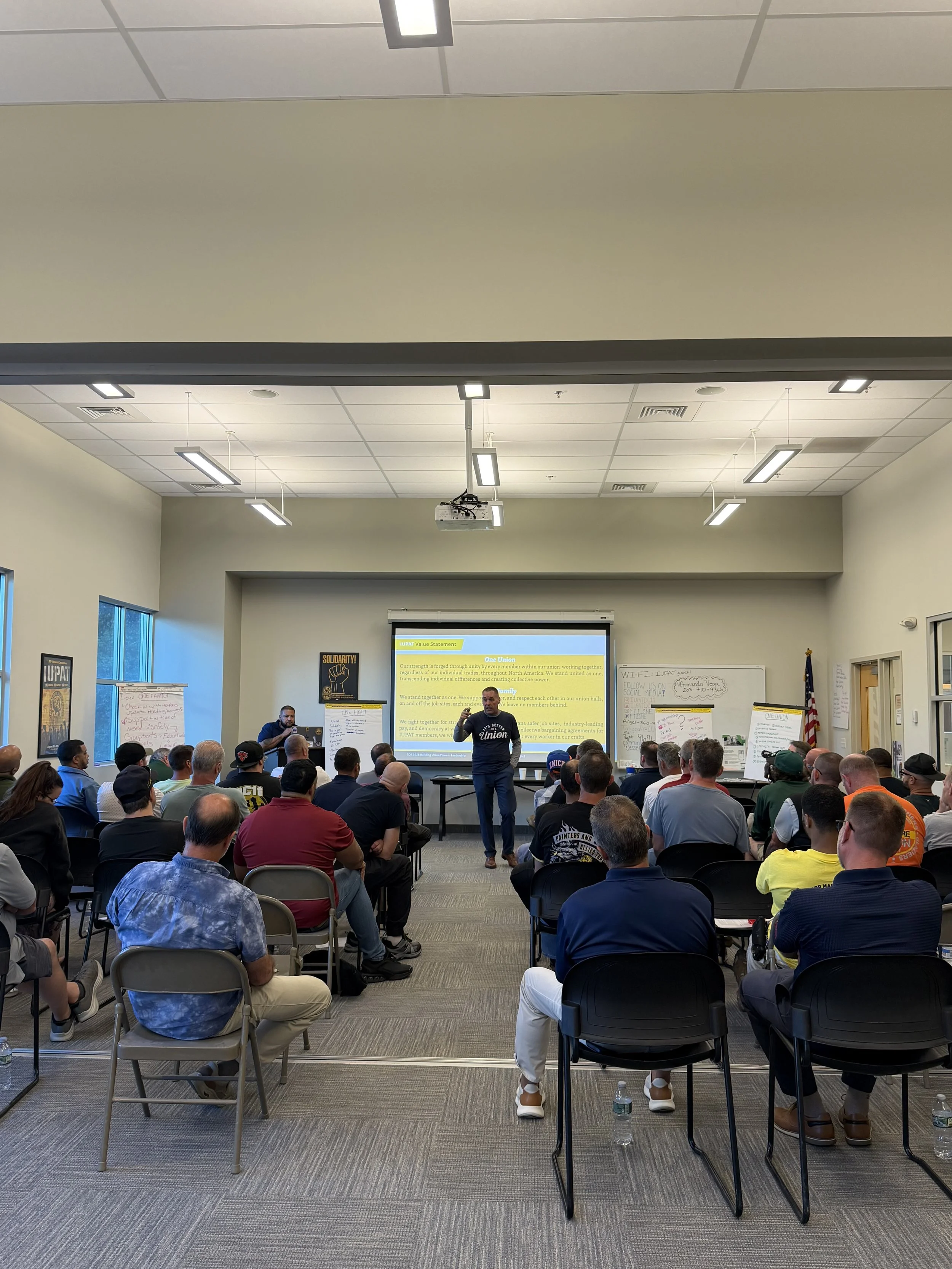
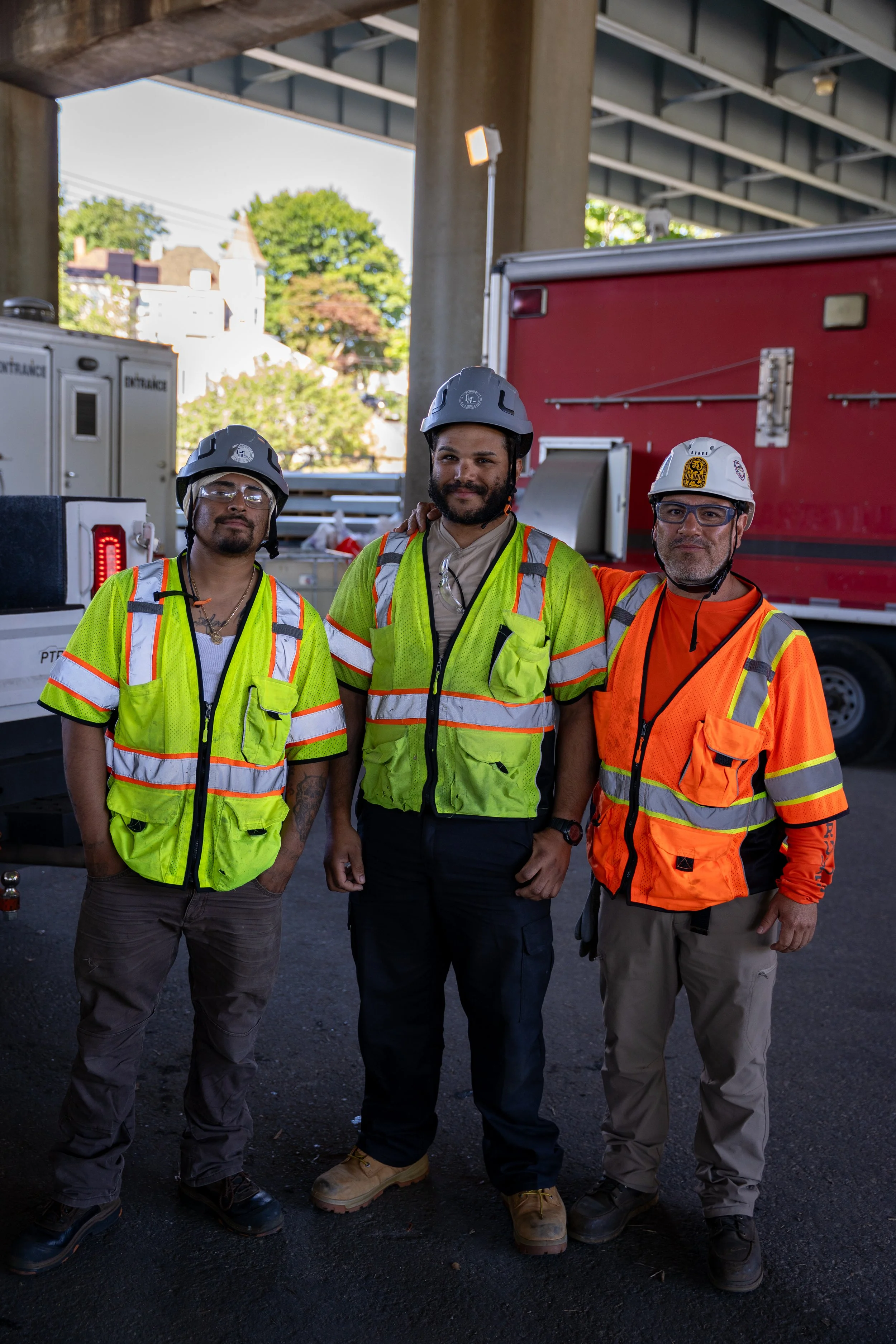
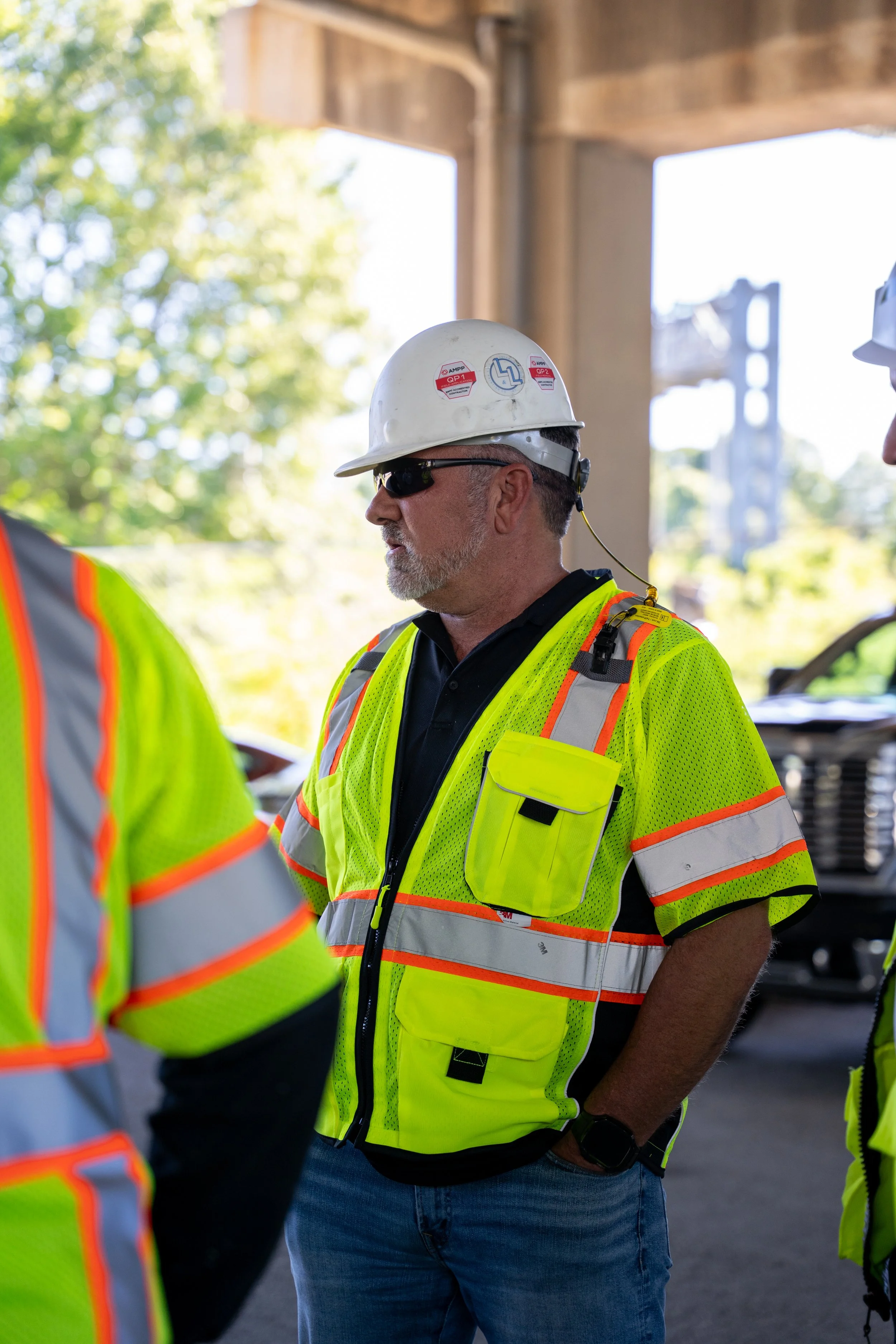
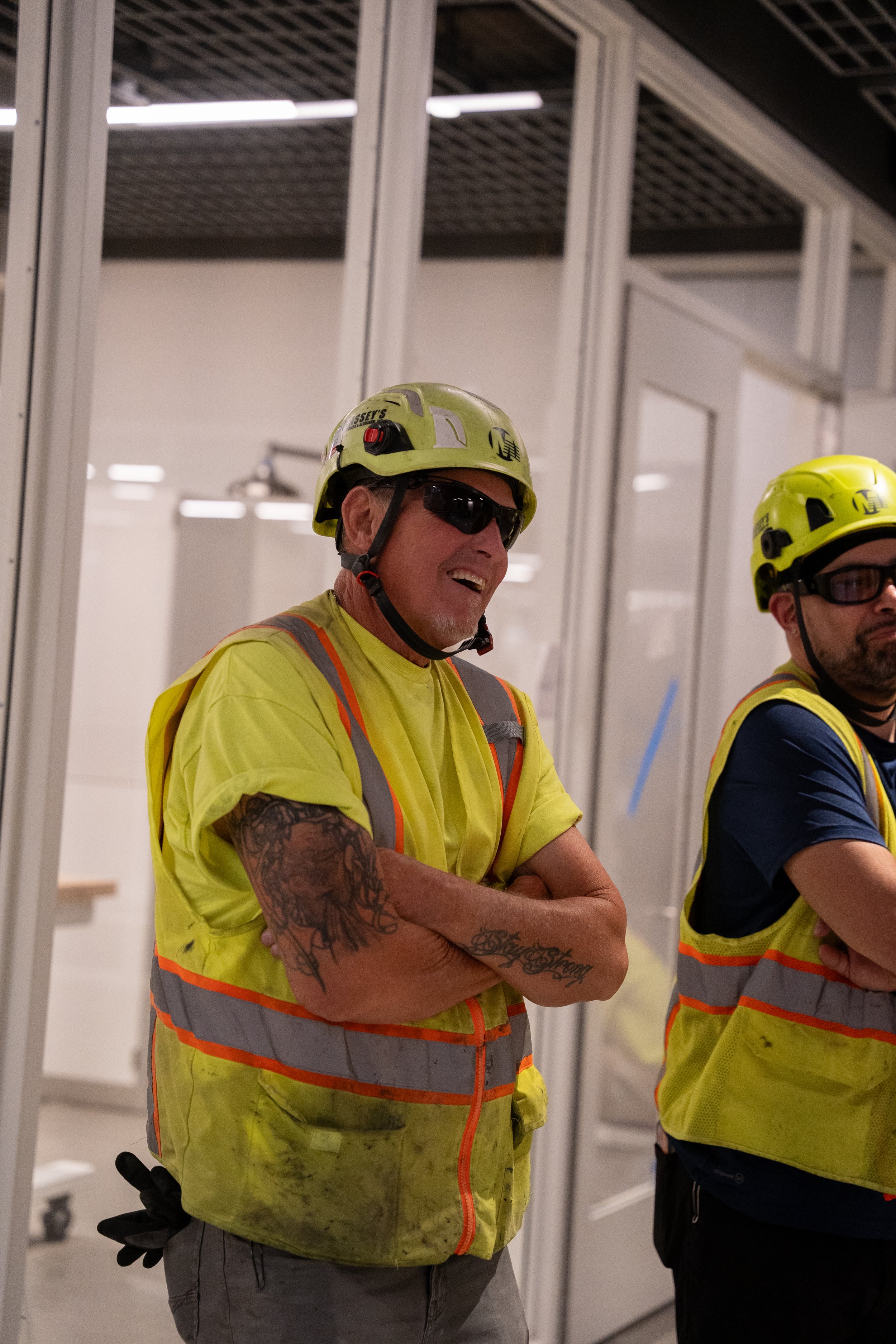
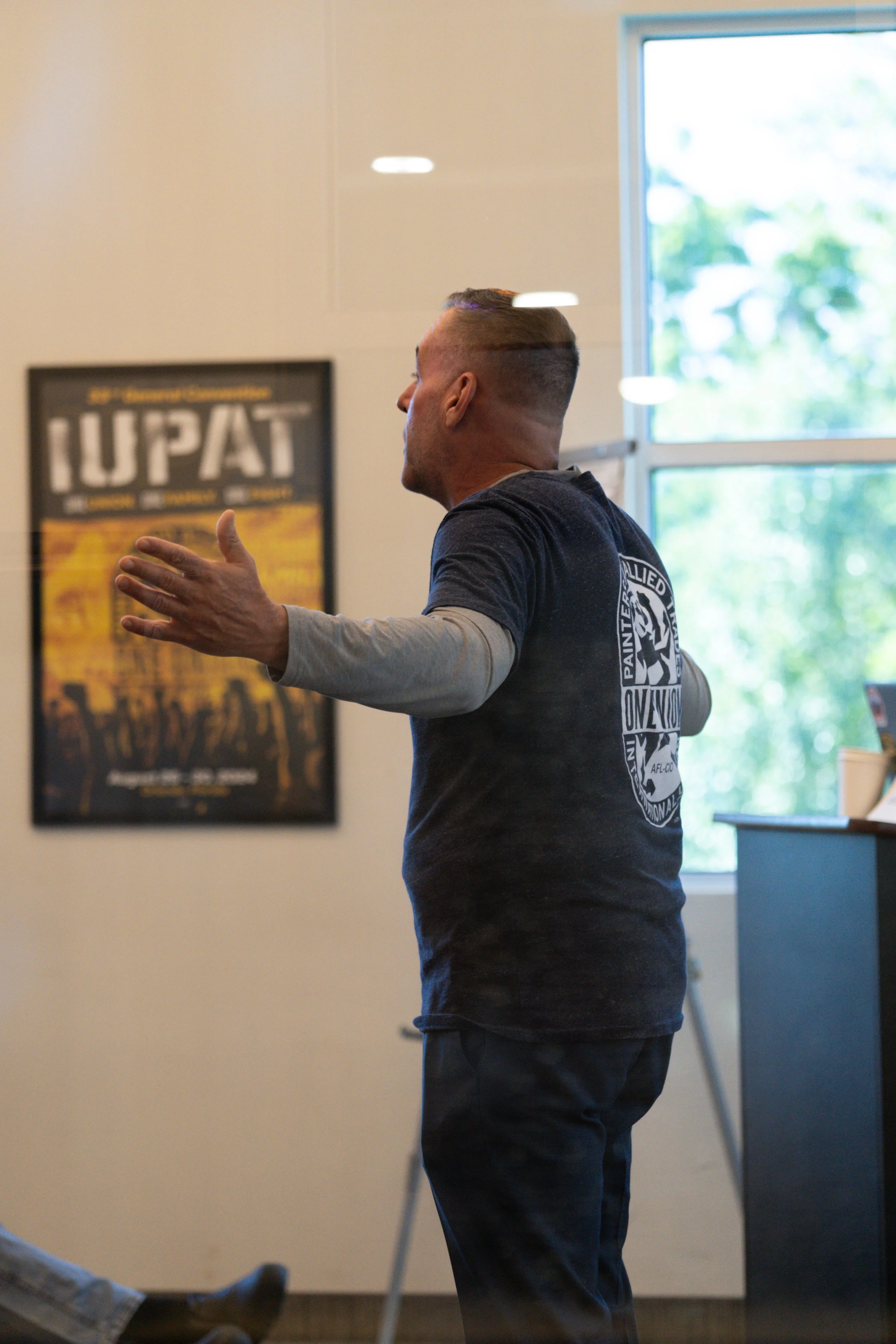
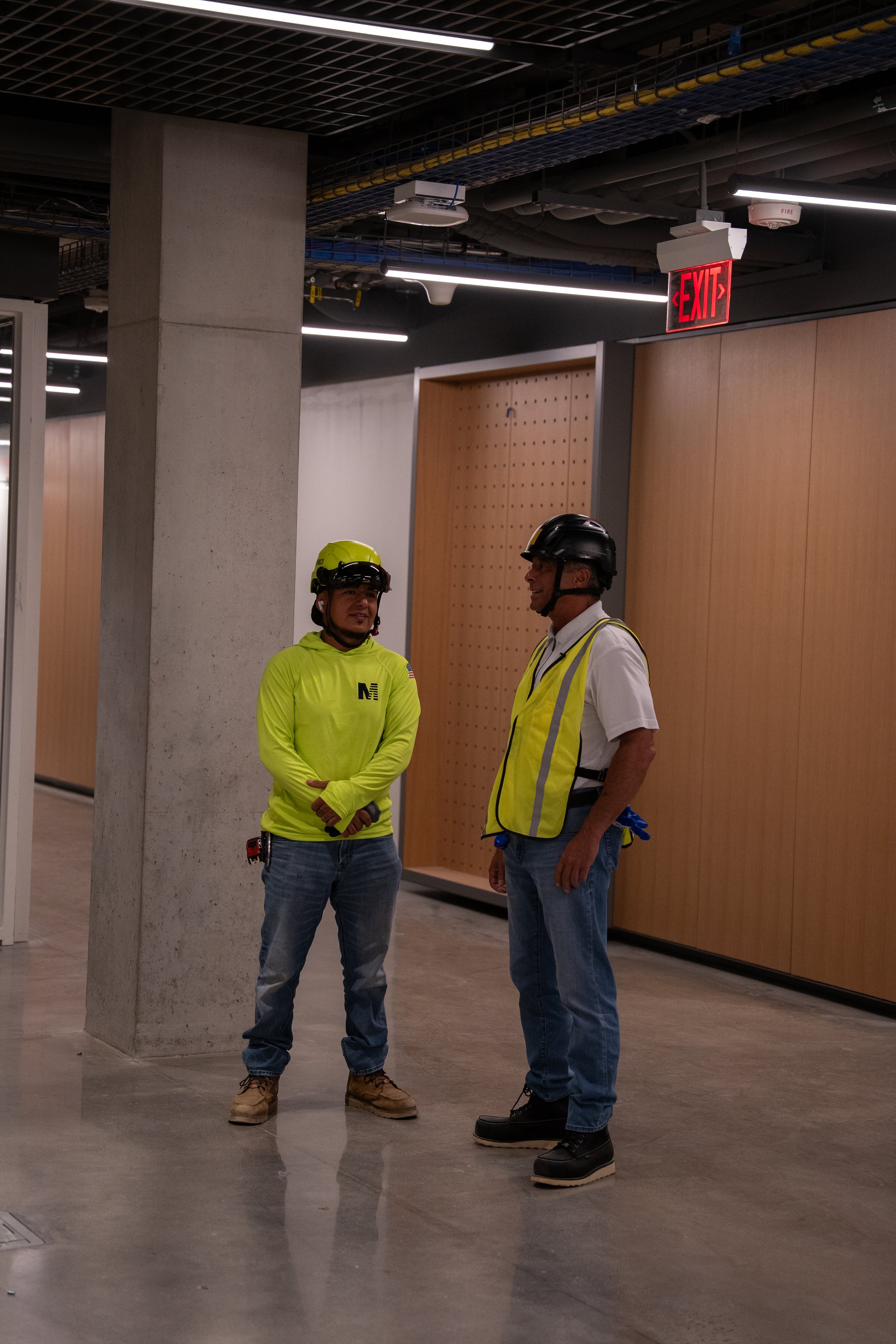
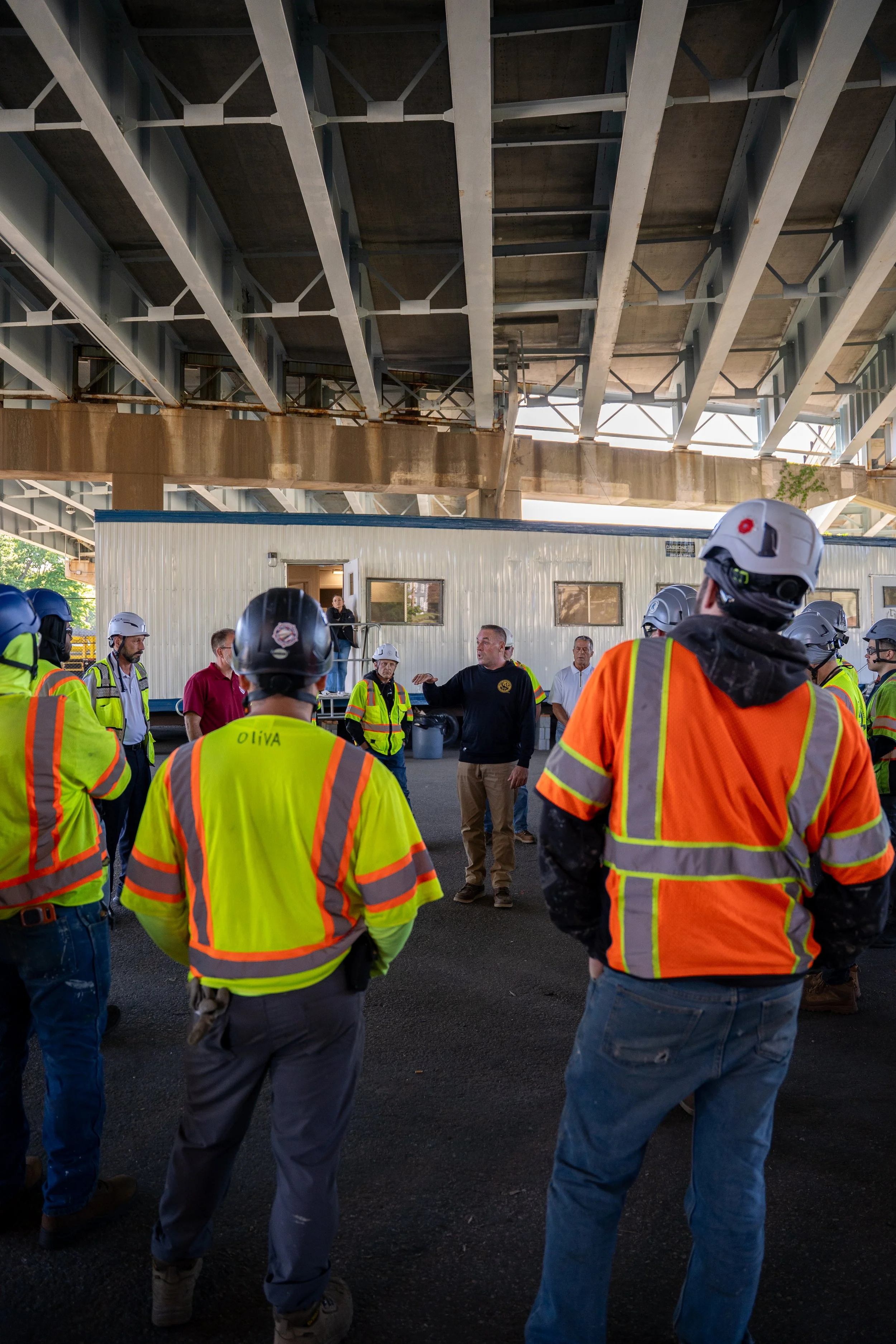
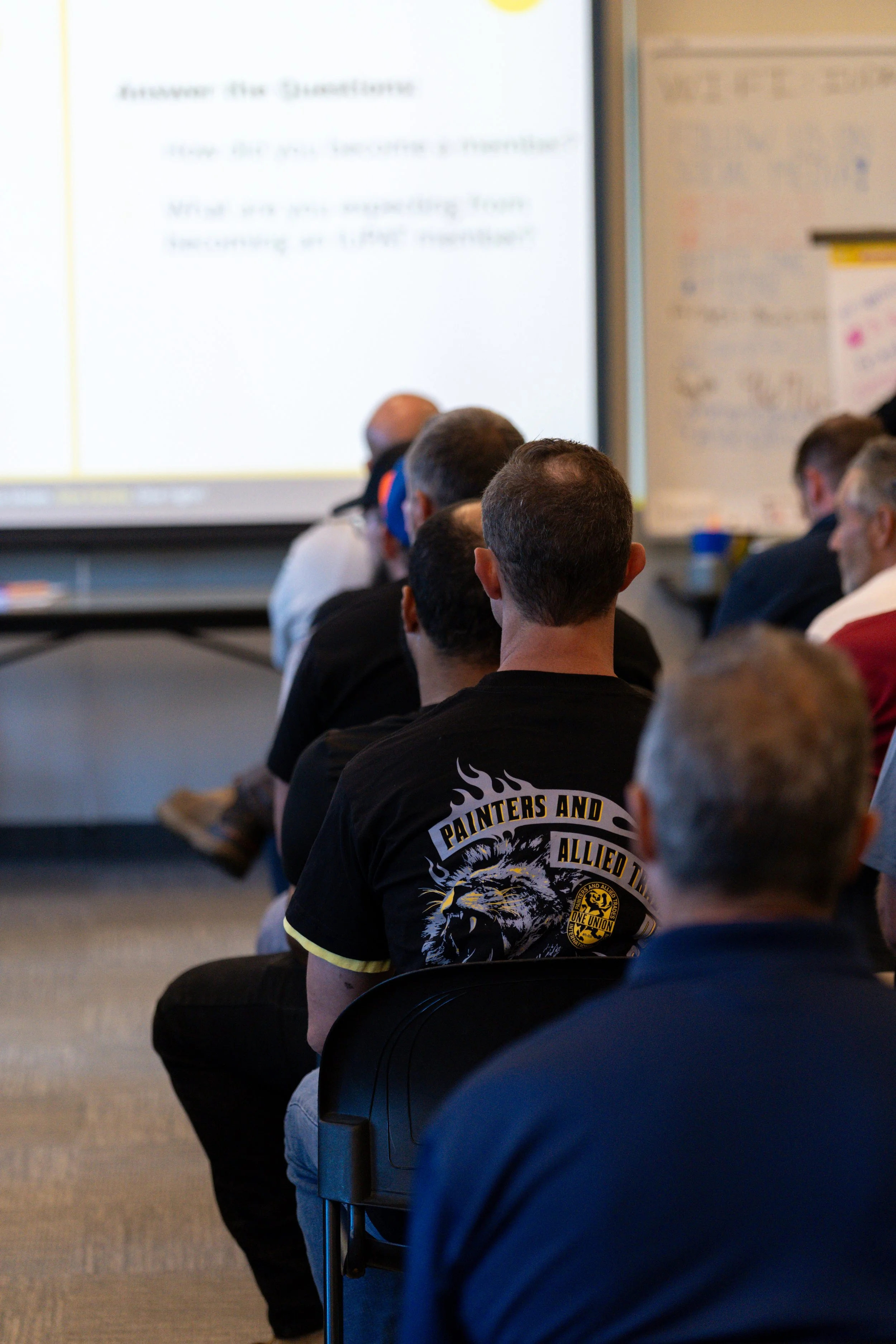
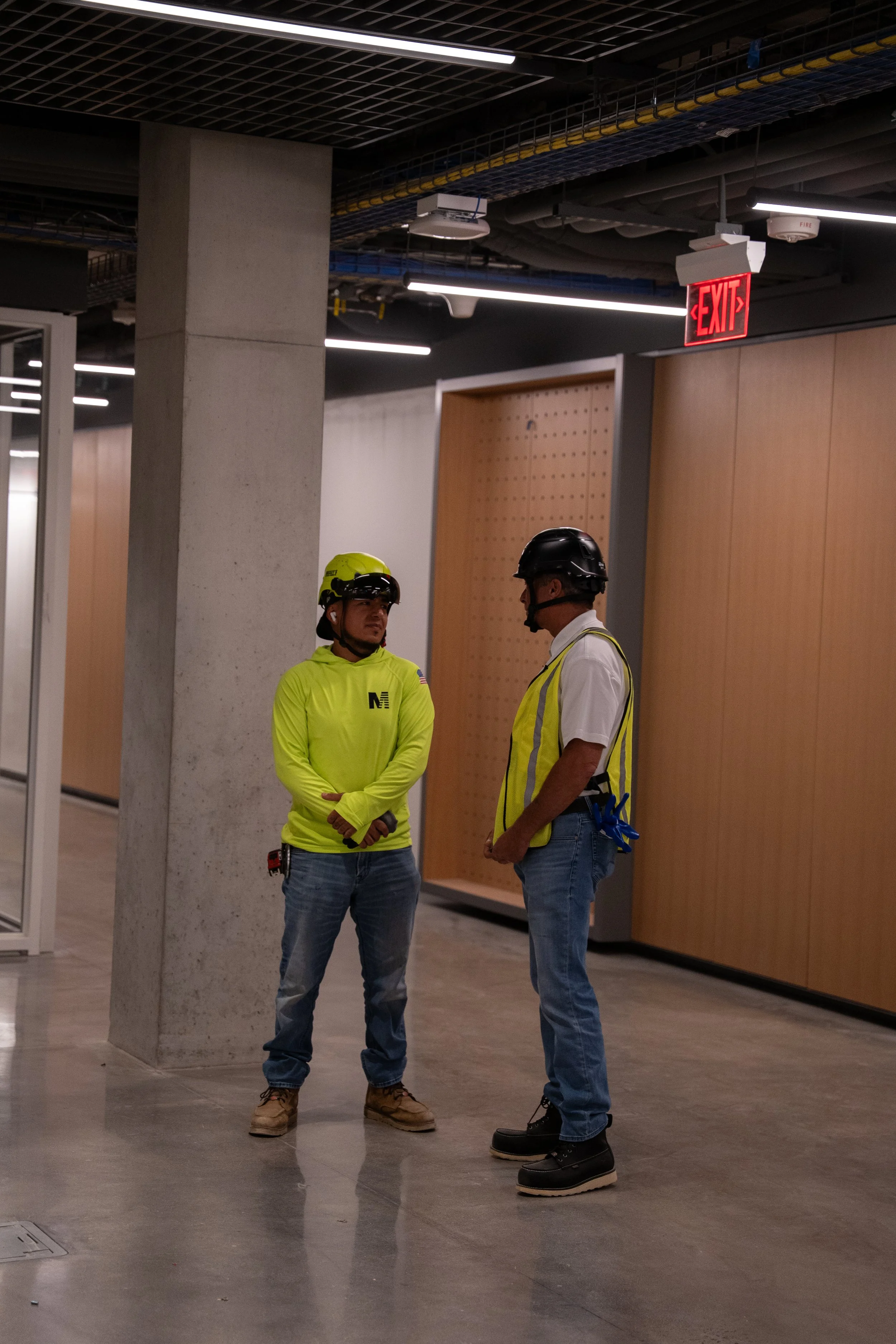
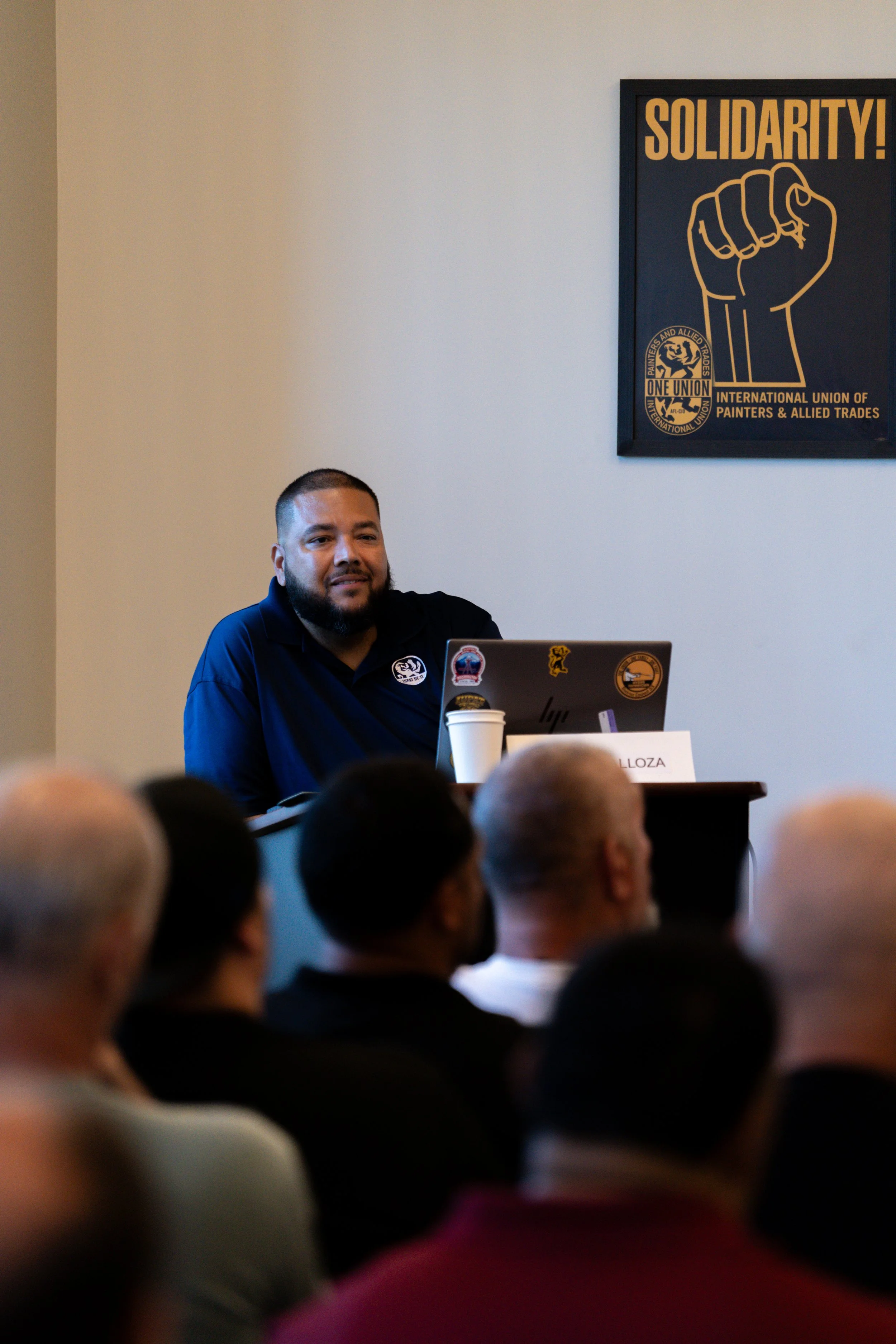
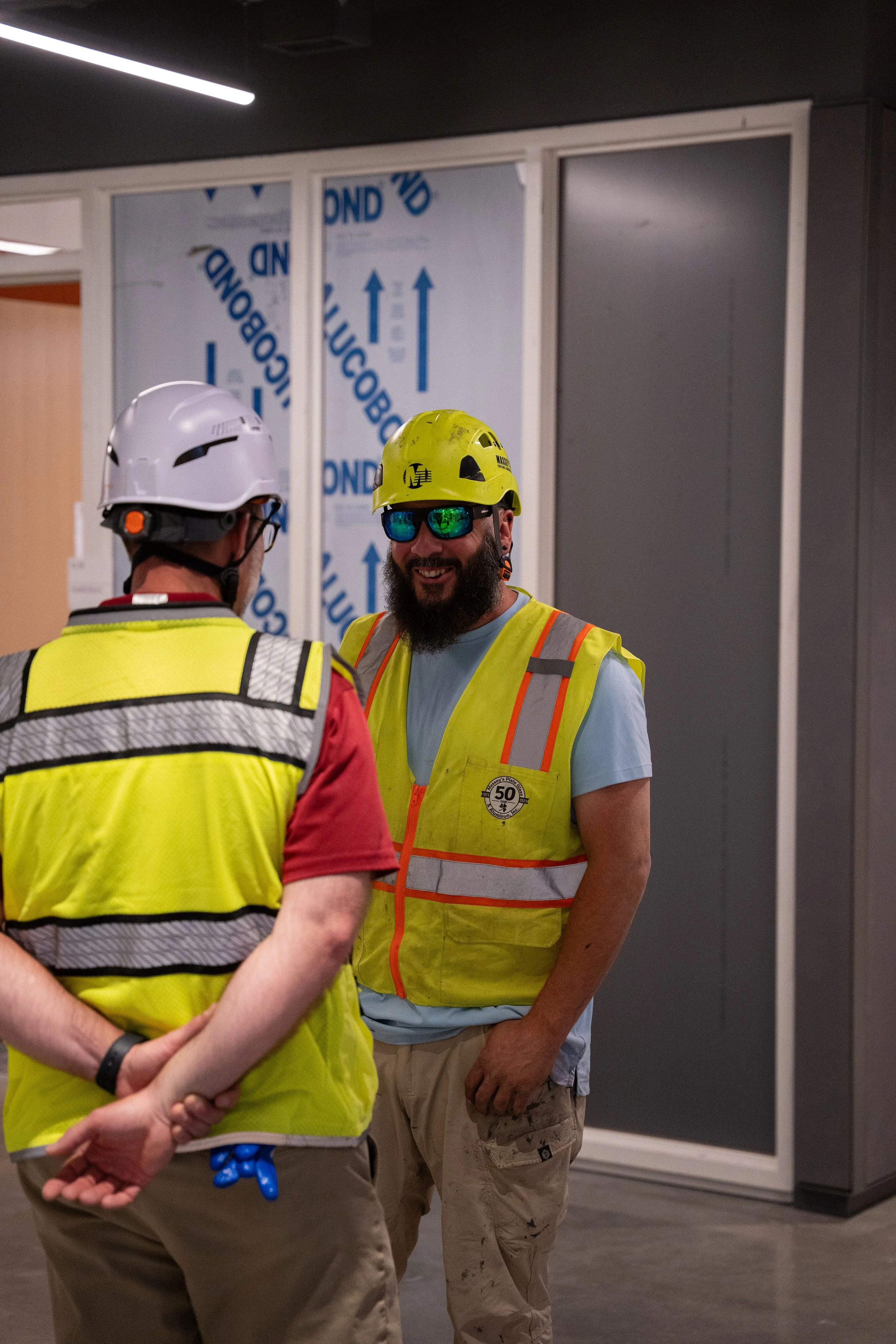
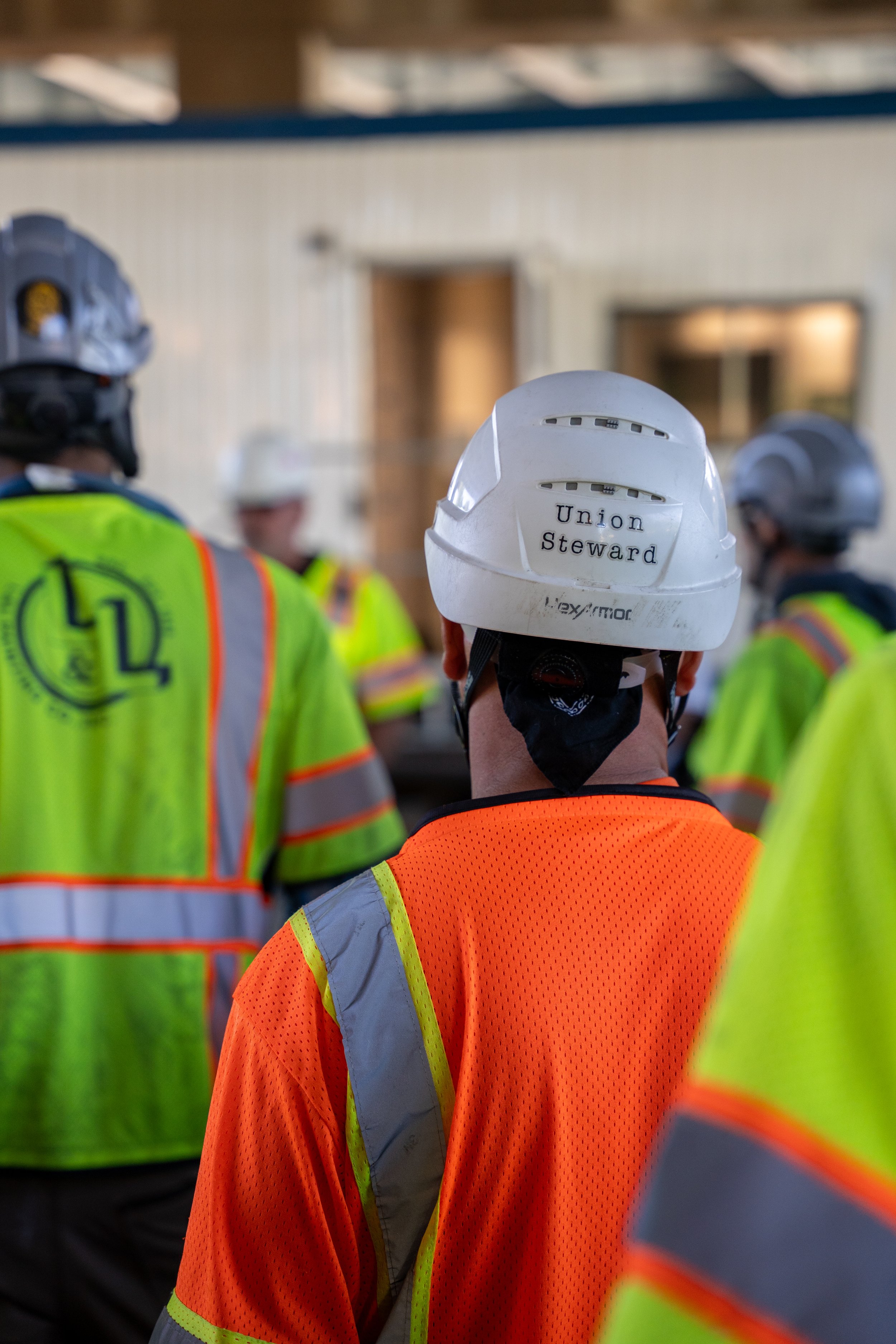
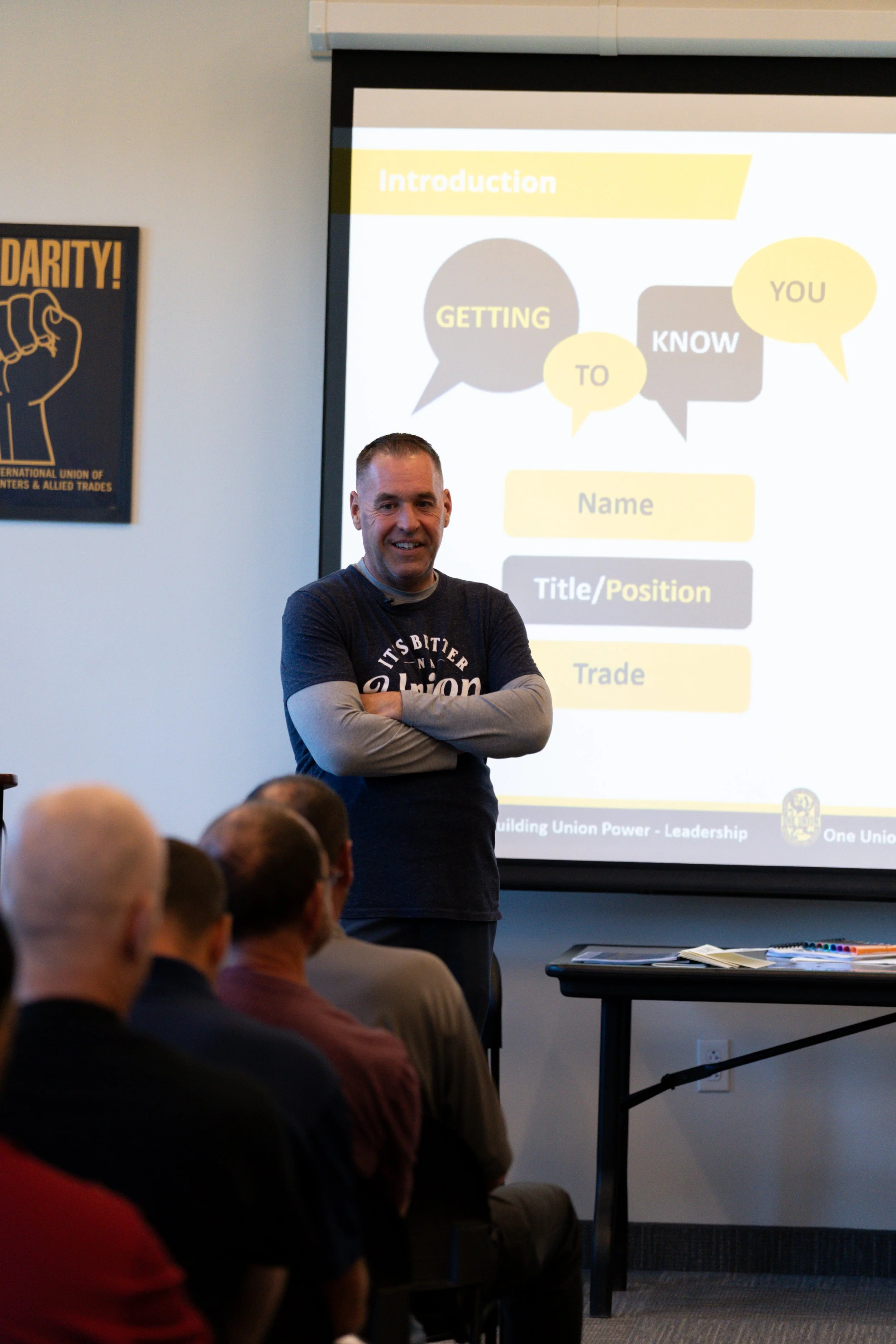
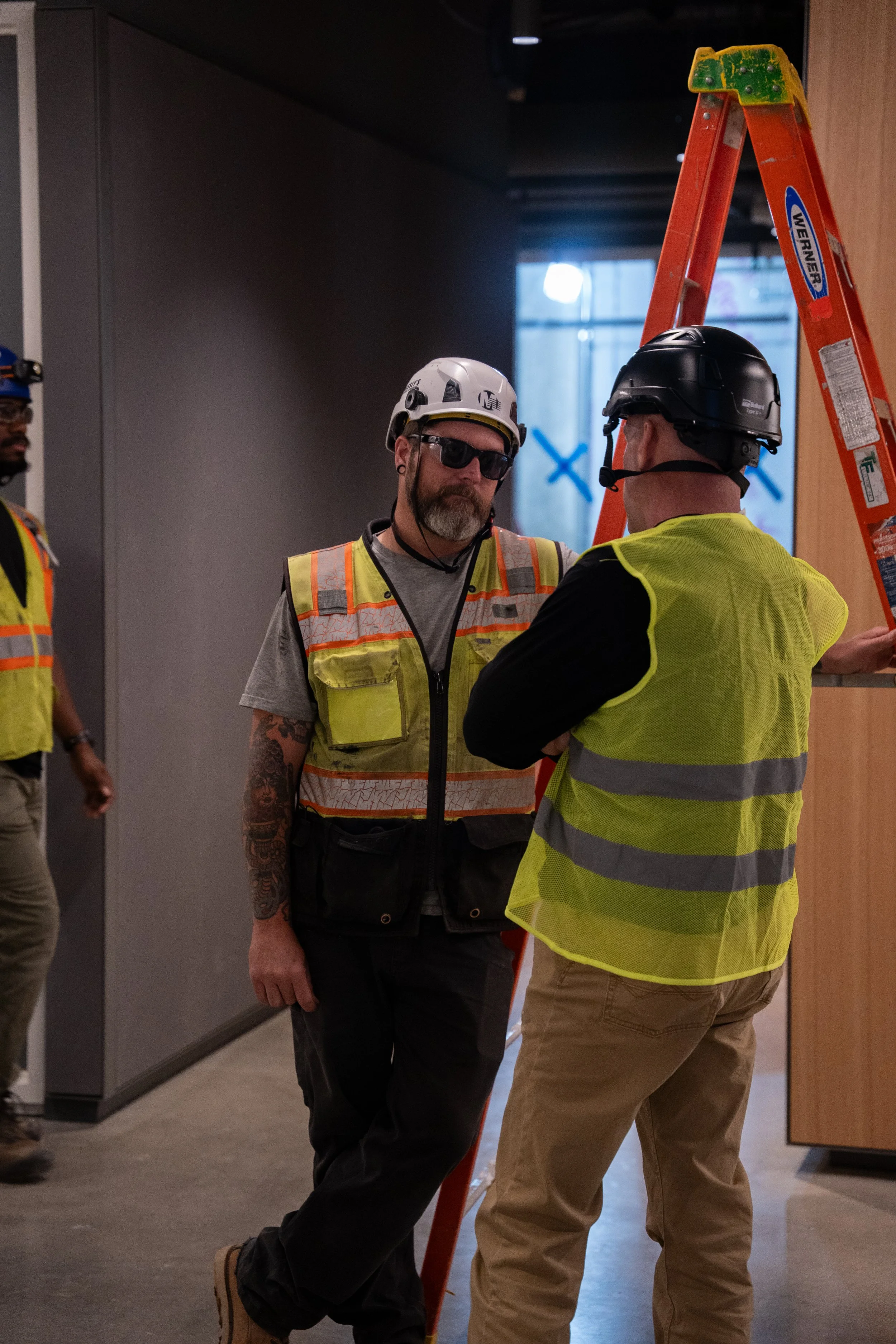
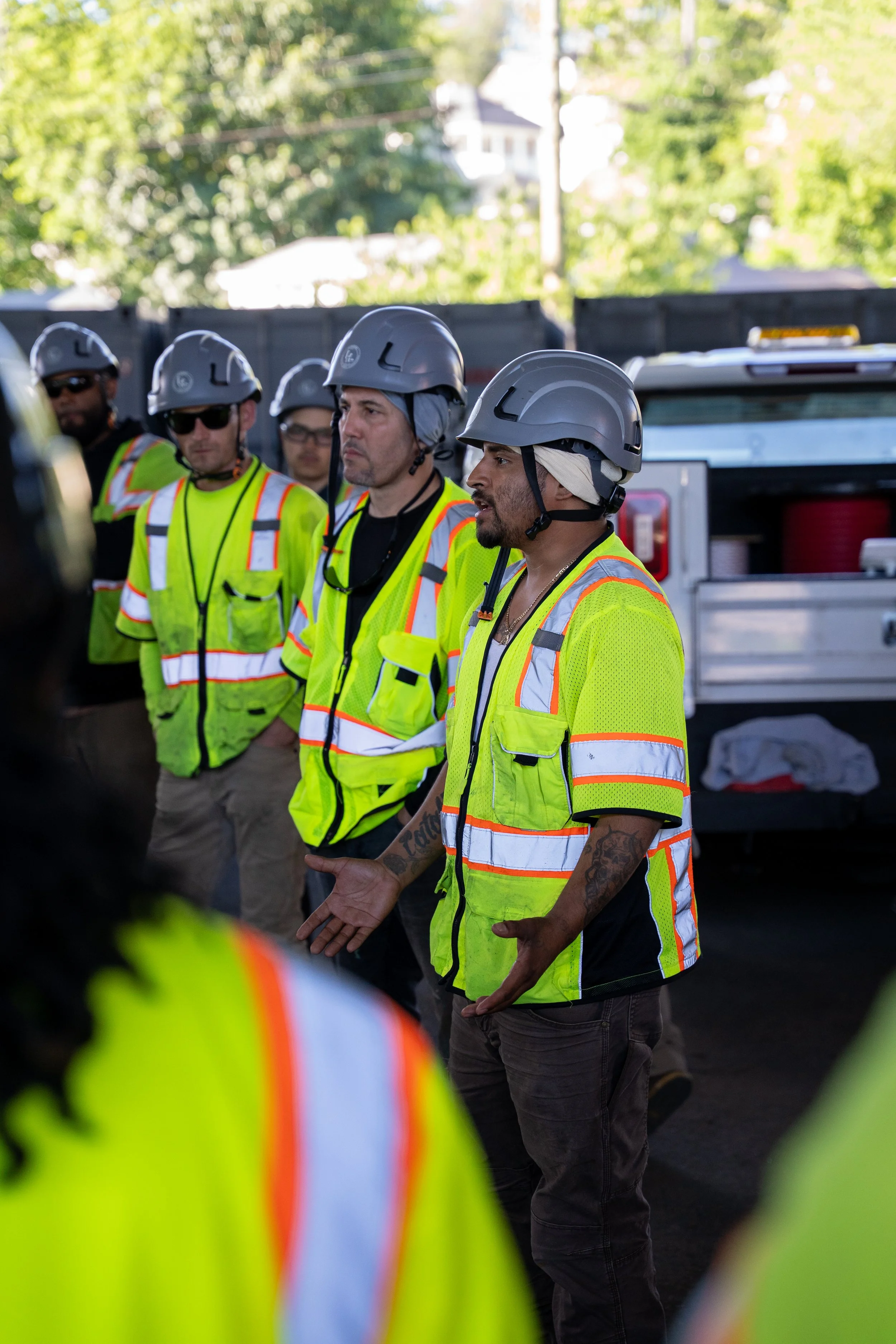
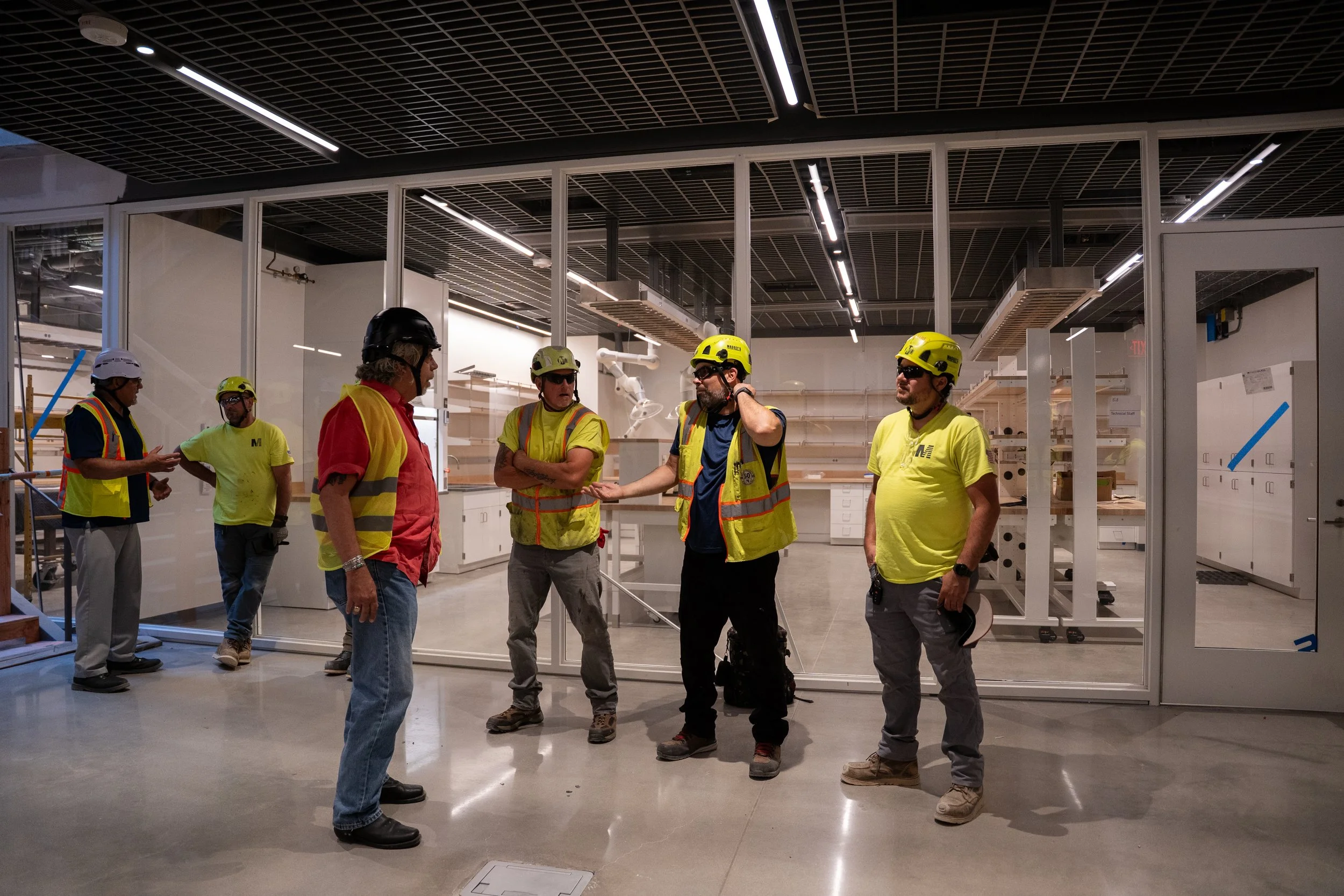
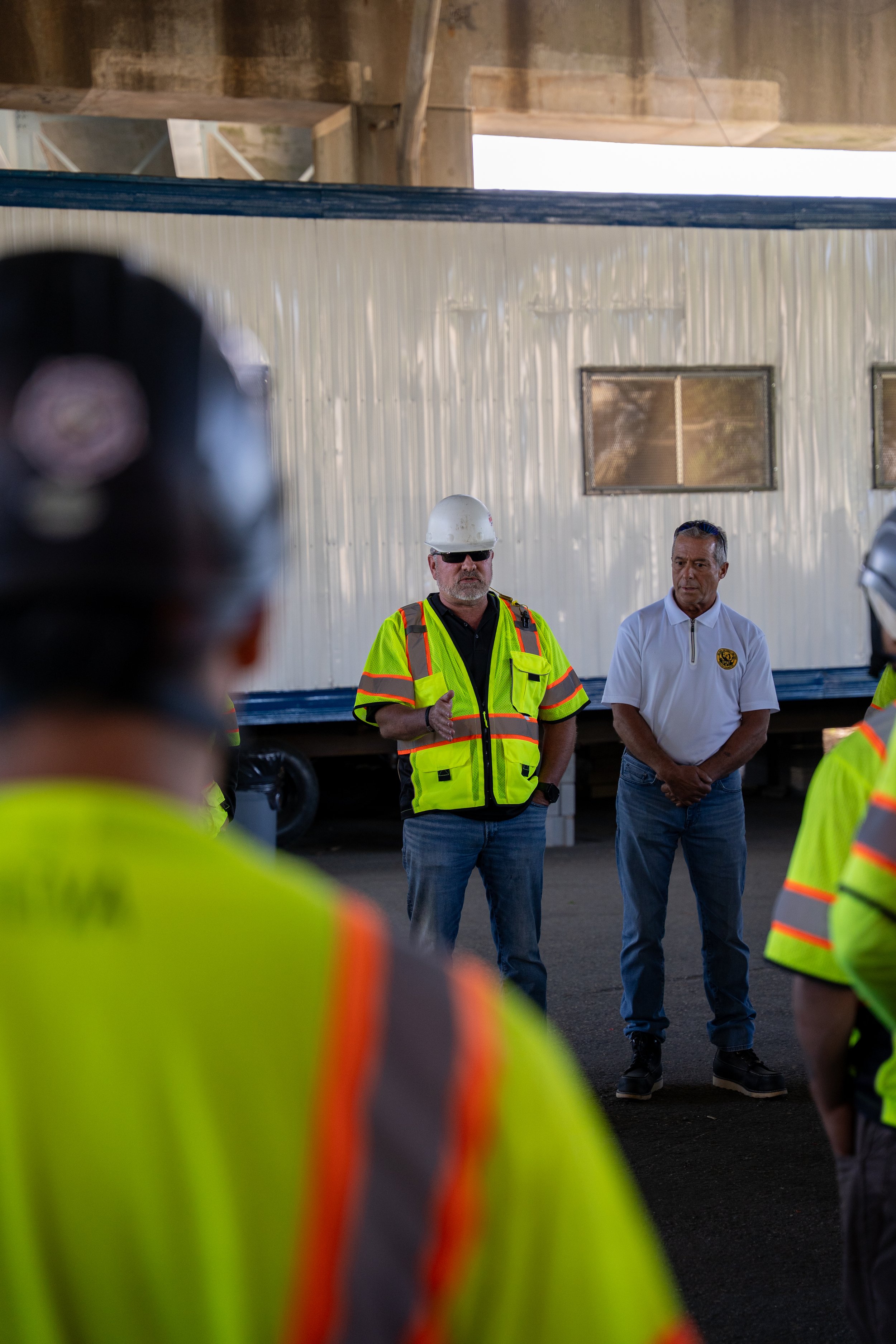
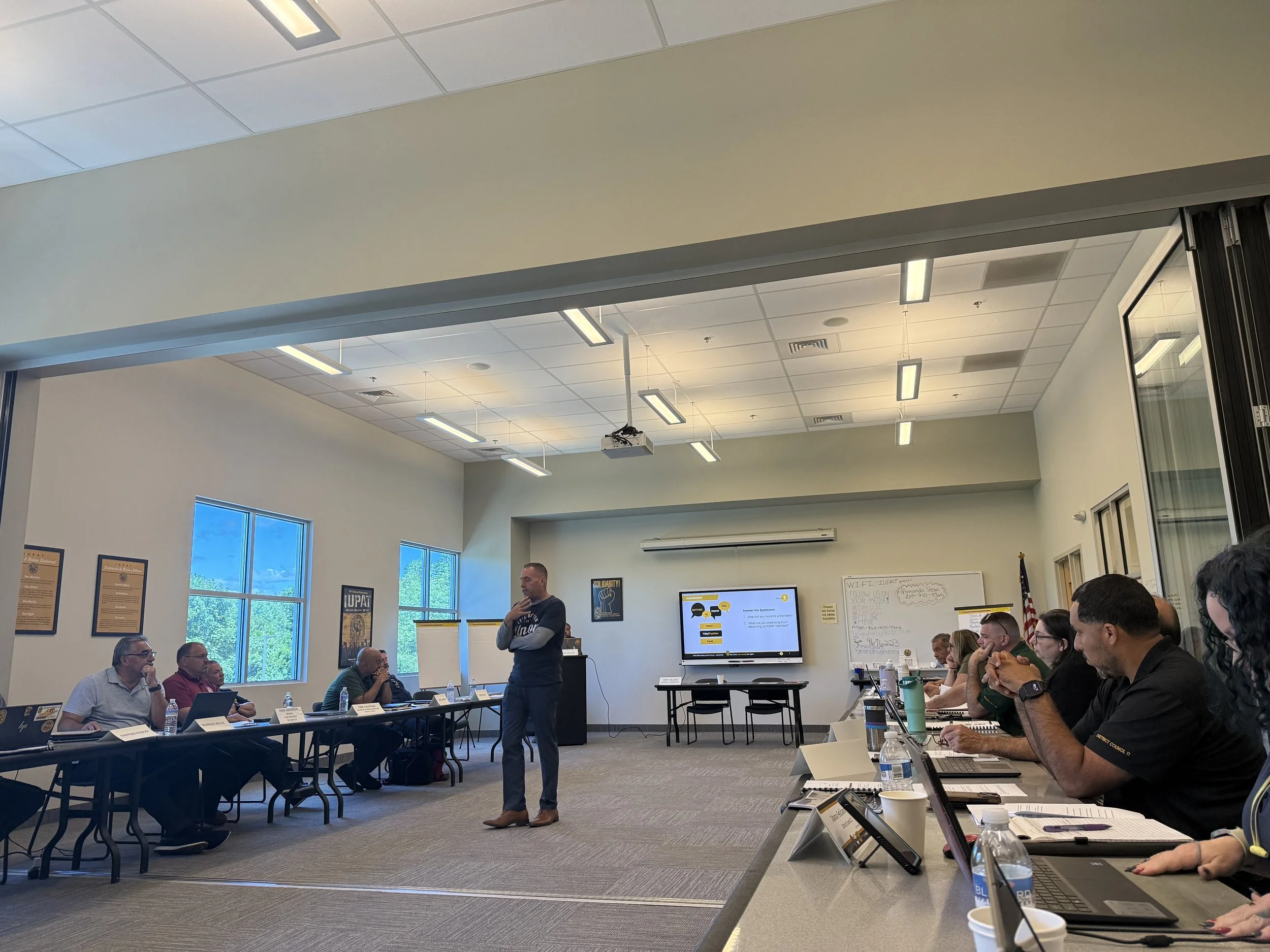
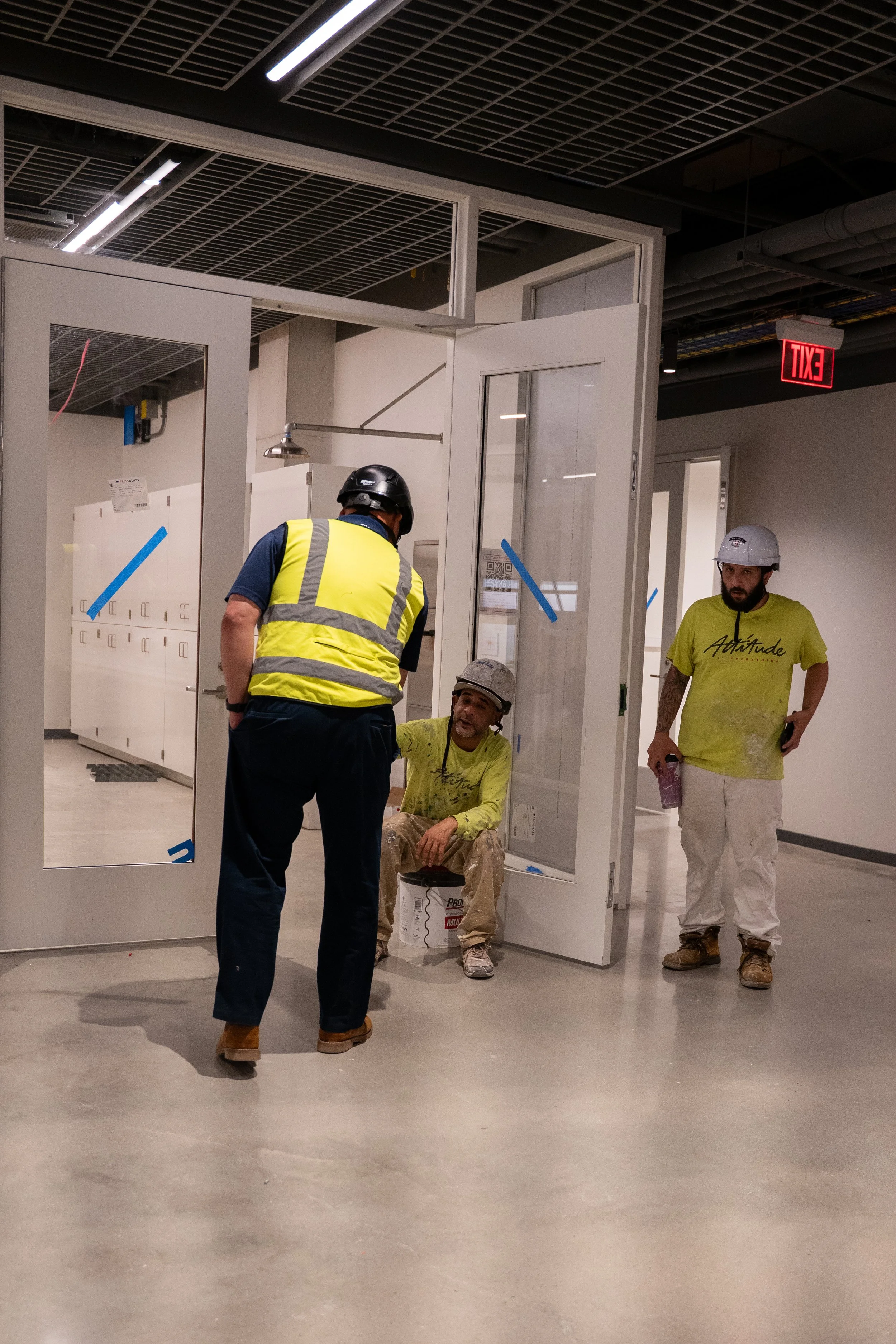
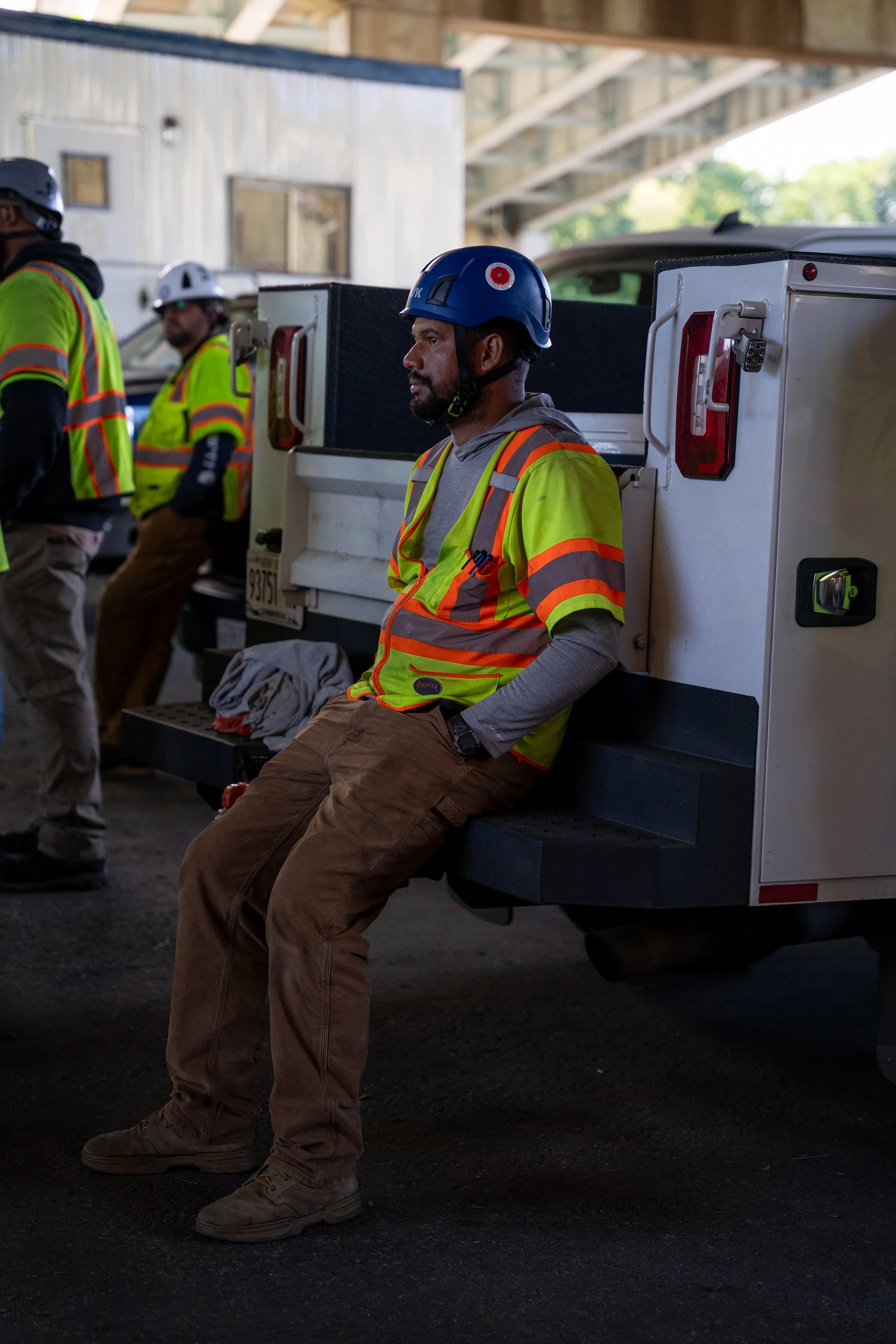
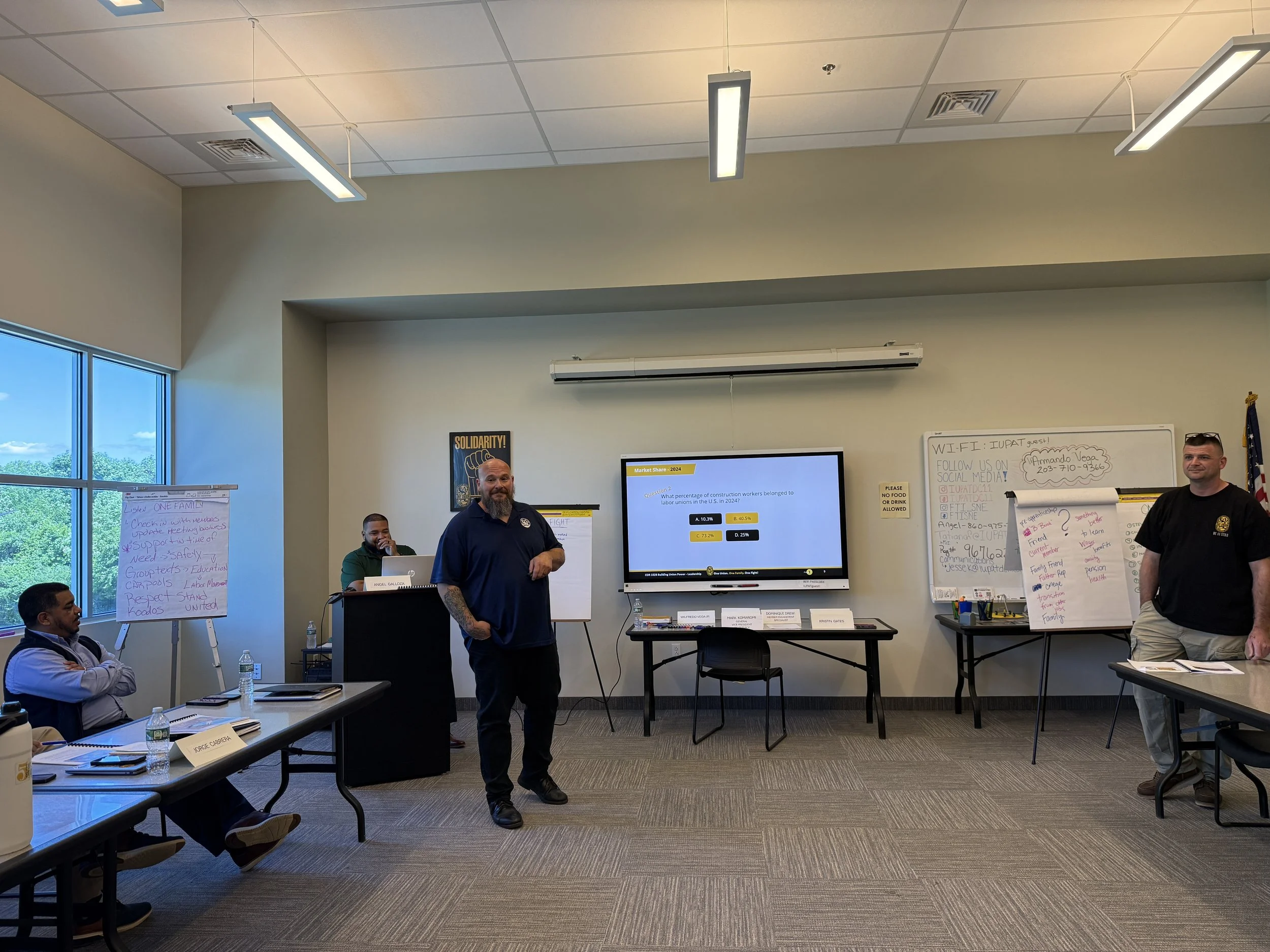
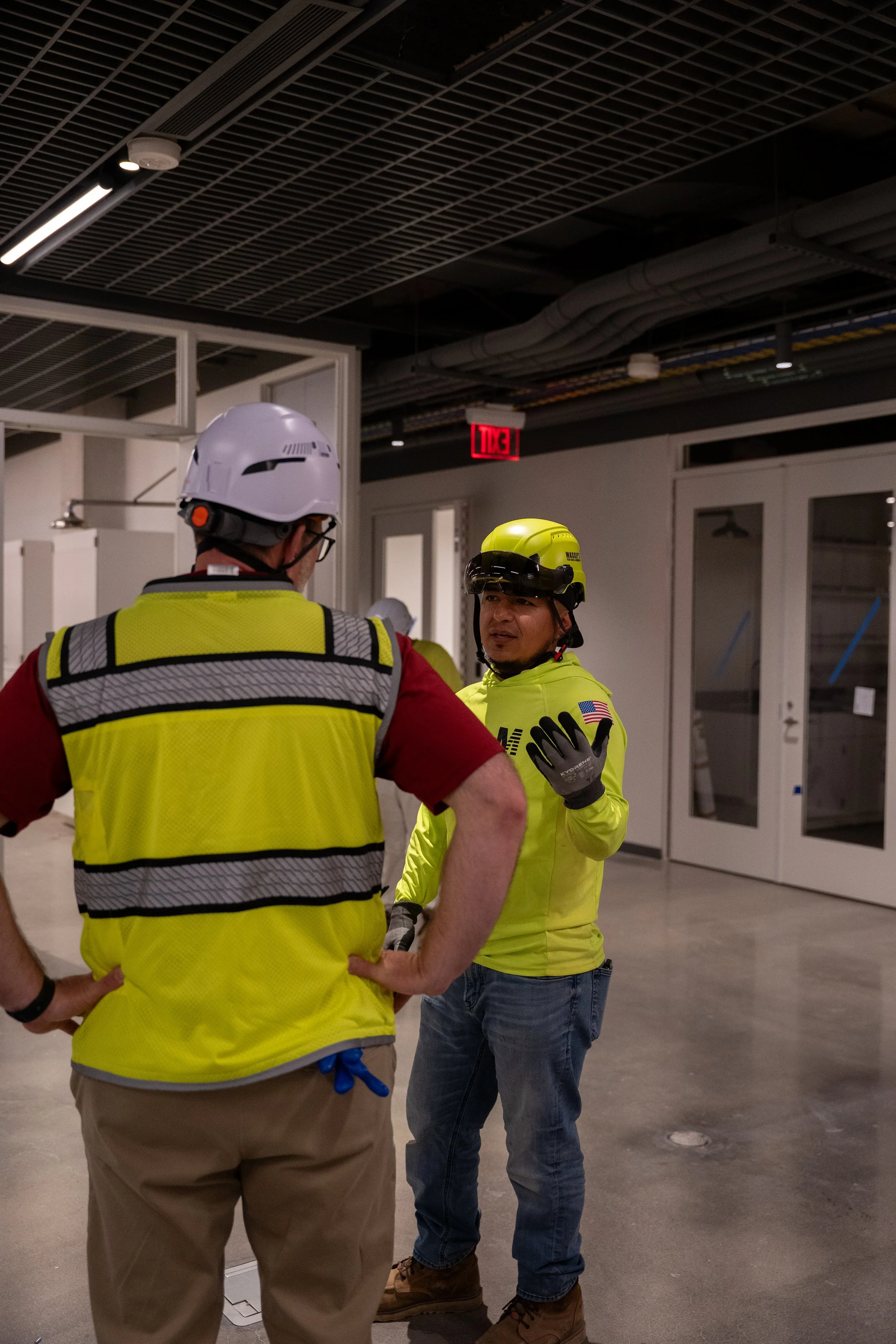
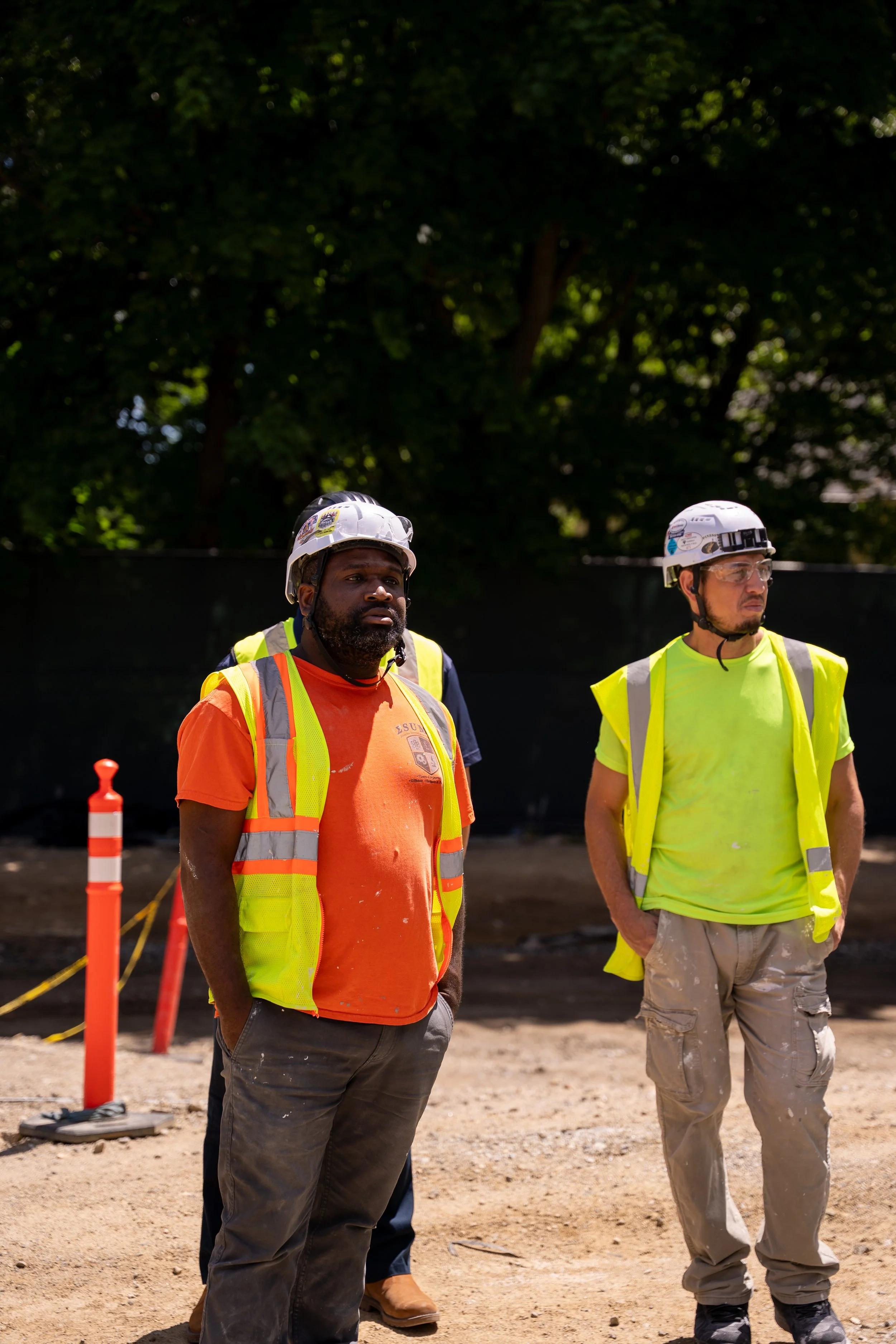
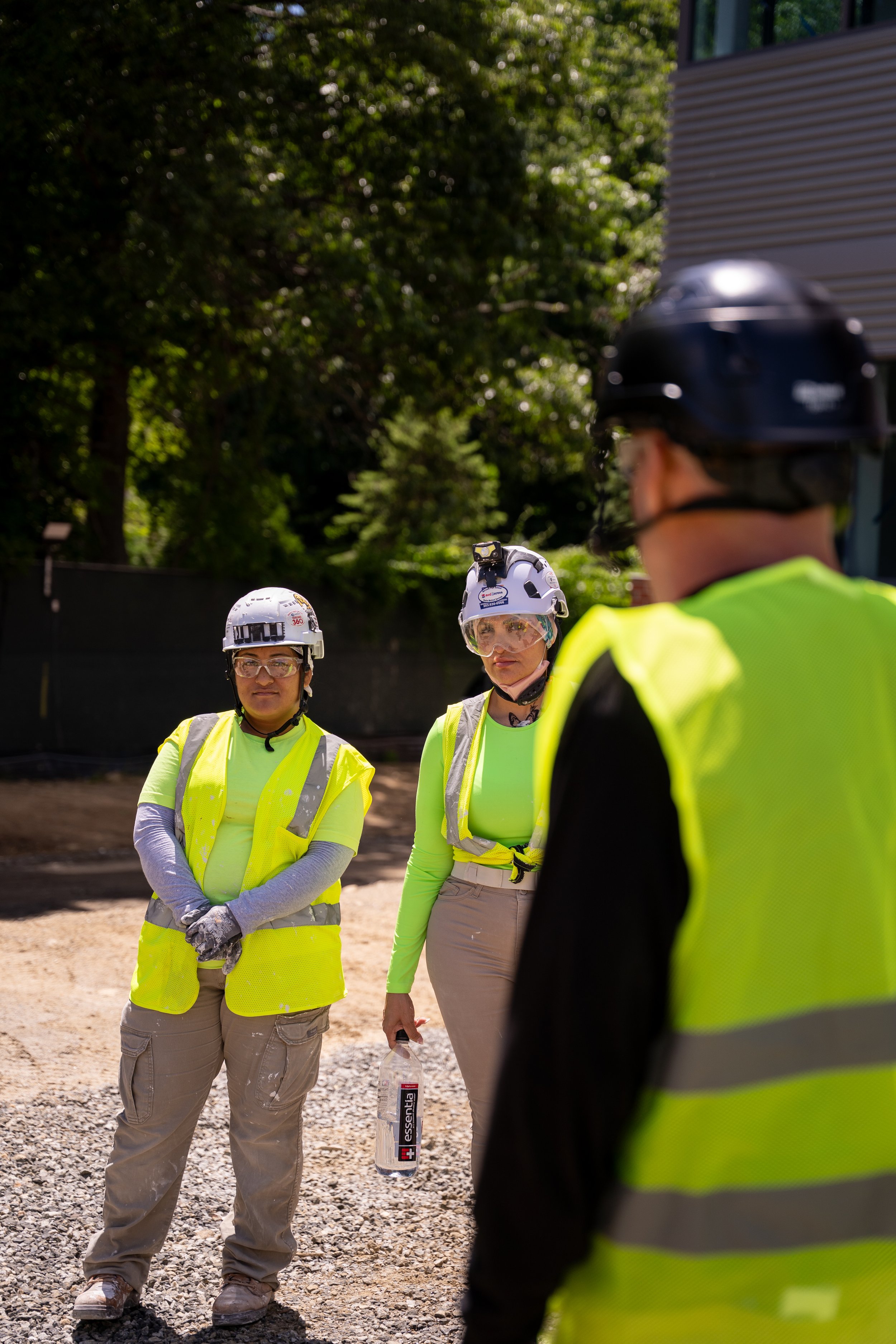
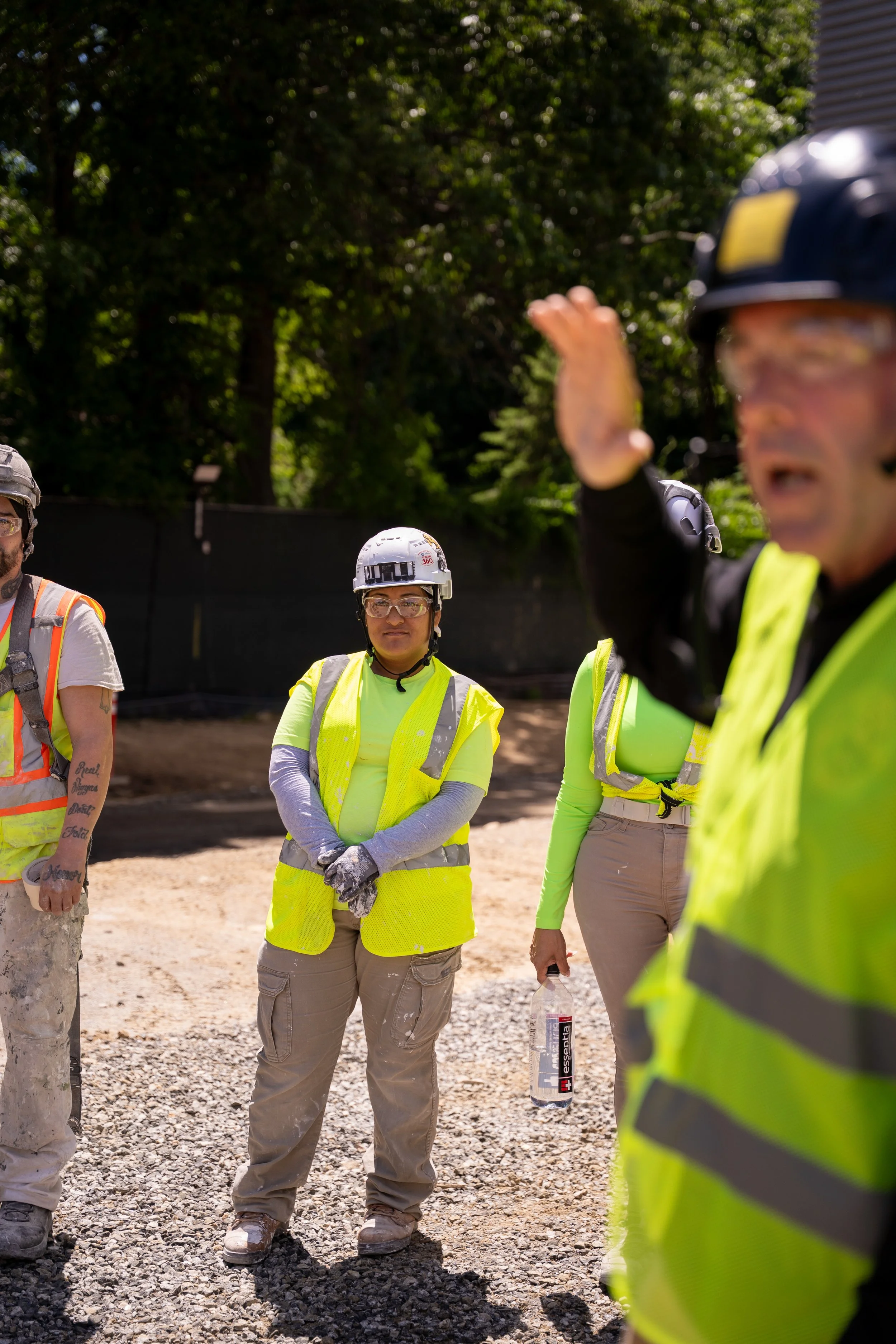
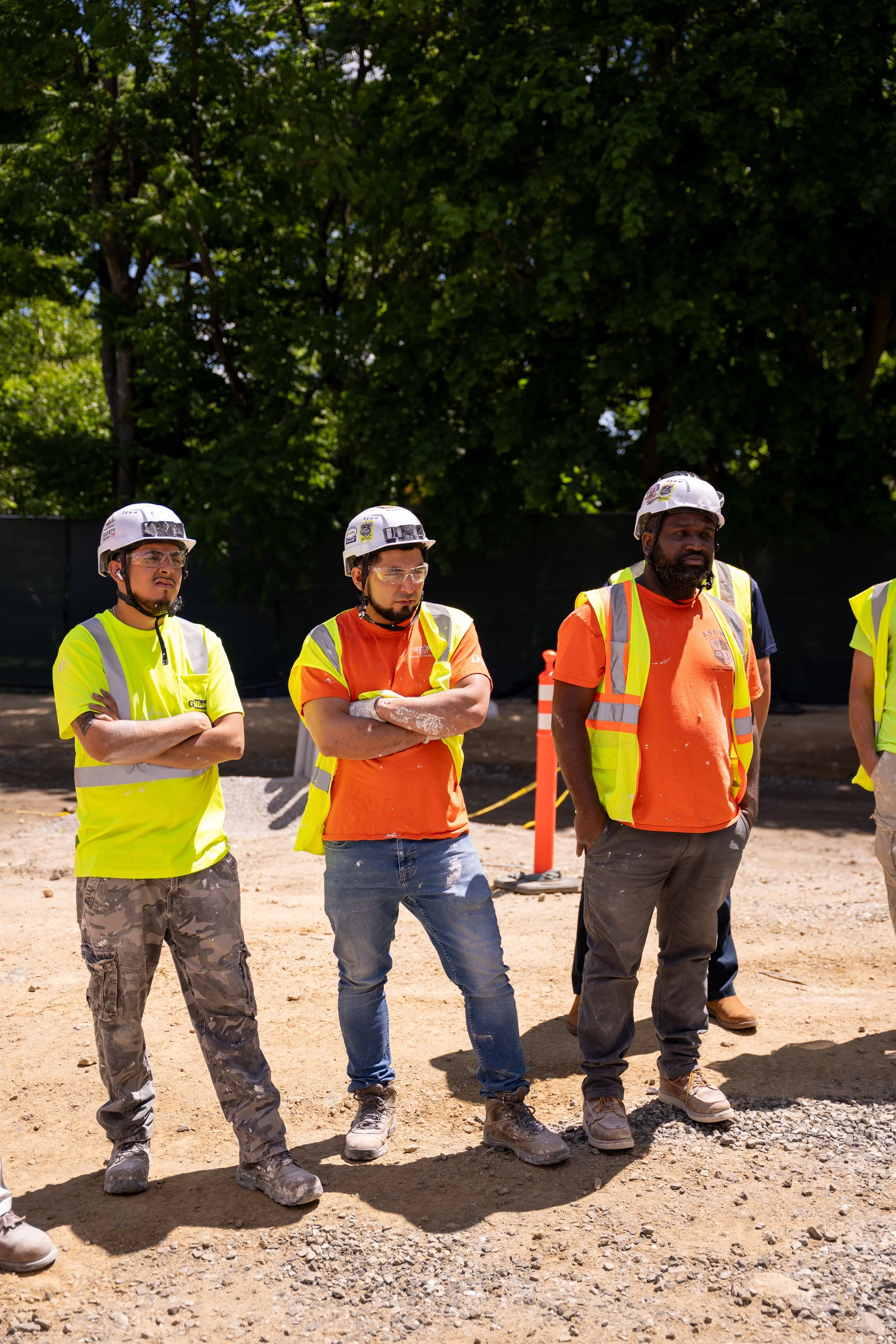
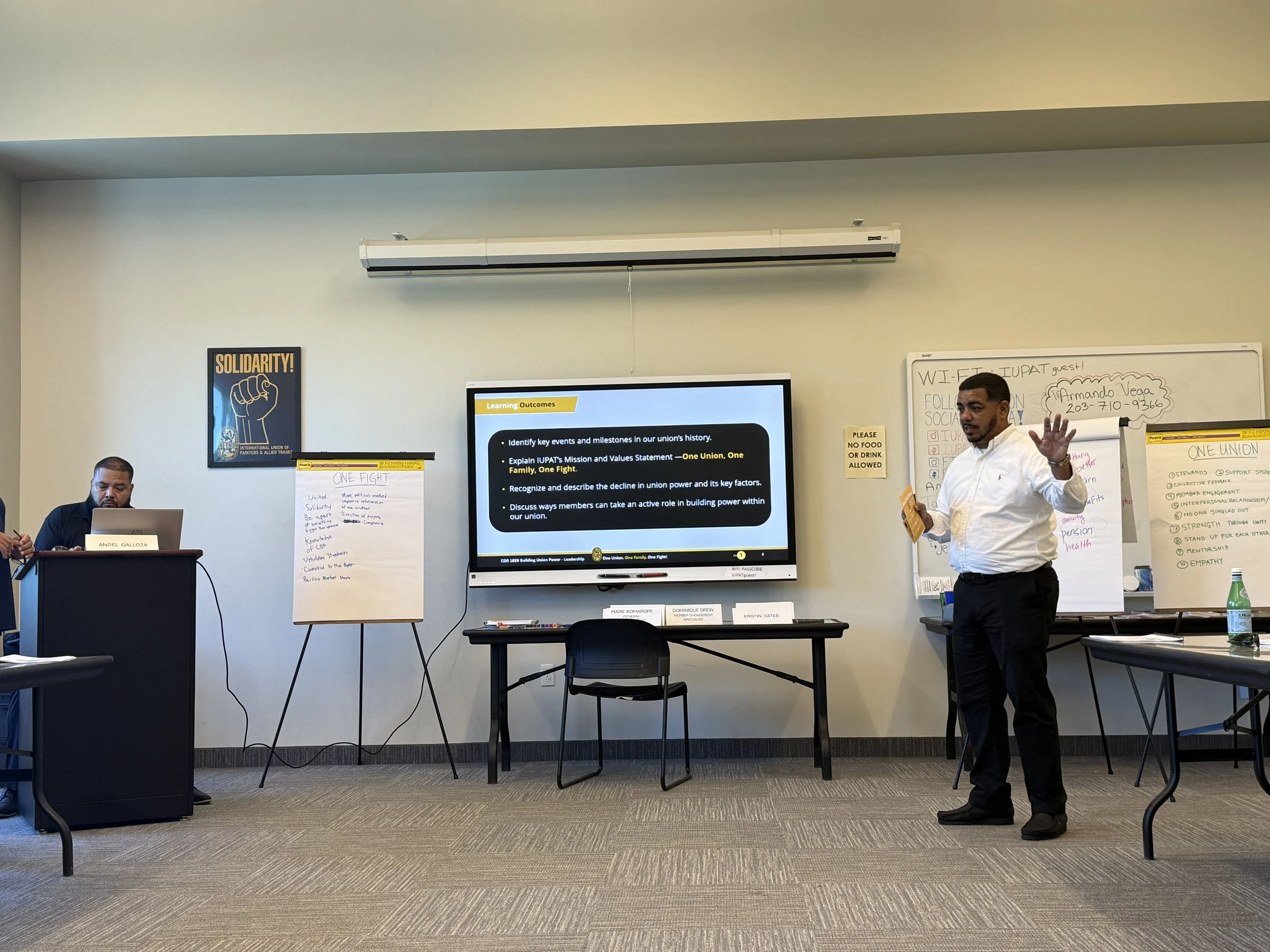
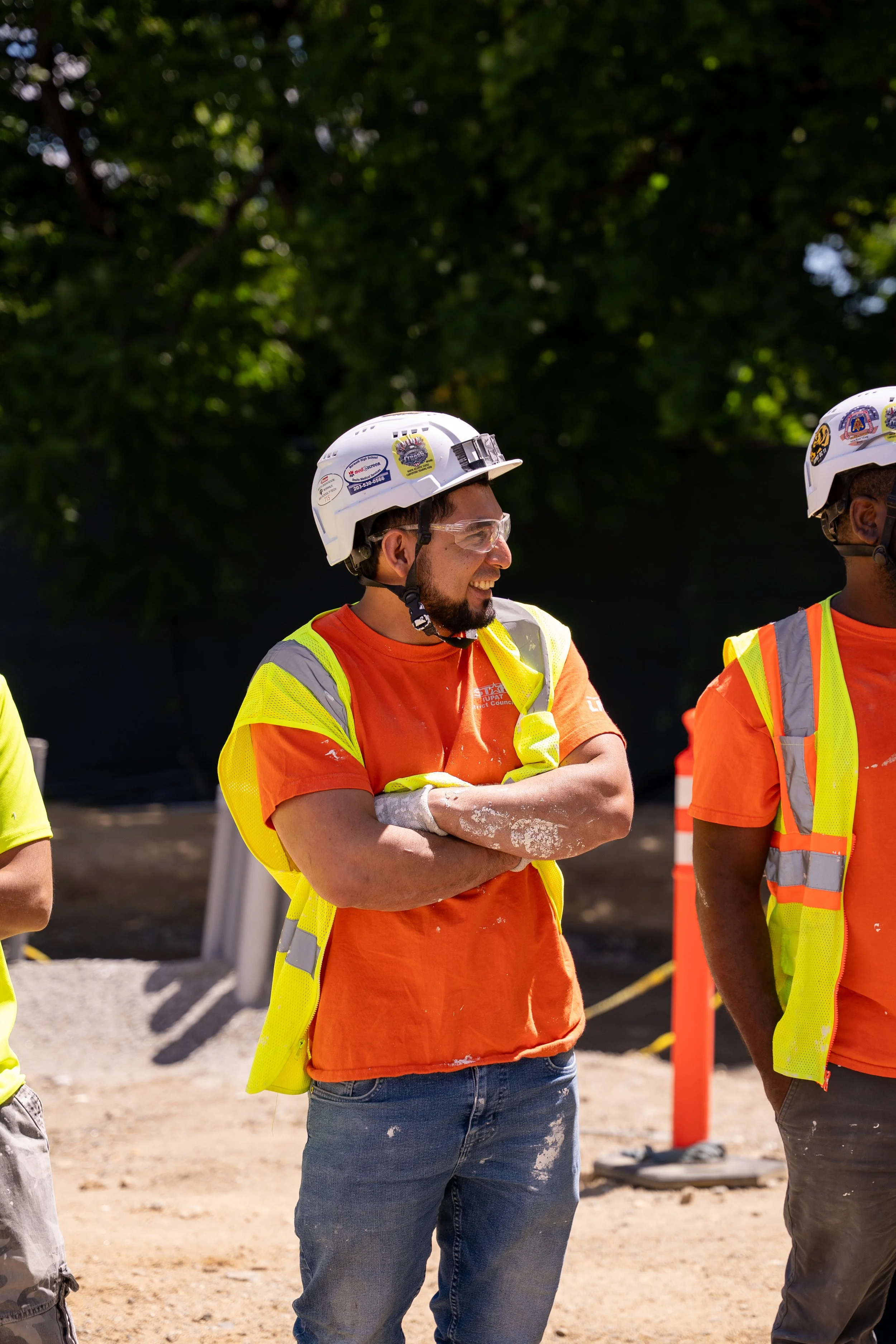
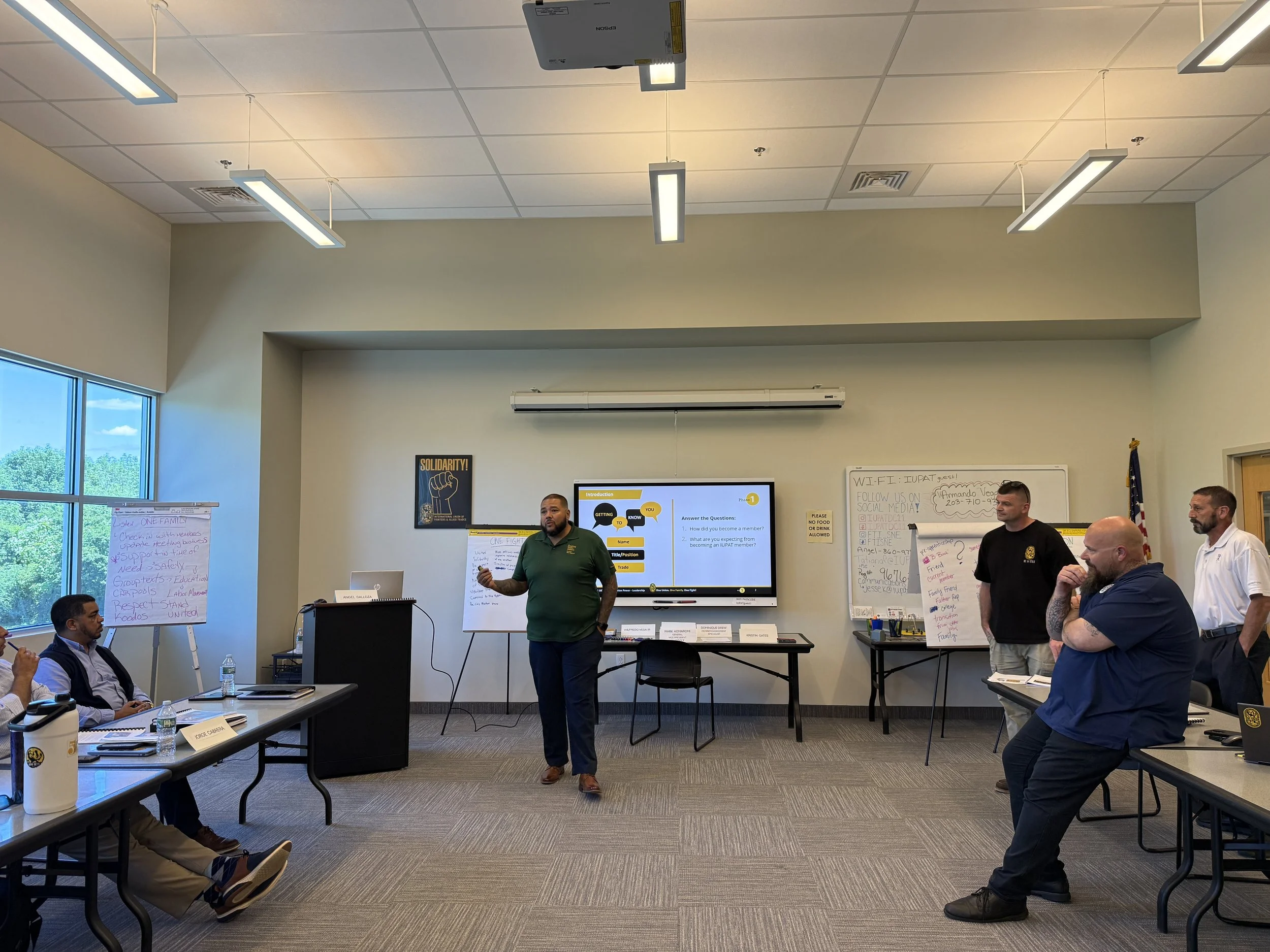
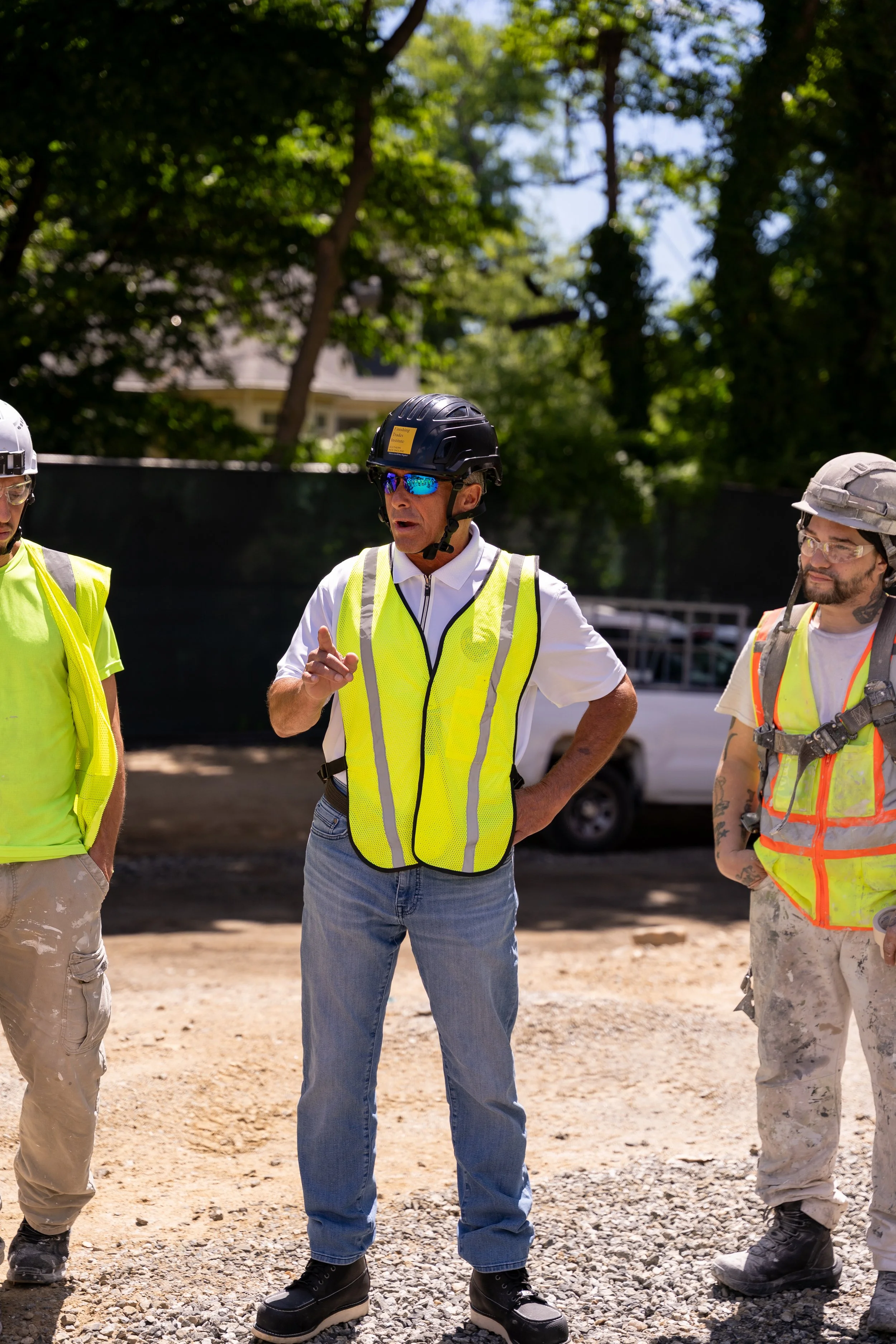
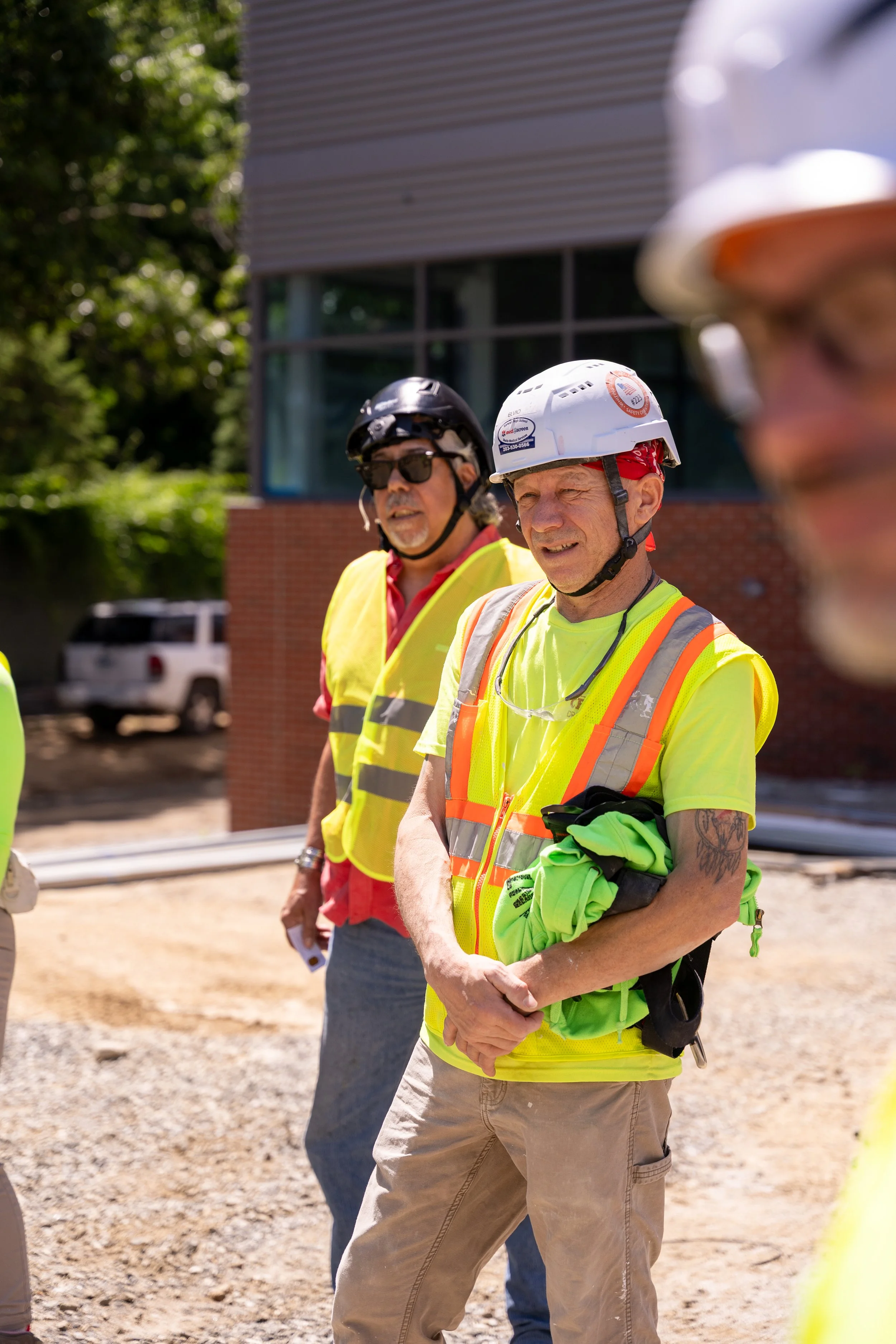
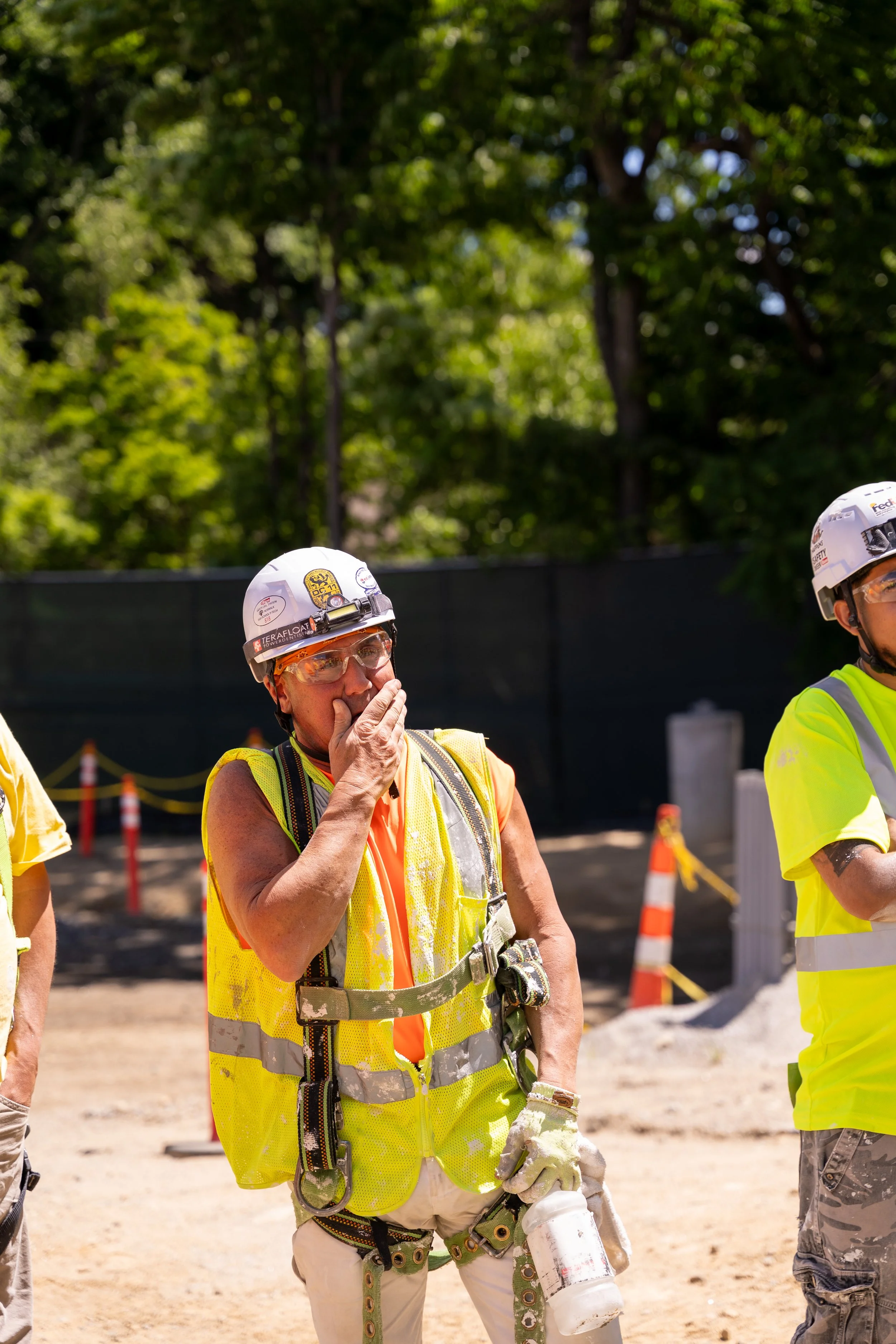
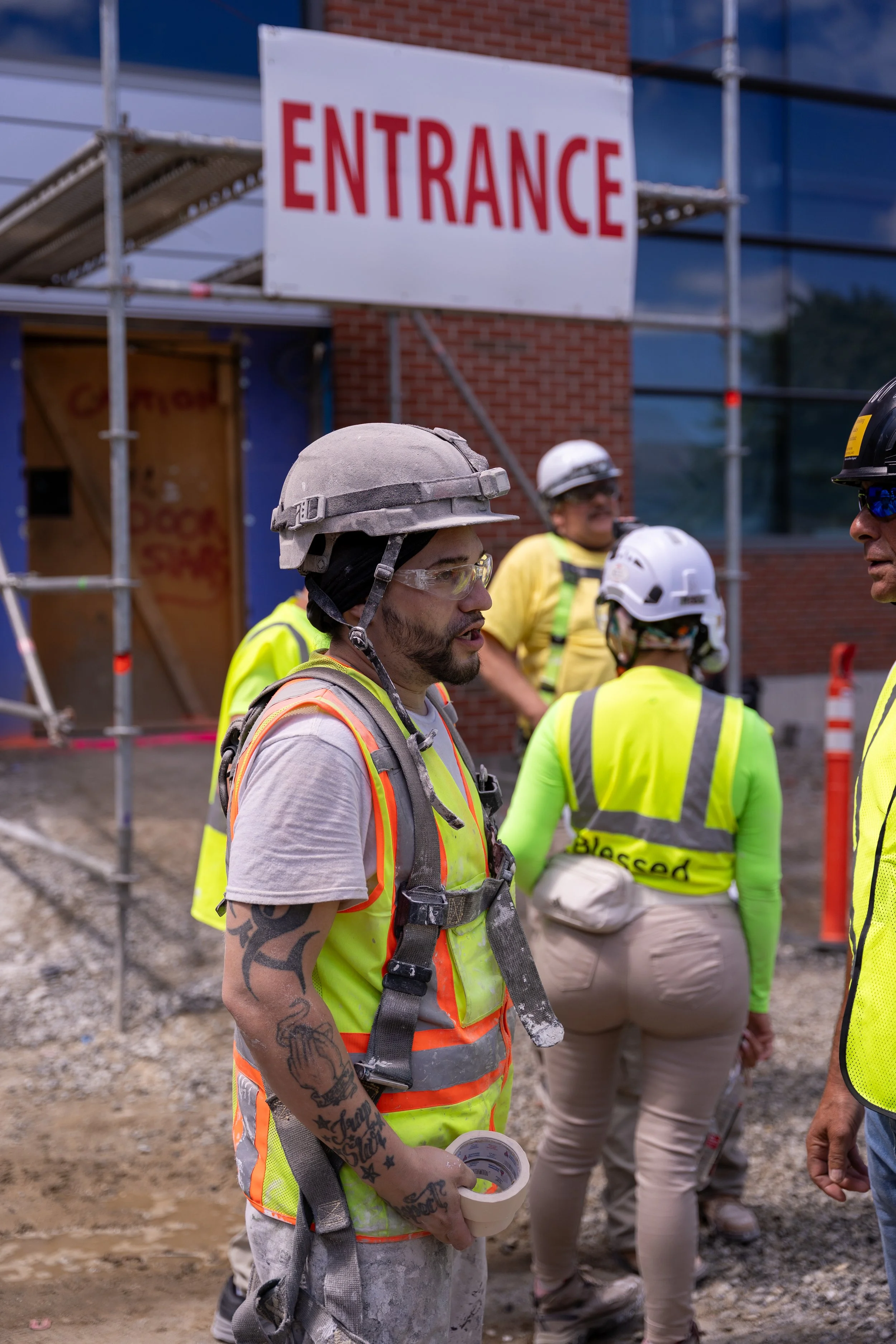
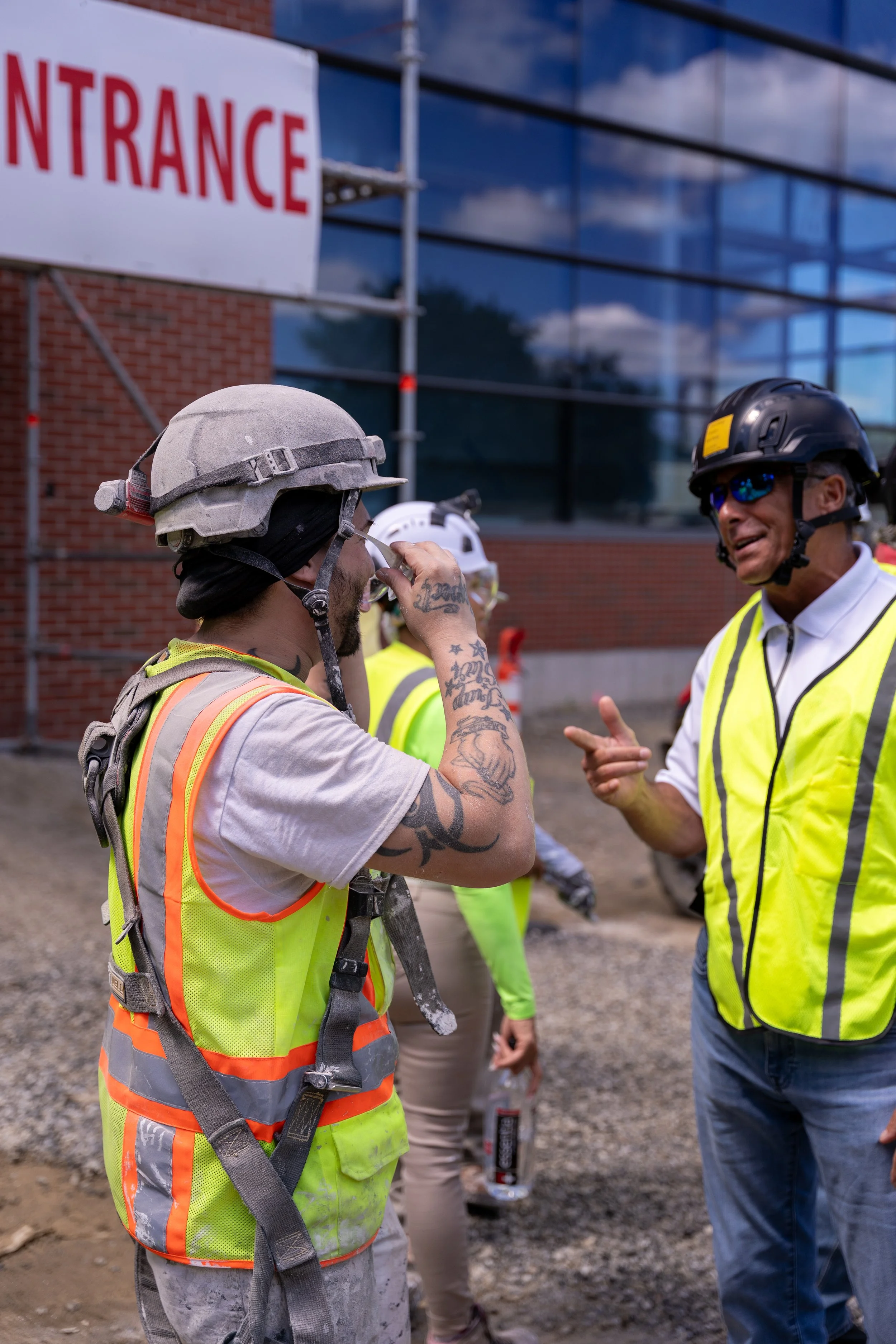
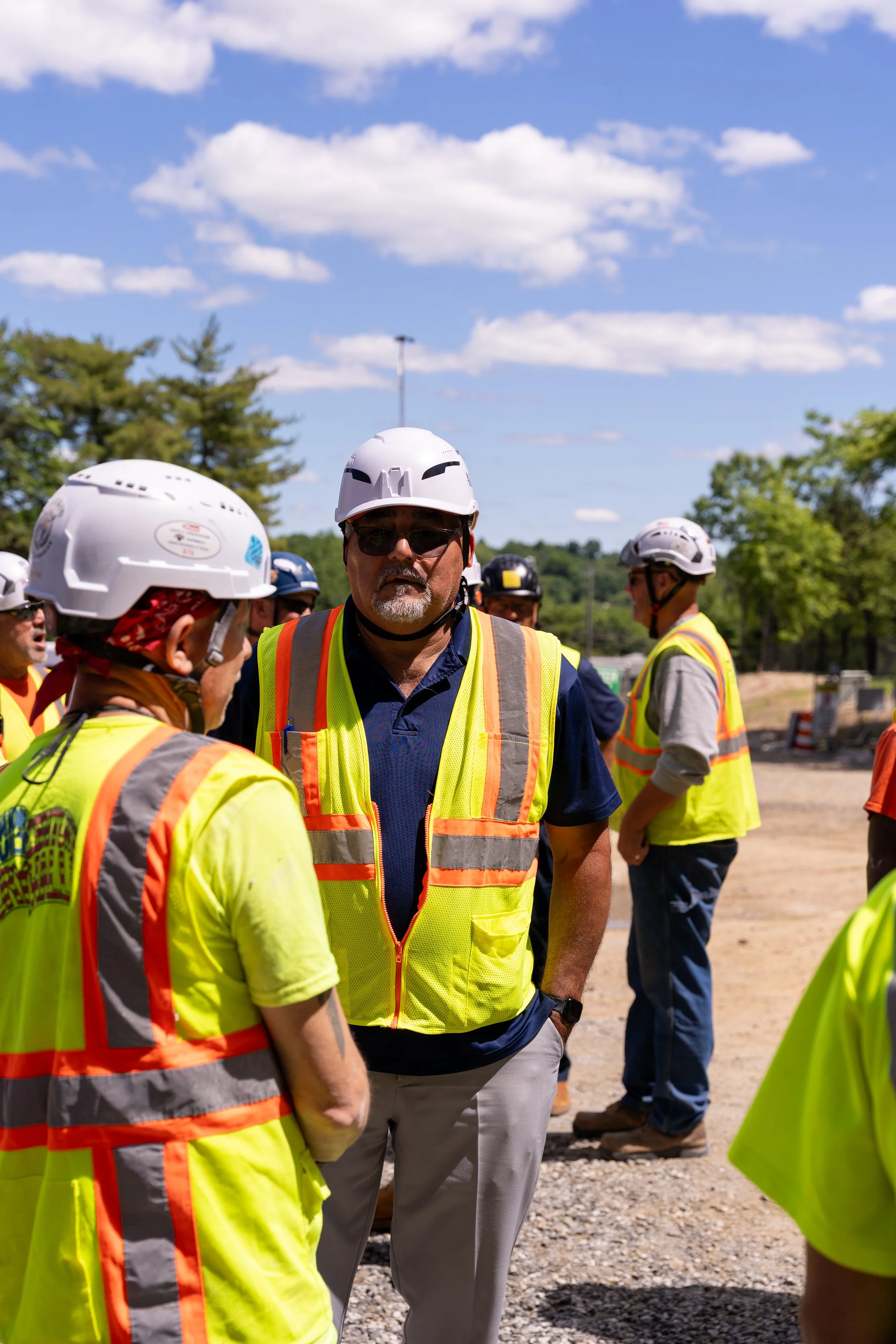
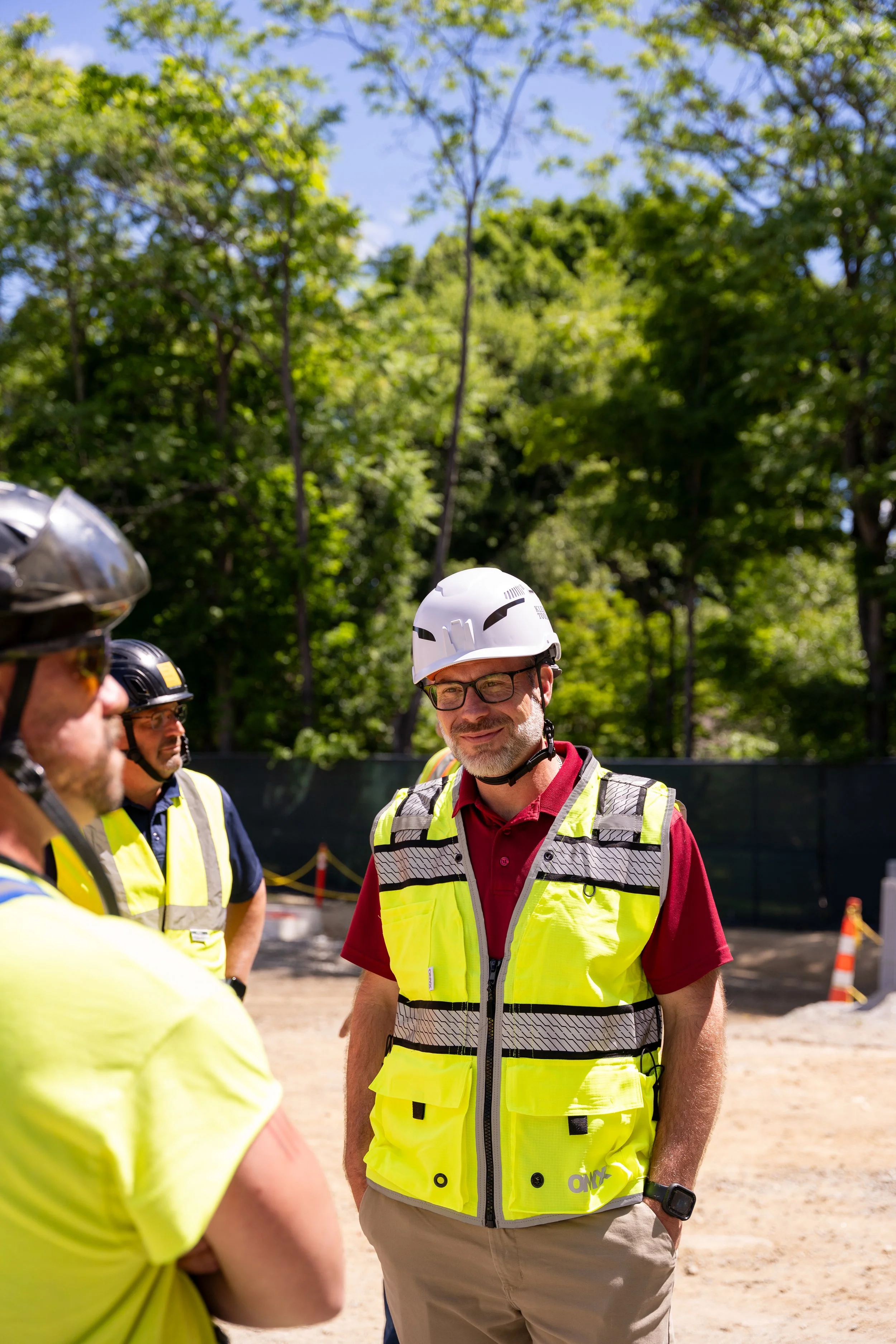
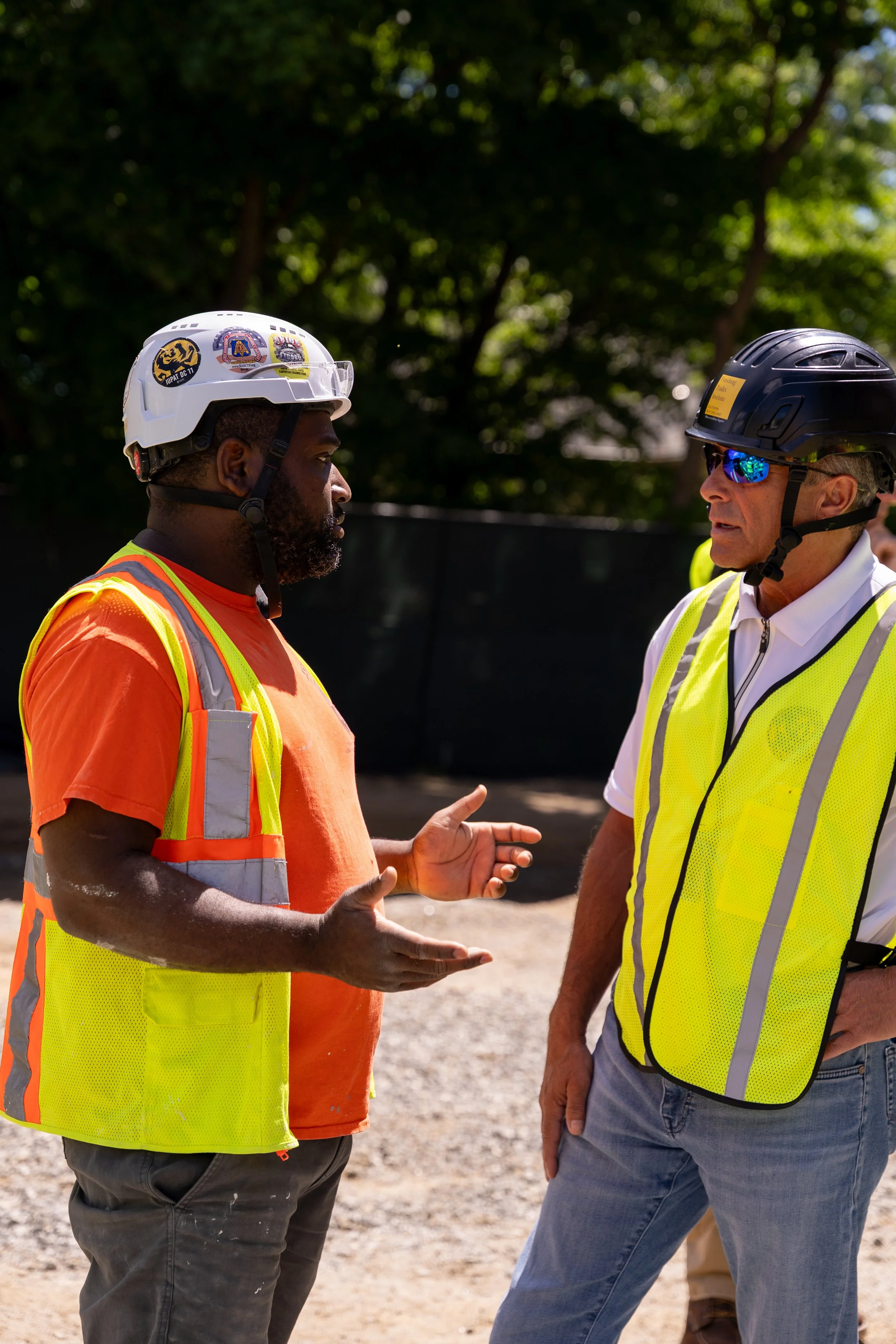
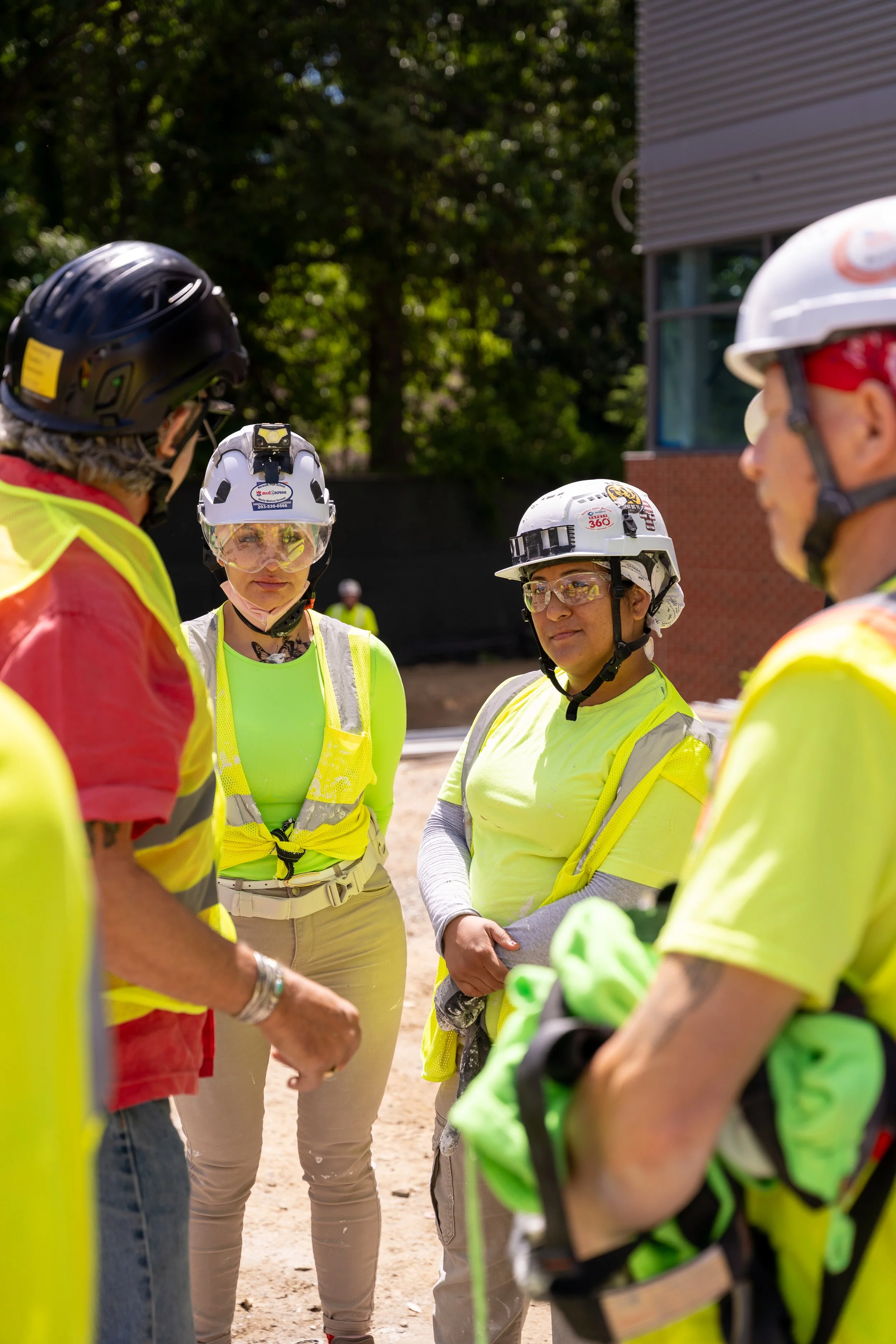
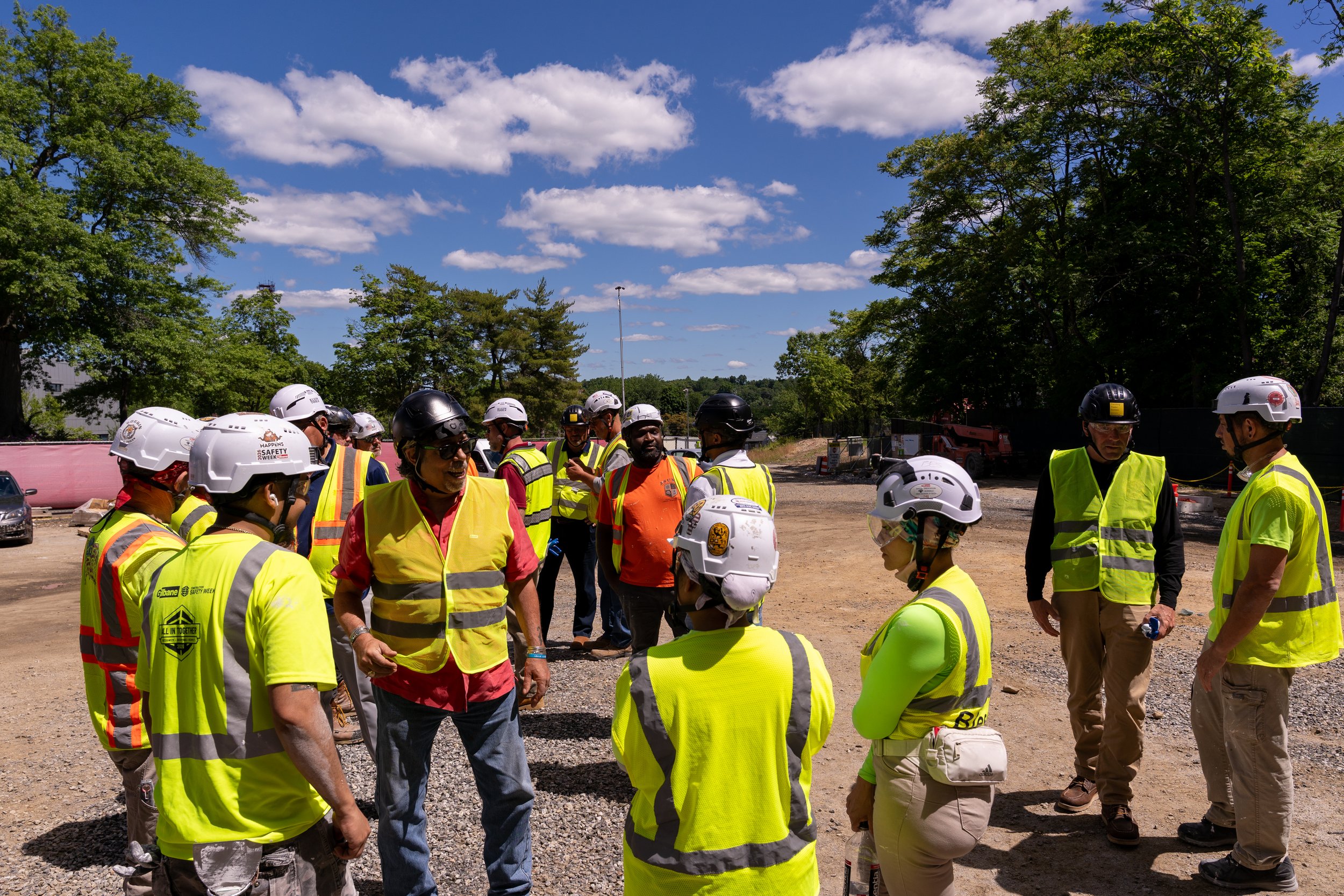
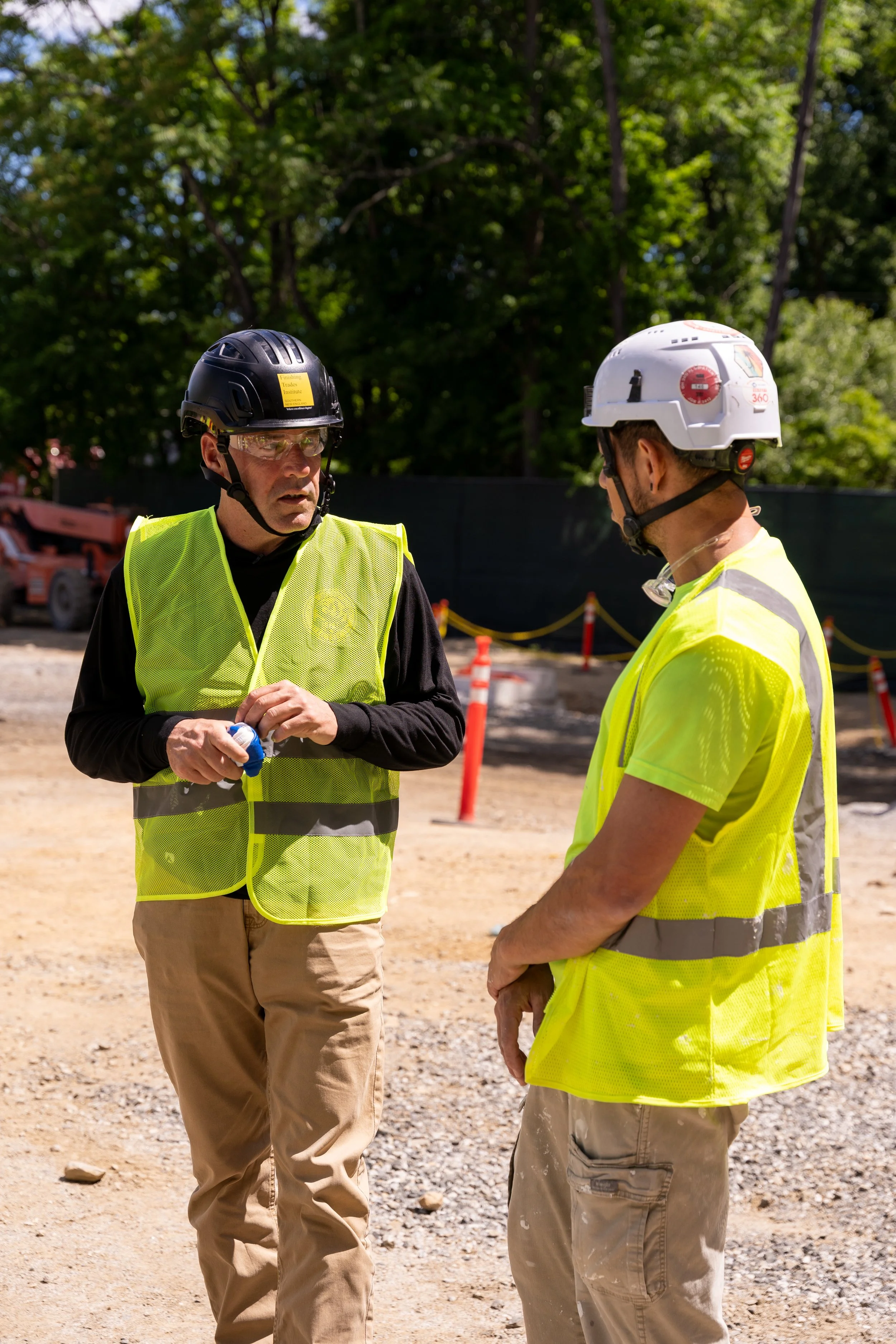
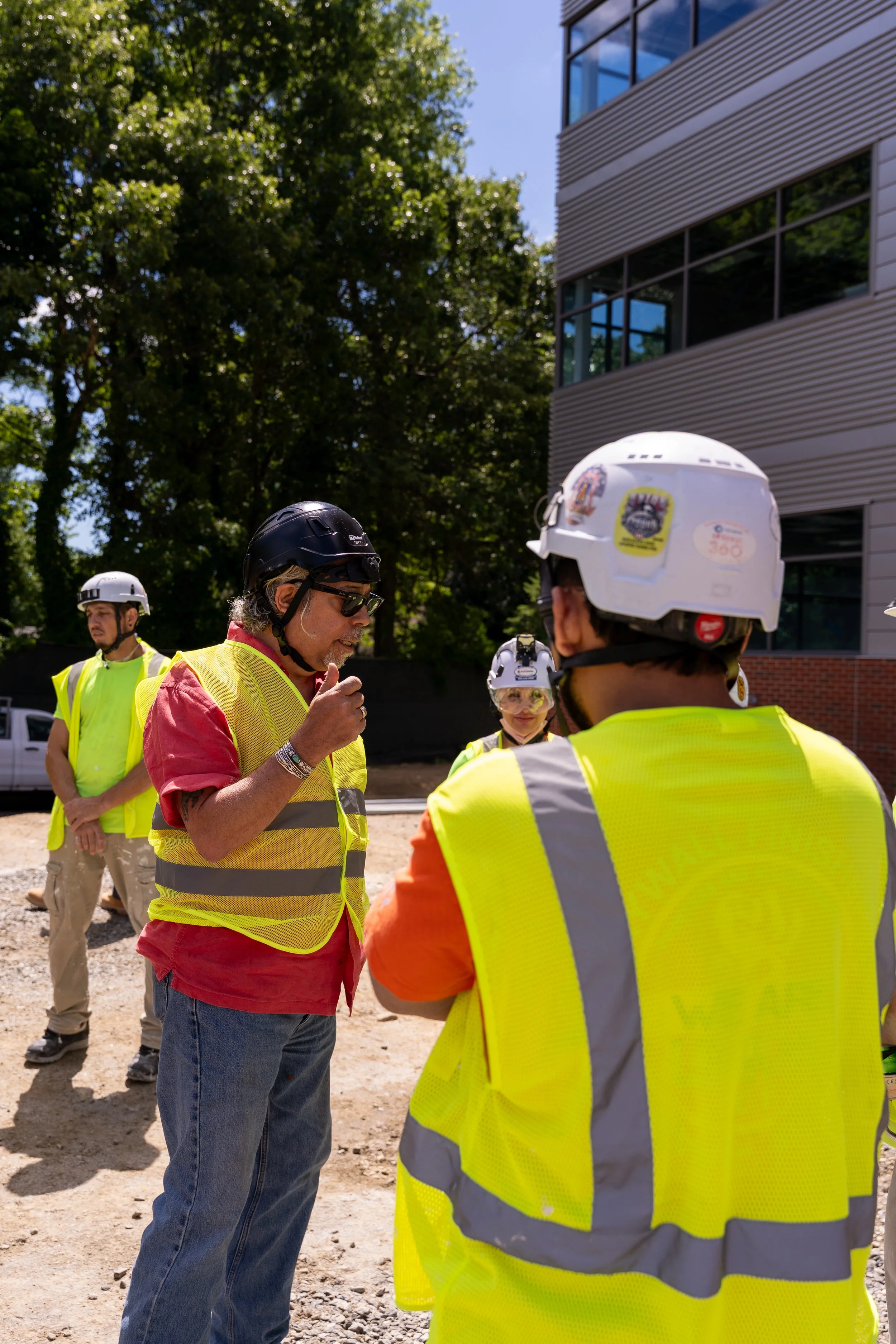
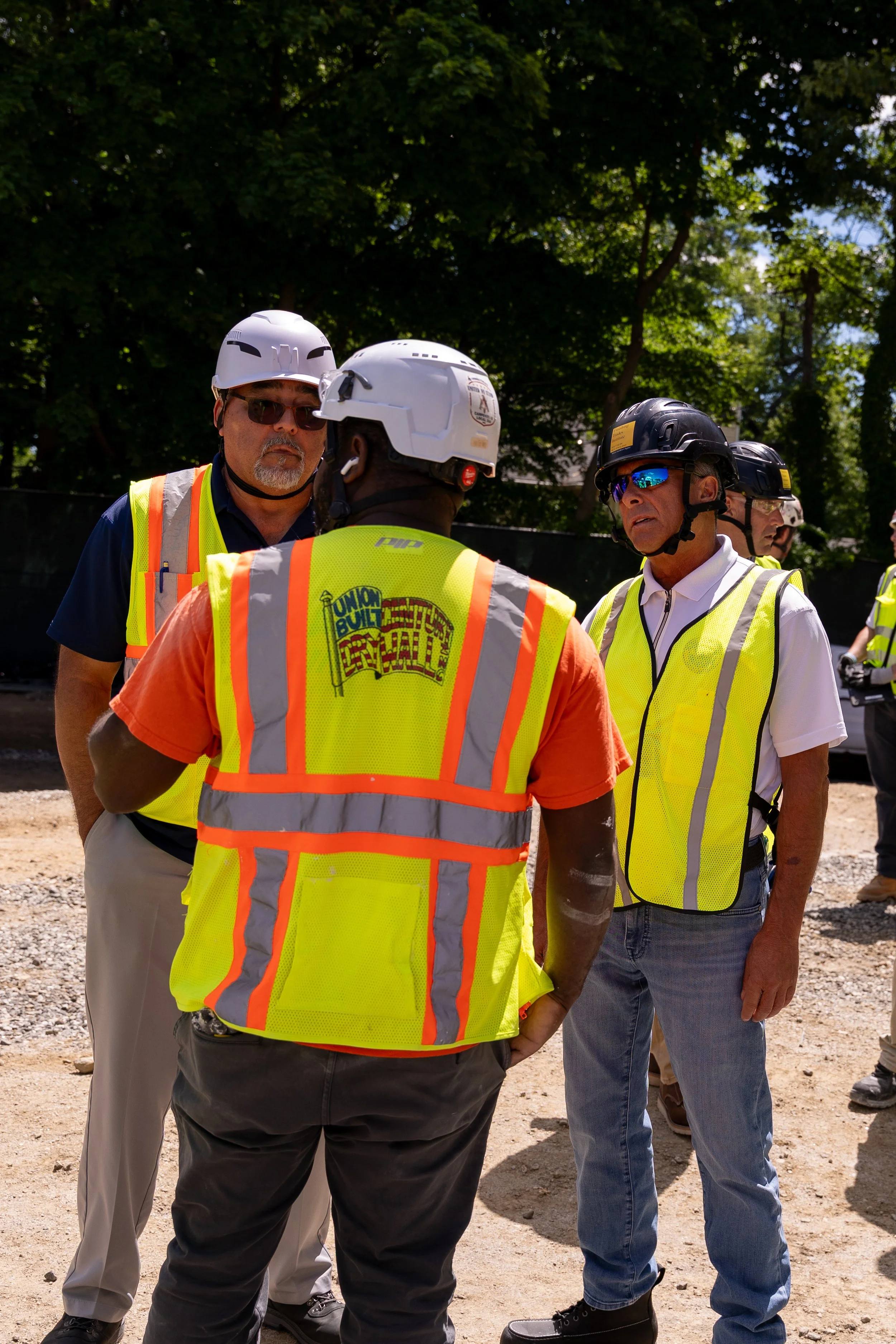
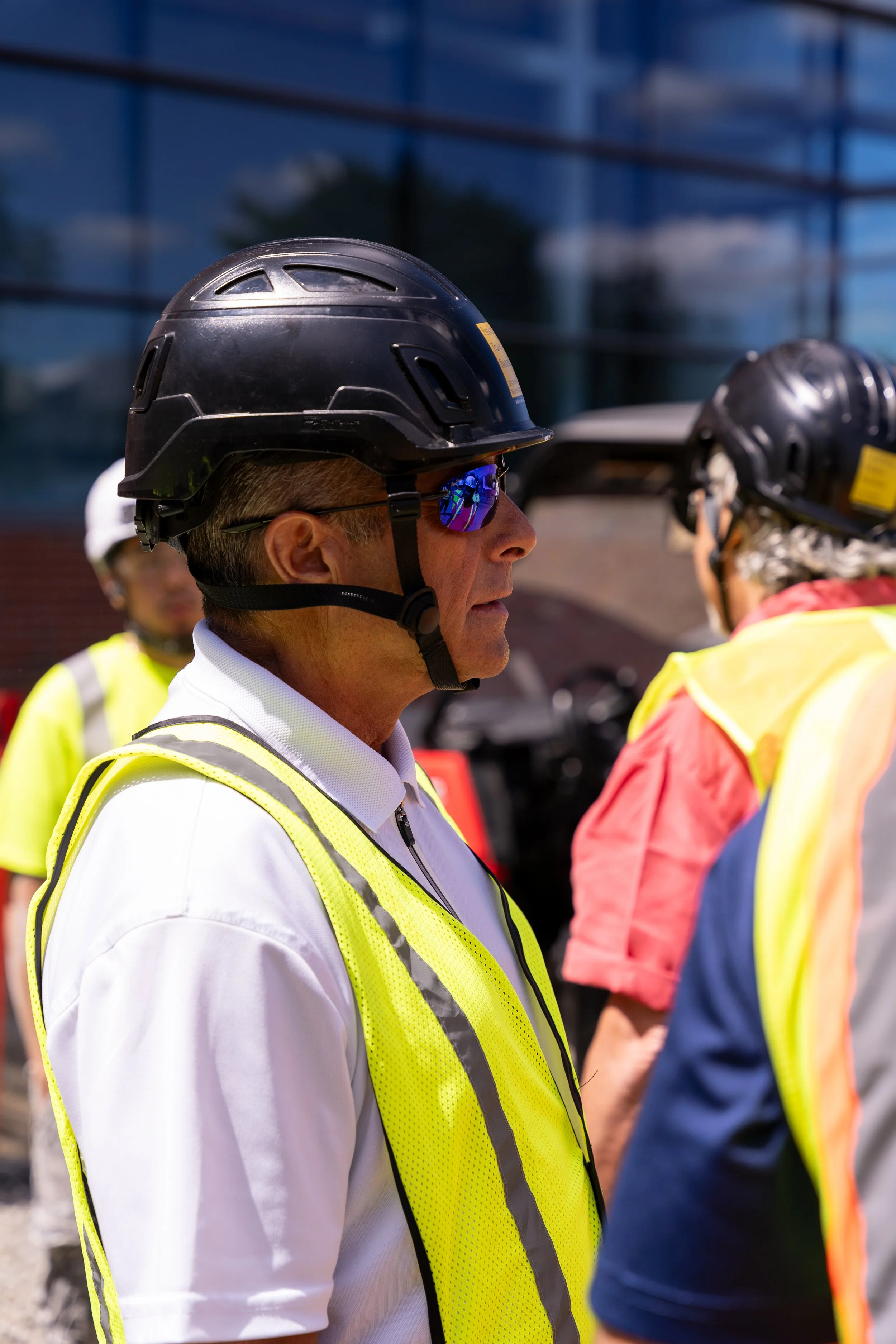
The heart of the week was Building Union Power, a training that's about to launch to all of our members and become a STAR credit class. GP Williams trained our entire DC 11 staff on it, then brought it straight to the people. He launched it to our delegates. He carried it into the Local 1274 and Local 195 union meetings, both open to every member who wanted to be in the room. Local 195's turnout in Rhode Island was something to see, not just their own members packing the place, but brothers, sisters, and siblings from other locals across the council showing up too. And in between, he hit the job sites. Several of them — L&L Painting, McKenzie Service Corp, Gilbane, and more, meeting members right where the work happens.
A history worth knowing
What made this land wasn't just the message. It was the education behind it.
GP Williams walked us through how we got here, real labor history, the kind that actually explains the trades we work in today. There was a time, back in the 1940s, when unions were one of the most powerful forces in this country. In 1947, nearly 87% of construction workers belonged to a union. Massive membership. Real leverage. And then came the slow dismantling.
He didn't sugarcoat it. Taft-Hartley, he told us, was the most destructive bill ever passed by the government for labor unions. In his words, it put "handcuffs on labor unions" - it gave states the right to adopt so-called "right to work," which defunds our organizations so we don't have enough money to bargain stronger agreements or deliver for members. It put restrictions on what we can do during organizing campaigns. It made secondary boycotting illegal, so unions couldn't stand up and support one another the way we used to. It limited how much pressure working people could put on the economy, the very leverage that built the middle class.
And "right to work" didn't come from nowhere. GP Williams was honest about its ugly roots, how it was pushed with racist appeals designed to divide workers, to pull white workers away from organizing alongside Black workers, to keep us split so we'd be weaker. Divide and conquer, aimed straight at solidarity.
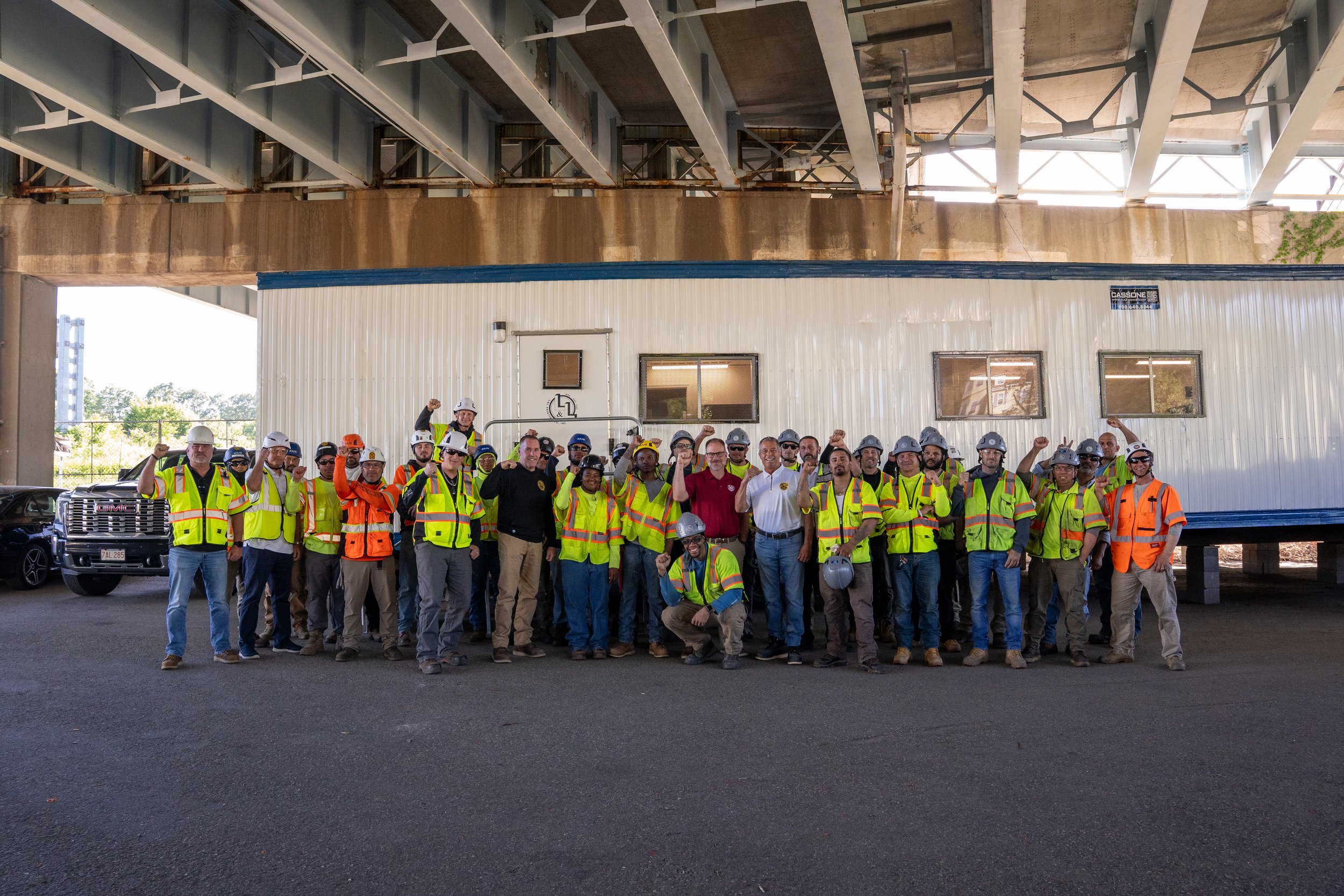
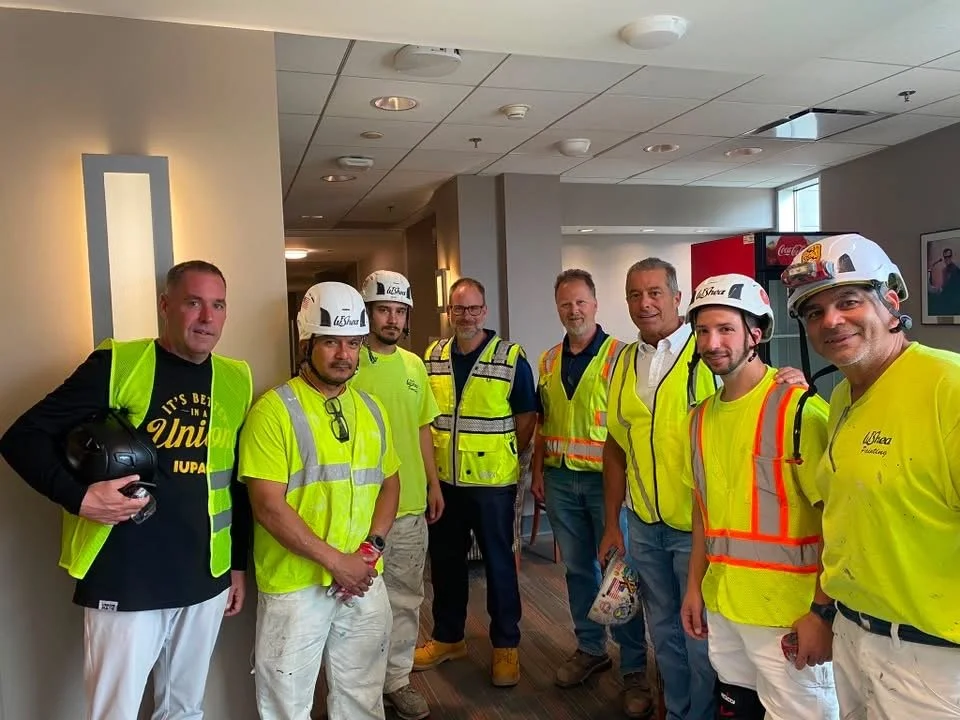
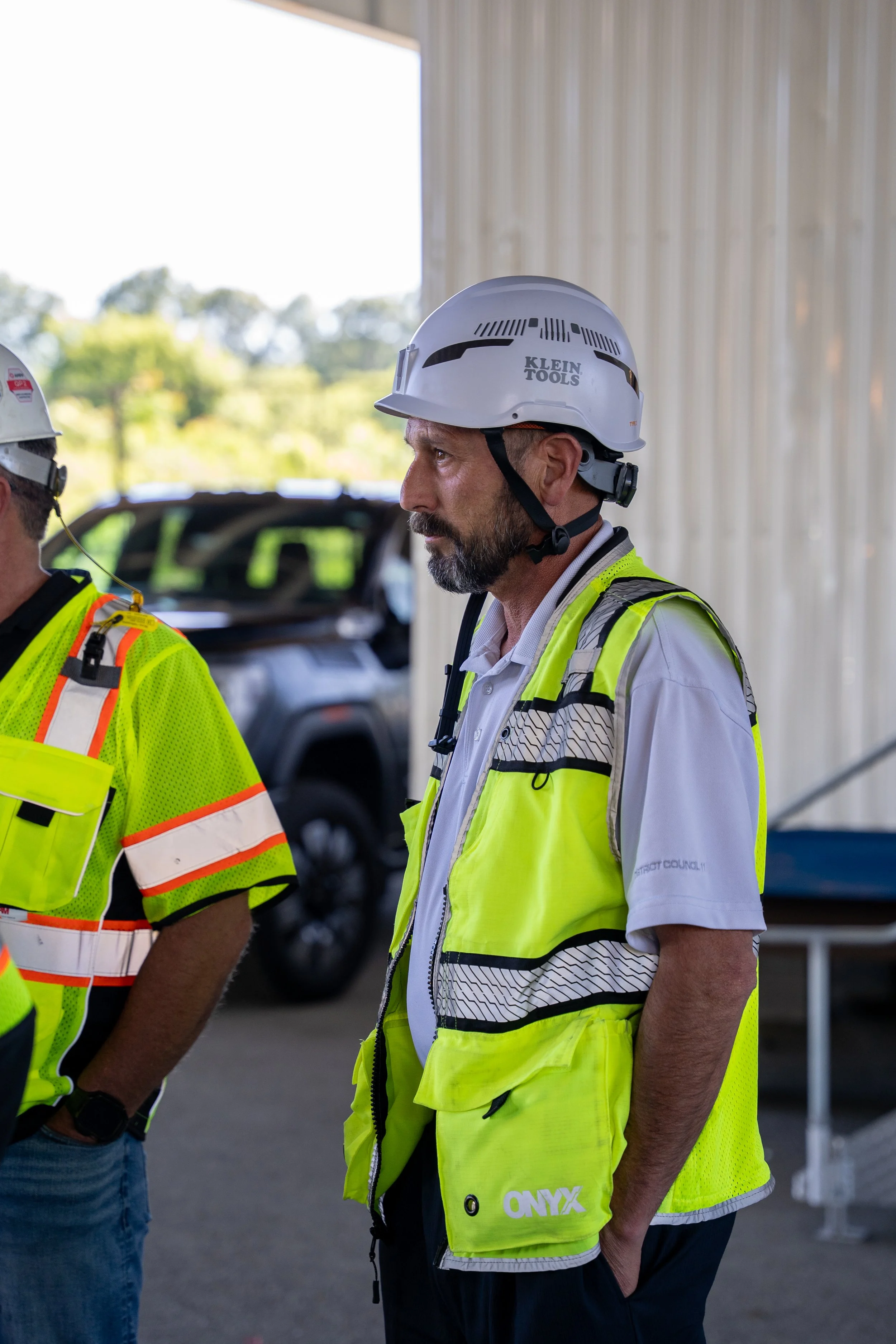
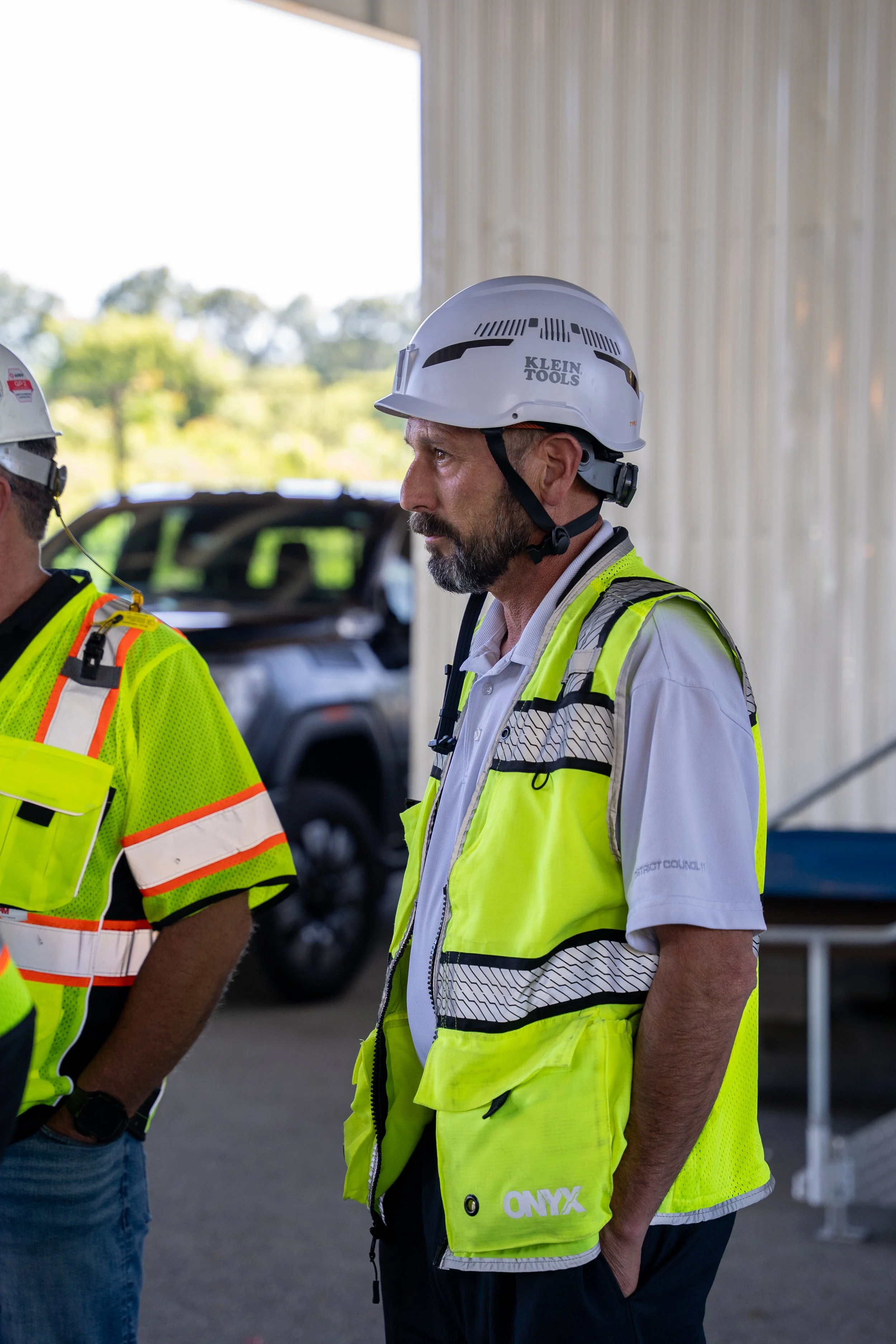
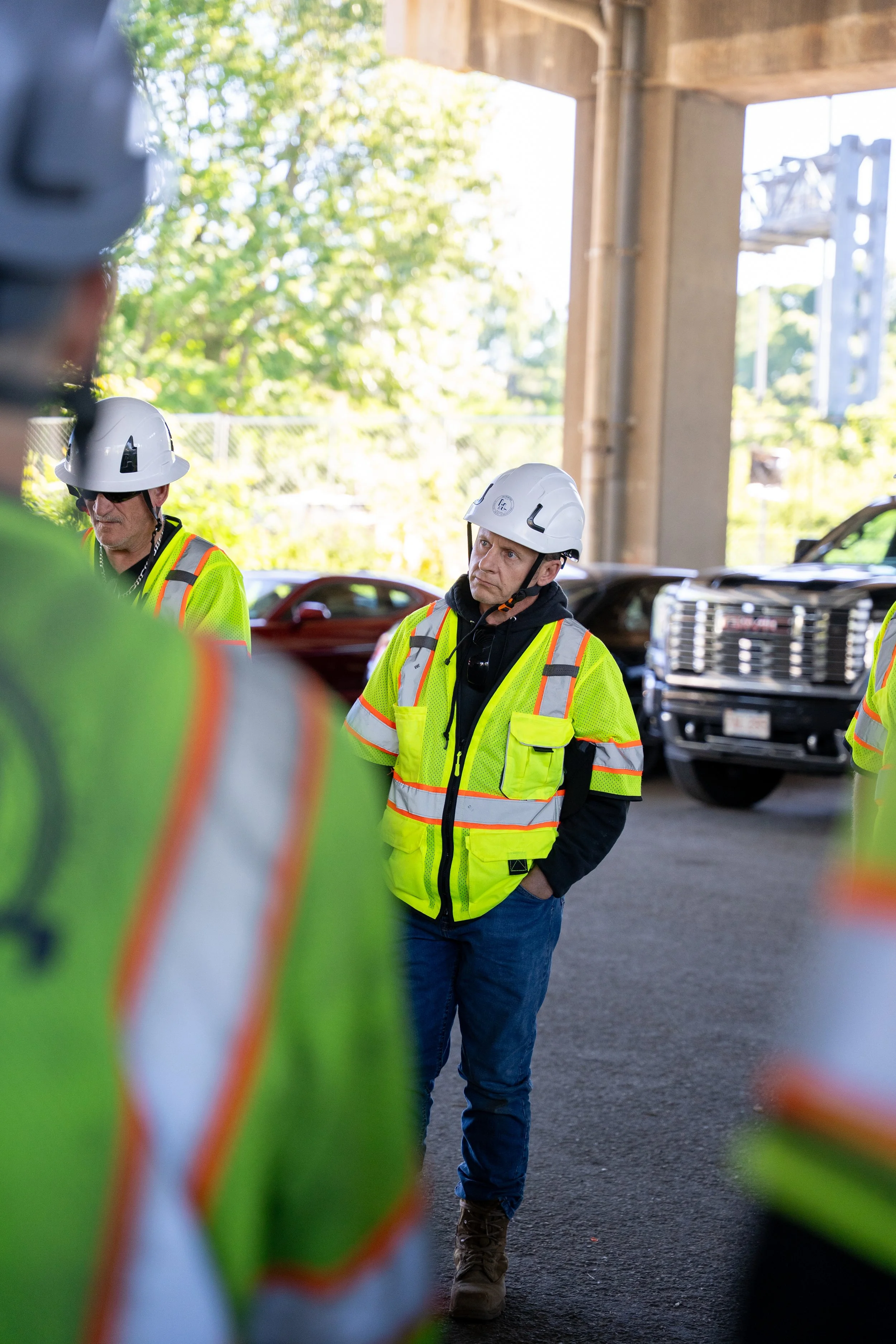
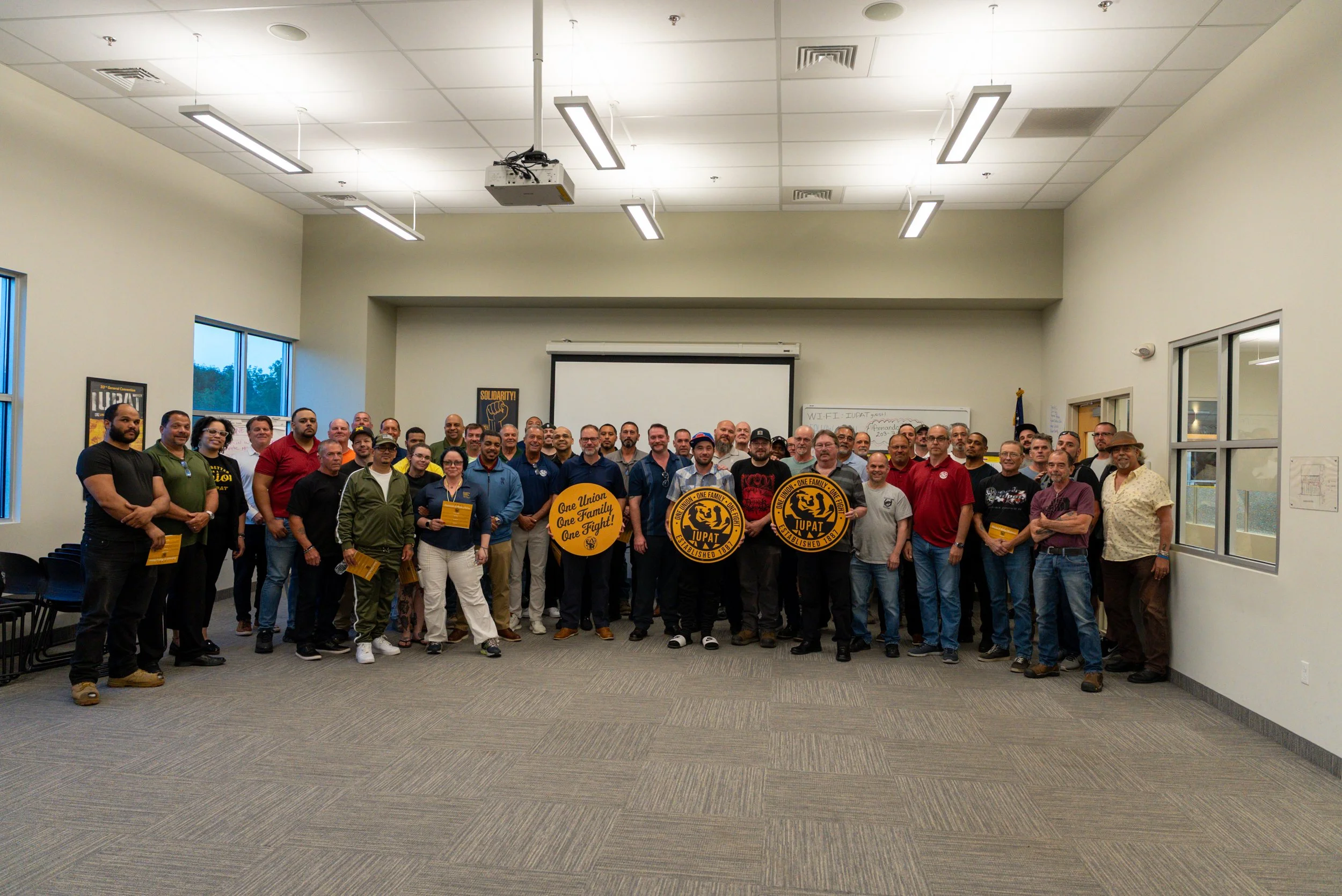
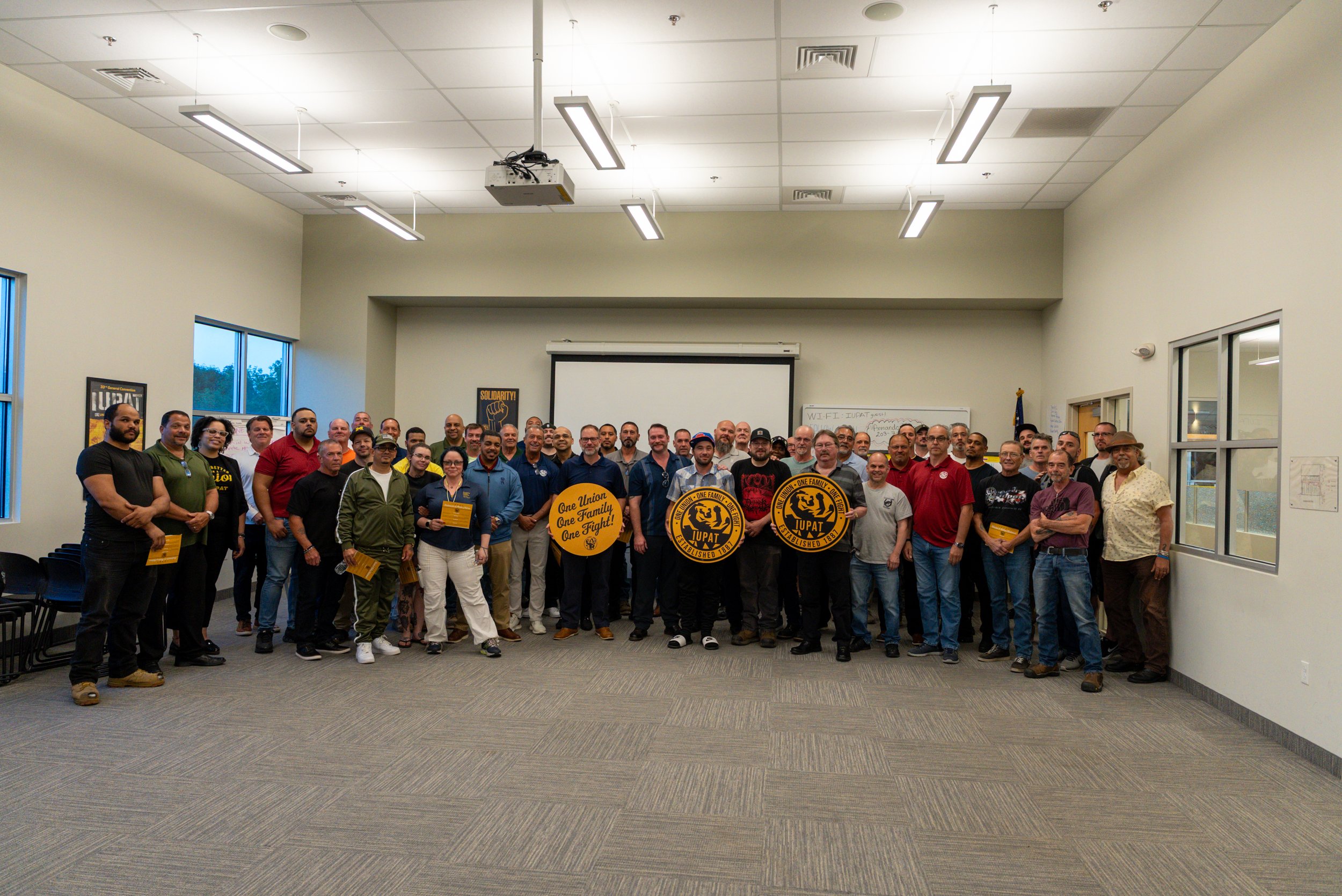
GP Jimmy Williams, BM/ST Jason Werthman, GP of the Eastern Region Paul Canning, DC 11 Bridge Painters working at L&L Painting, + staff.
He named names and dates, too. One that stuck with a lot of us was the PATCO strike of 1981. More than 13,000 air traffic controllers walked off the job, they were working brutal, exhausting hours on safety-critical work, and one of the things they were fighting for was a shorter workweek. Instead of coming to the table, President Reagan gave them 48 hours to return, then fired over 11,000 of them and banned them from ever being rehired. Their union was wiped out. That moment sent a message to corporations across the country: break your workers, and the government will have your back. Strikebreaking went mainstream almost overnight… within a year it was being taught in business schools, and major strikes dropped from around 300 a year to a fraction of that. It was a gut-punch the whole labor movement felt for decades.
Then came NAFTA, corporations chasing cheap labor and higher profits overseas, America losing jobs, exploitable labor outside our borders. Alongside it, immigration pressures concentrated in right-to-work states like Texas, Arizona, Florida, and across the Southeast, where unions had already been stripped away and no protections existed. The result was a rise in worker misclassification and a race to the bottom that we're still fighting today.
It's heavy history. But hearing it laid out, how all these pieces connected to knock unions down, was genuinely eye-opening. And the throughline GP Williams wasn't shy about drawing: at critical moments, the government was right there helping to shatter the very unions that built the middle class. He doesn't dance around it. He's transparent, he's honest, and he tells the truth as he sees it, even when it's uncomfortable. You can't reclaim your power until you understand how it was taken.
Our own story
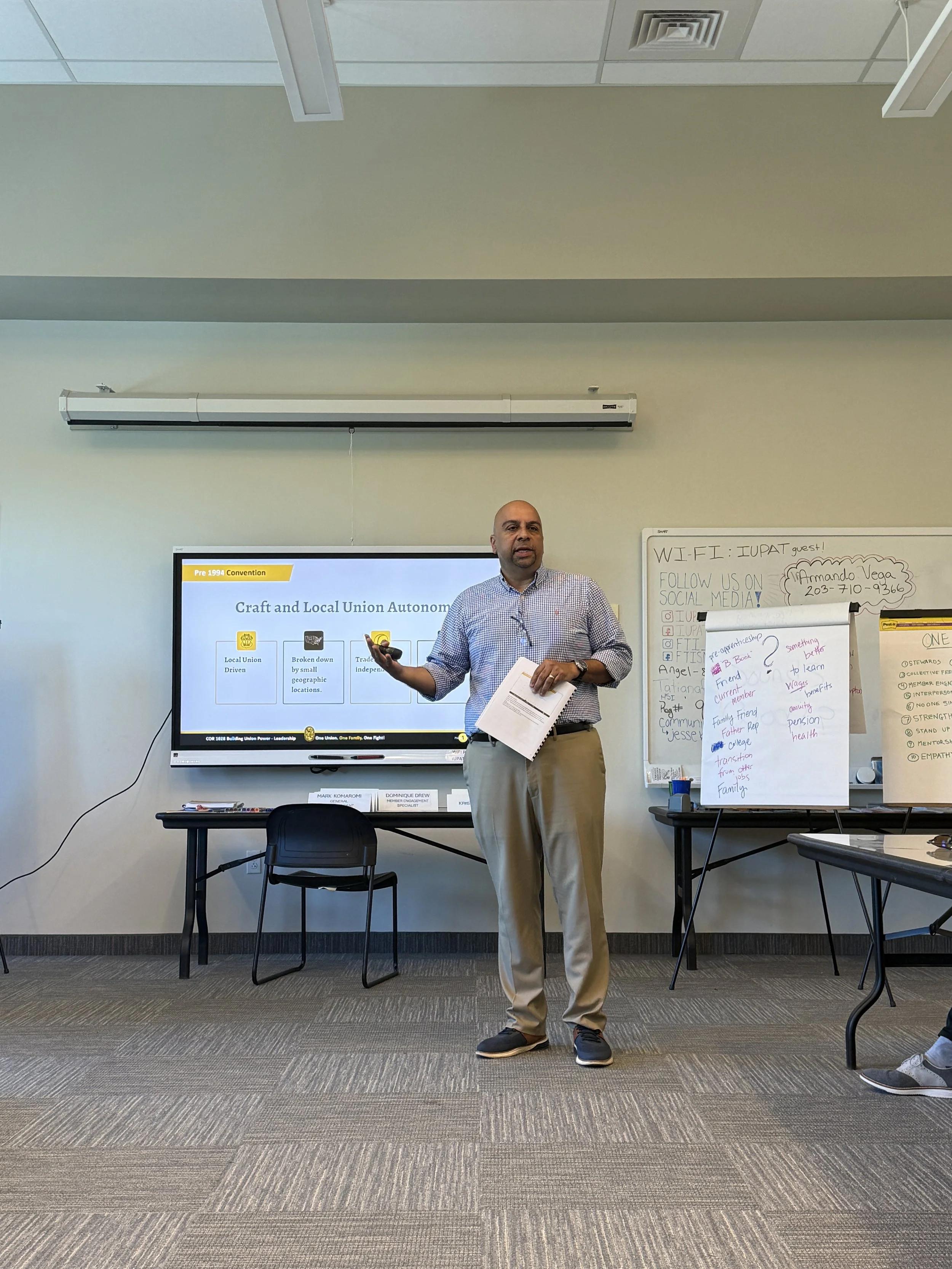
GP Williams also walked us through the history of our own union.
Before 1994, the IUPAT was local-union driven. We were broken down into small geographic locations, trades operated independently, and resources were limited. Every local was essentially on its own. Then leadership made a decision that changed everything: they created the district council affiliations of local unions, bringing those scattered locals together under one jurisdiction, one roof. As GP Williams put it, "These leaders saved our unions, brought everyone under one room - collective bargaining agreements, apprenticeship and training funds." Members would now share the same rights, the same safety standards, the same wages. Everything became fairer and safer with shared resources (no more painters don’t have resources but the glaziers do) which mattered enormously in a right-to-work landscape that had shattered so many unions. That decision created the pathway we're all standing on today.
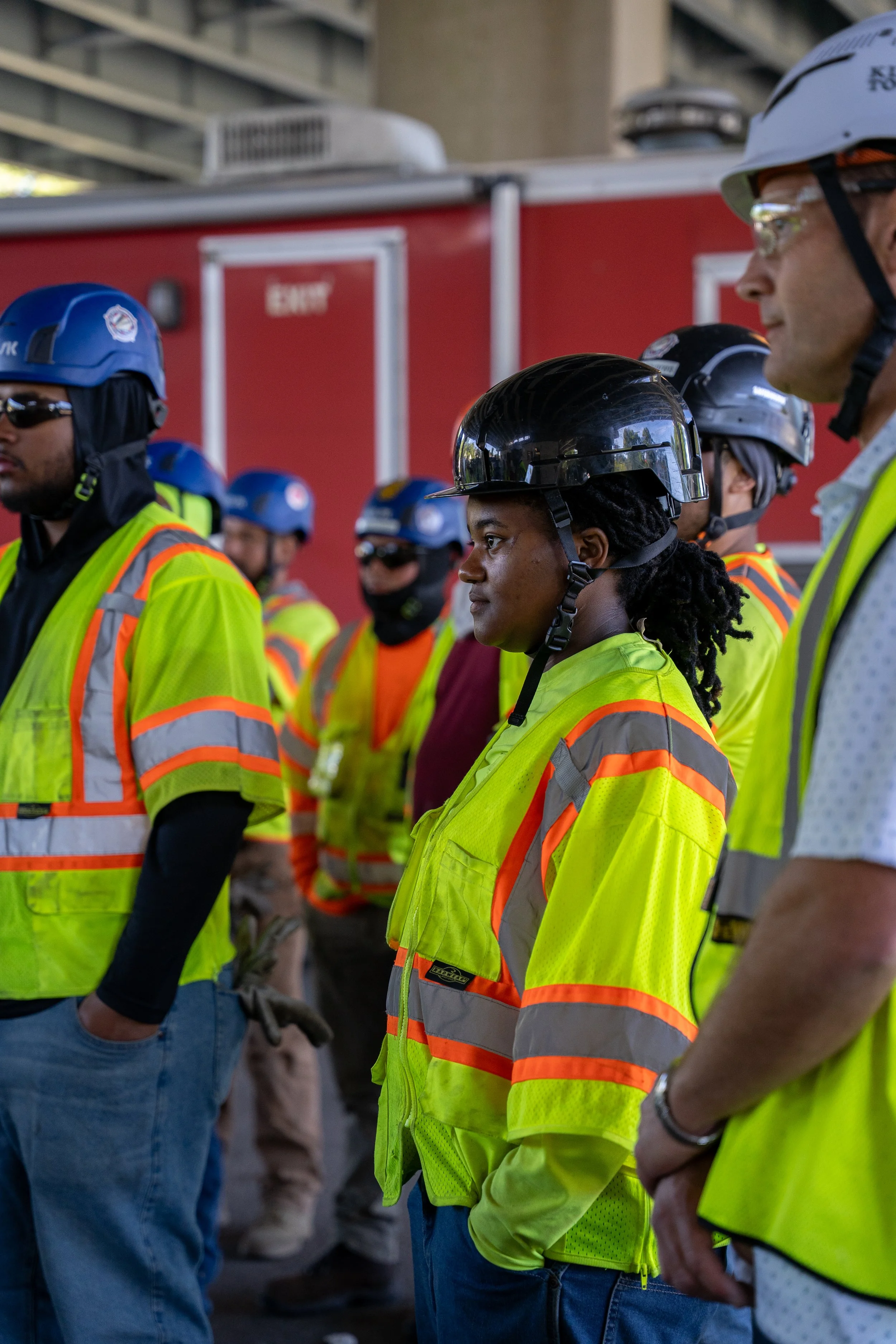
And in 1999, we changed our name from a "Brotherhood" to a "One Union": a deliberate move toward inclusion, recognizing the women and the members who don't identify as a "brother," making sure everyone felt they belonged. Because one union means all of us.
What we stand for
All of that history leads somewhere, to a clear mission and a set of values GP Williams came to put back at the center of everything.
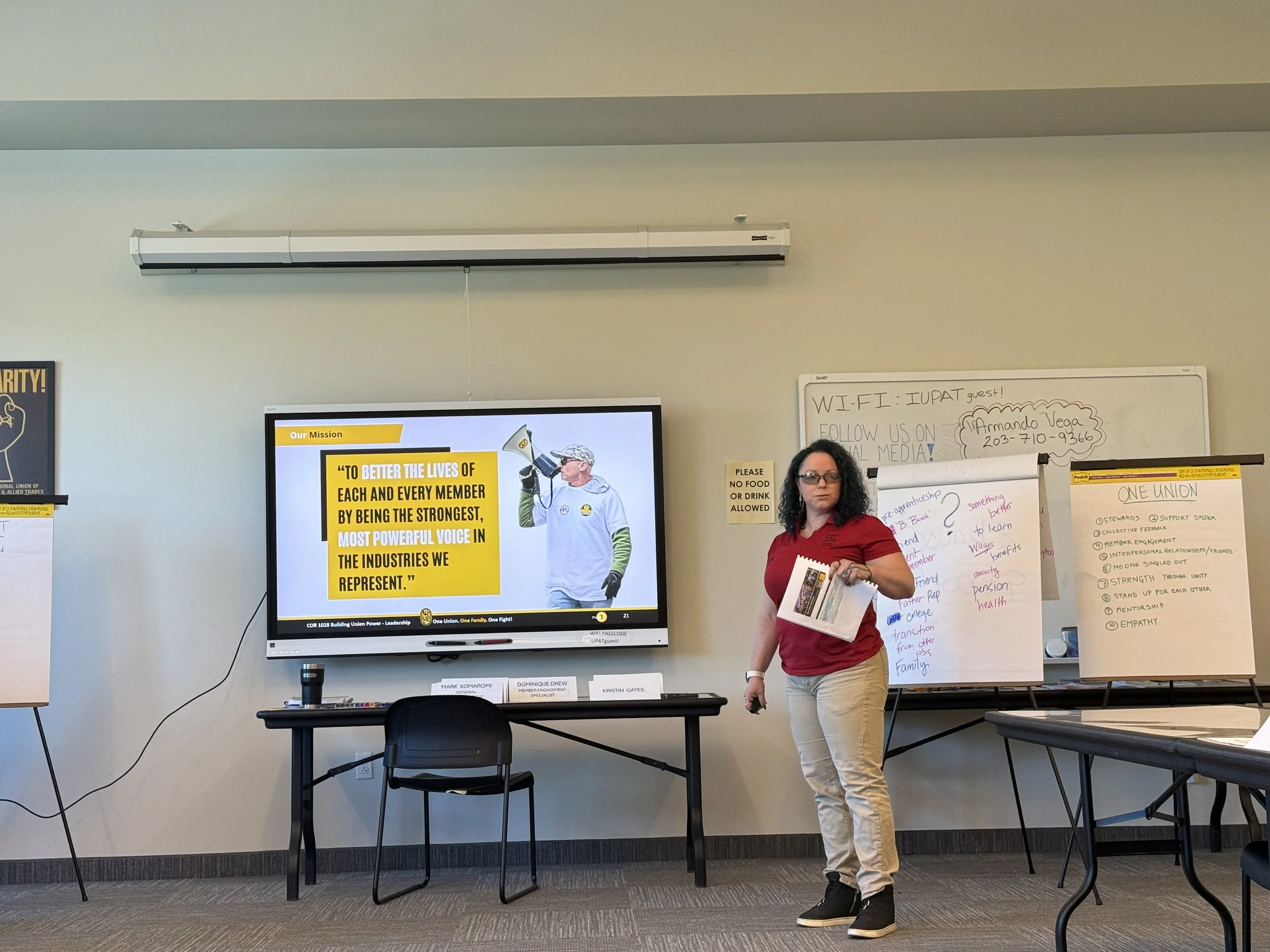
The mission is simple: to better the lives of each and every member by being the strongest, most powerful voice in the industries we represent.
And the values are the heart of this whole campaign:
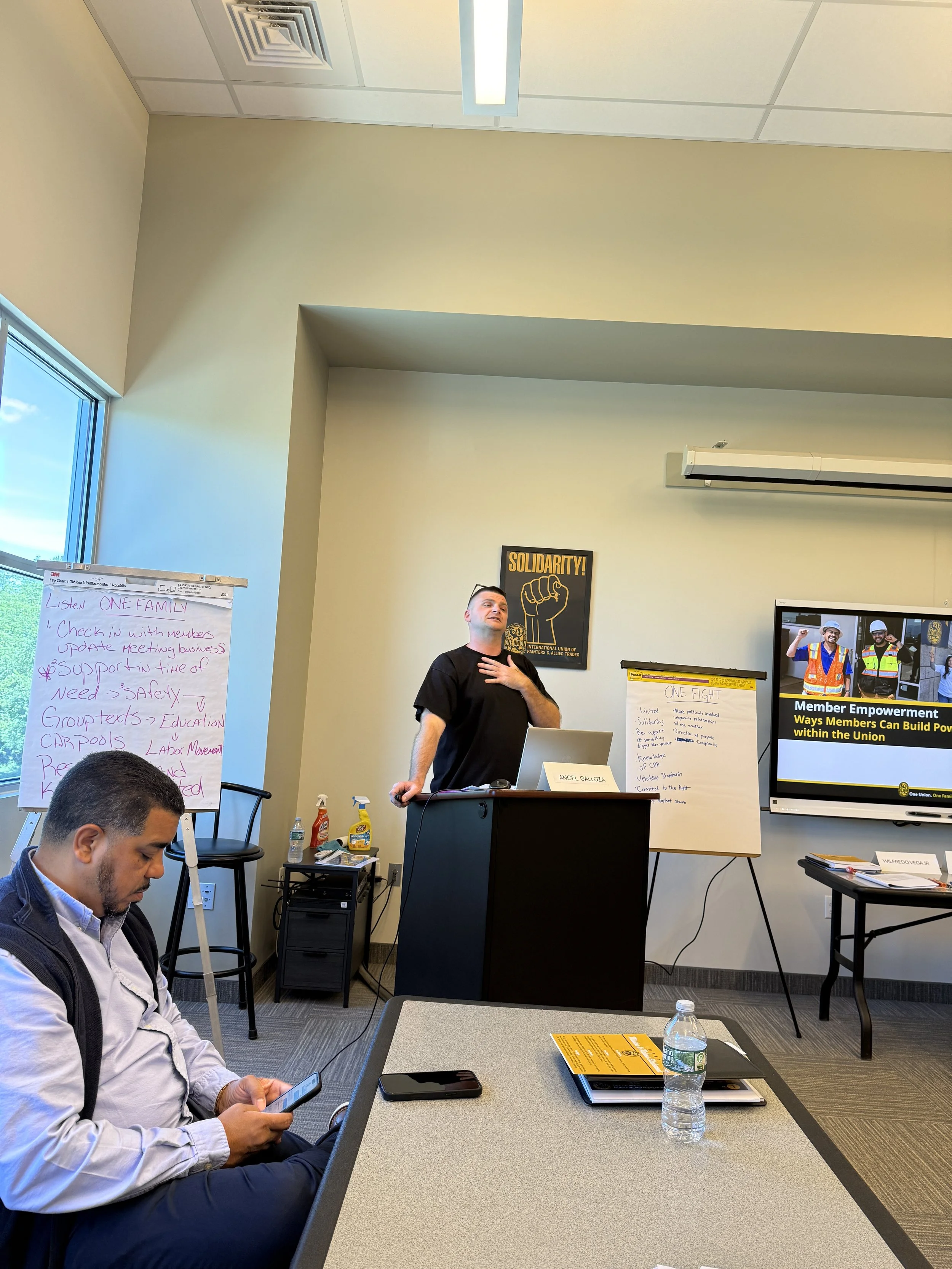
One Union, One Family, One Fight.
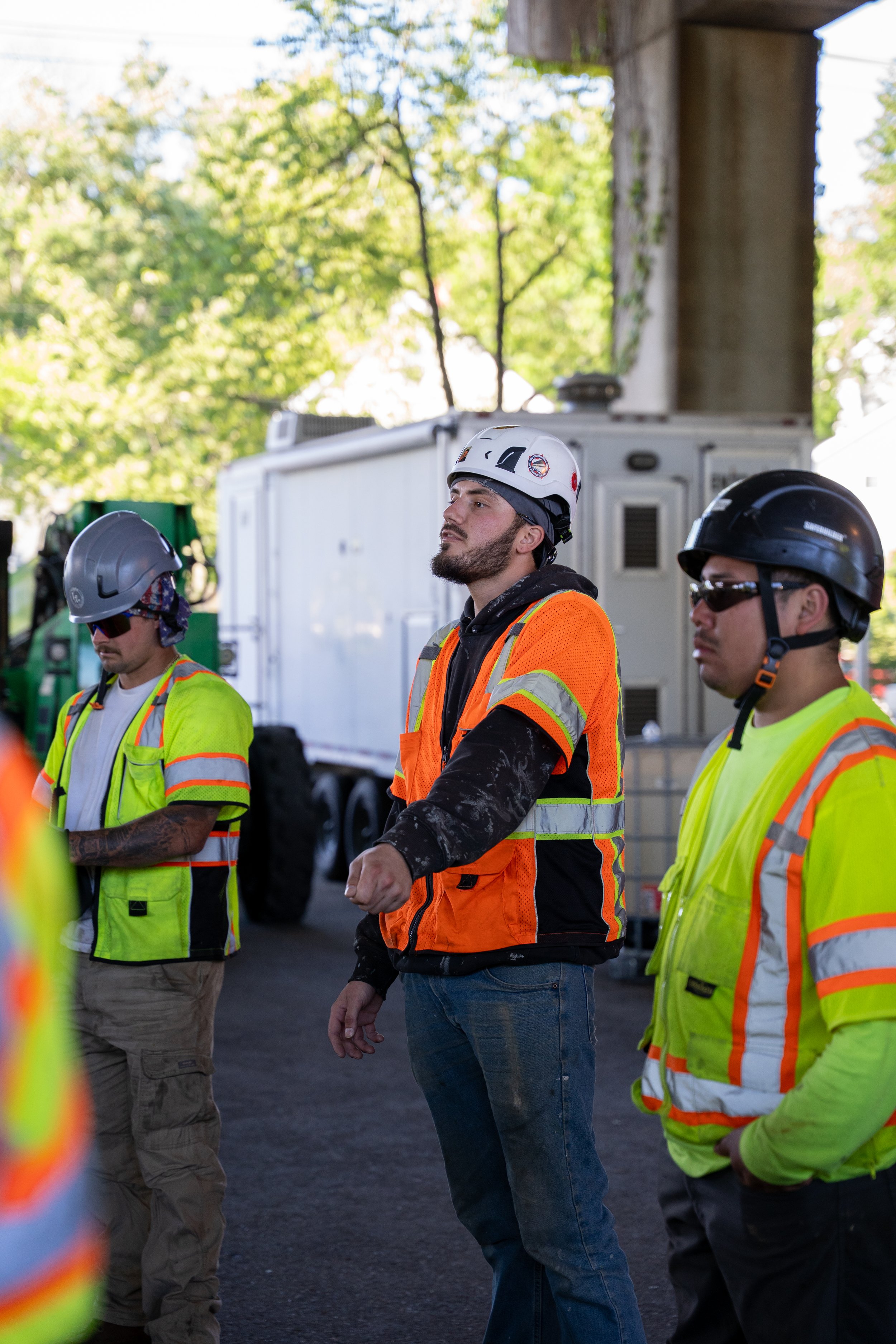
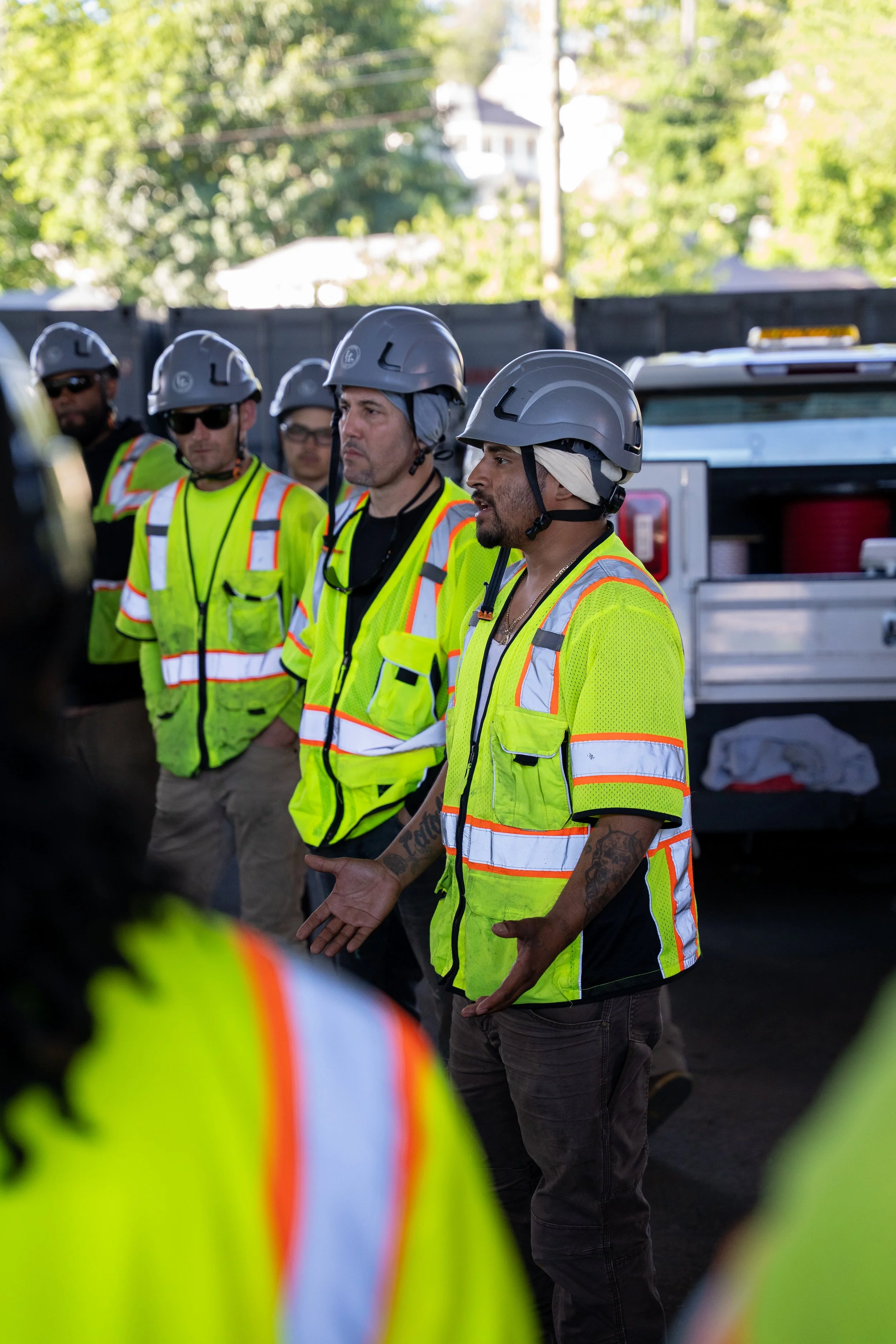
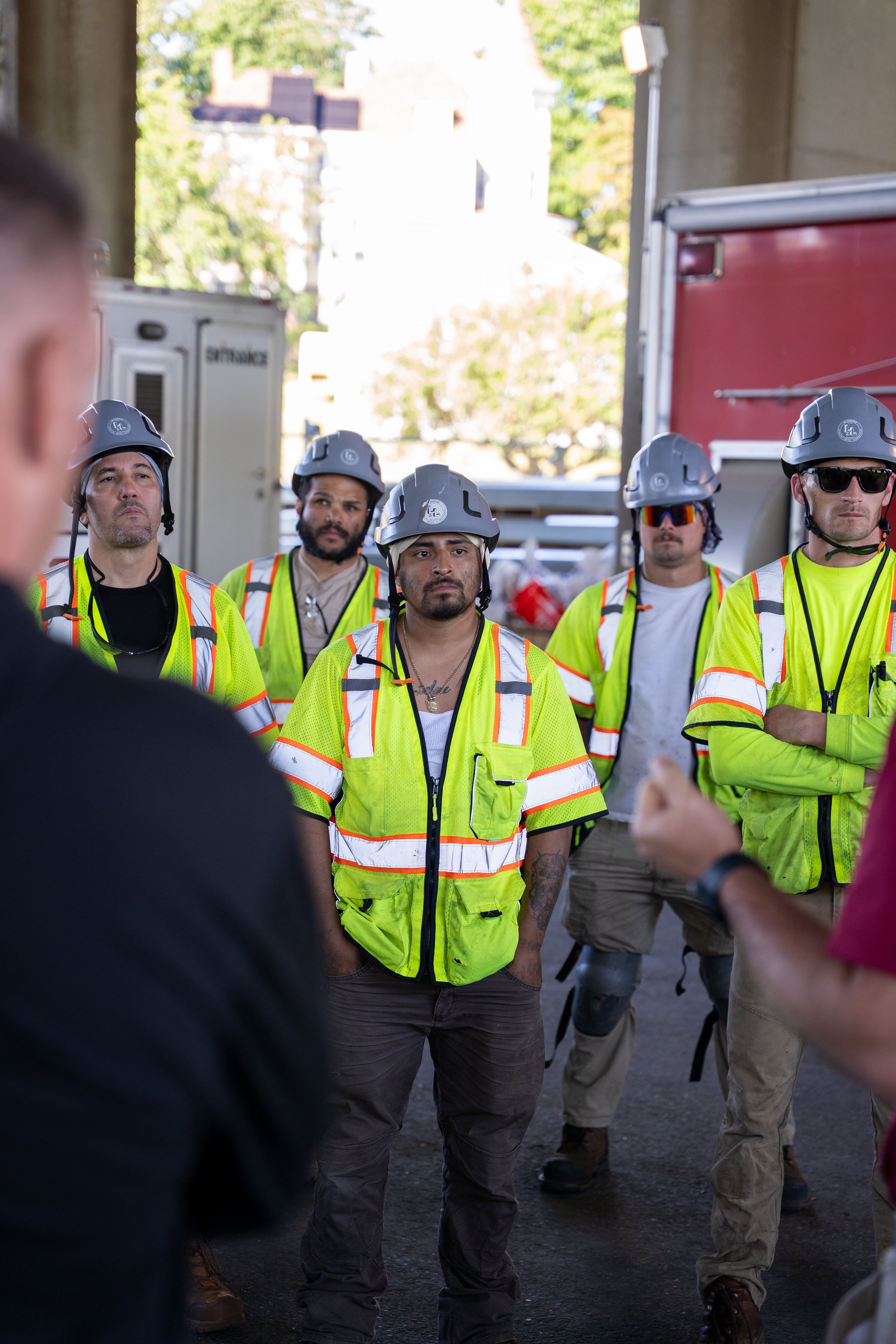
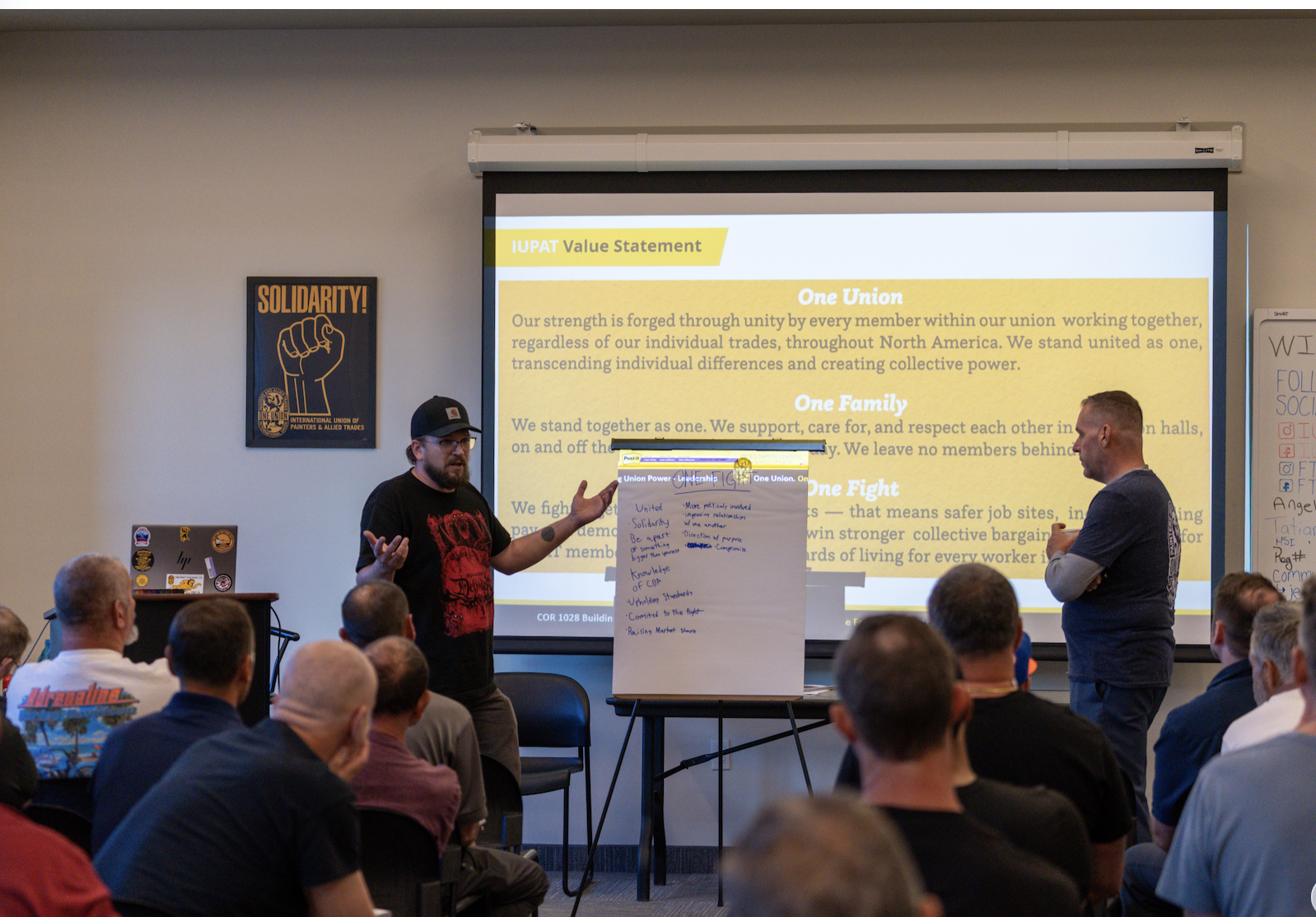
One Union. Our strength is forged through unity. Every member working together, regardless of individual trade, throughout North America — standing united as one, transcending our differences and creating collective power.
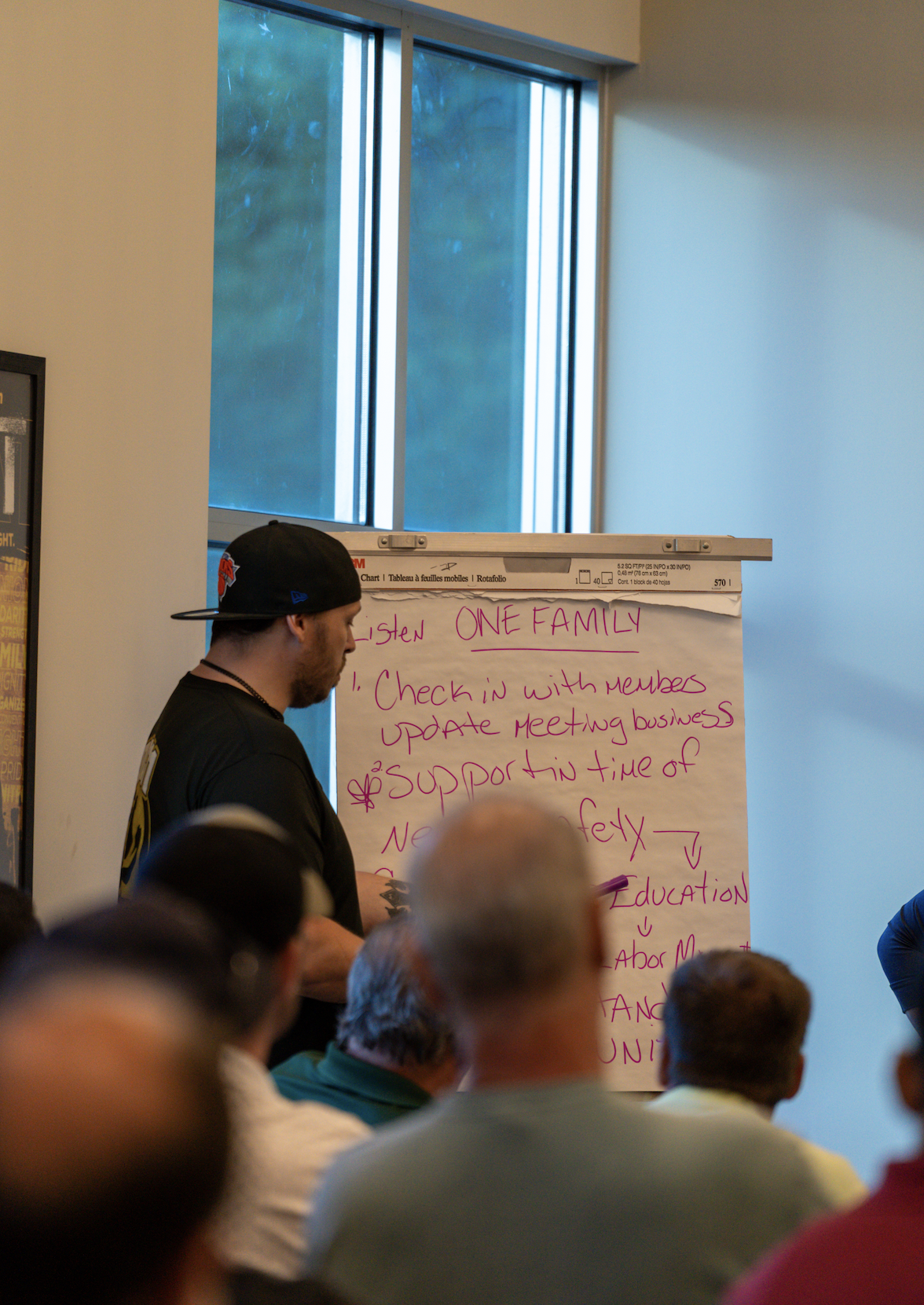
One Family. We stand together as one. We support, care for, and respect each other in our union halls, on and off the job, each and every day. We leave no members behind.
One Fight. We fight together for stronger contracts — that means safer job sites, industry-leading pay, and democracy at work. When we win stronger collective bargaining agreements for IUPAT members, we raise the standard of living for every worker in our crafts.
Your part in it
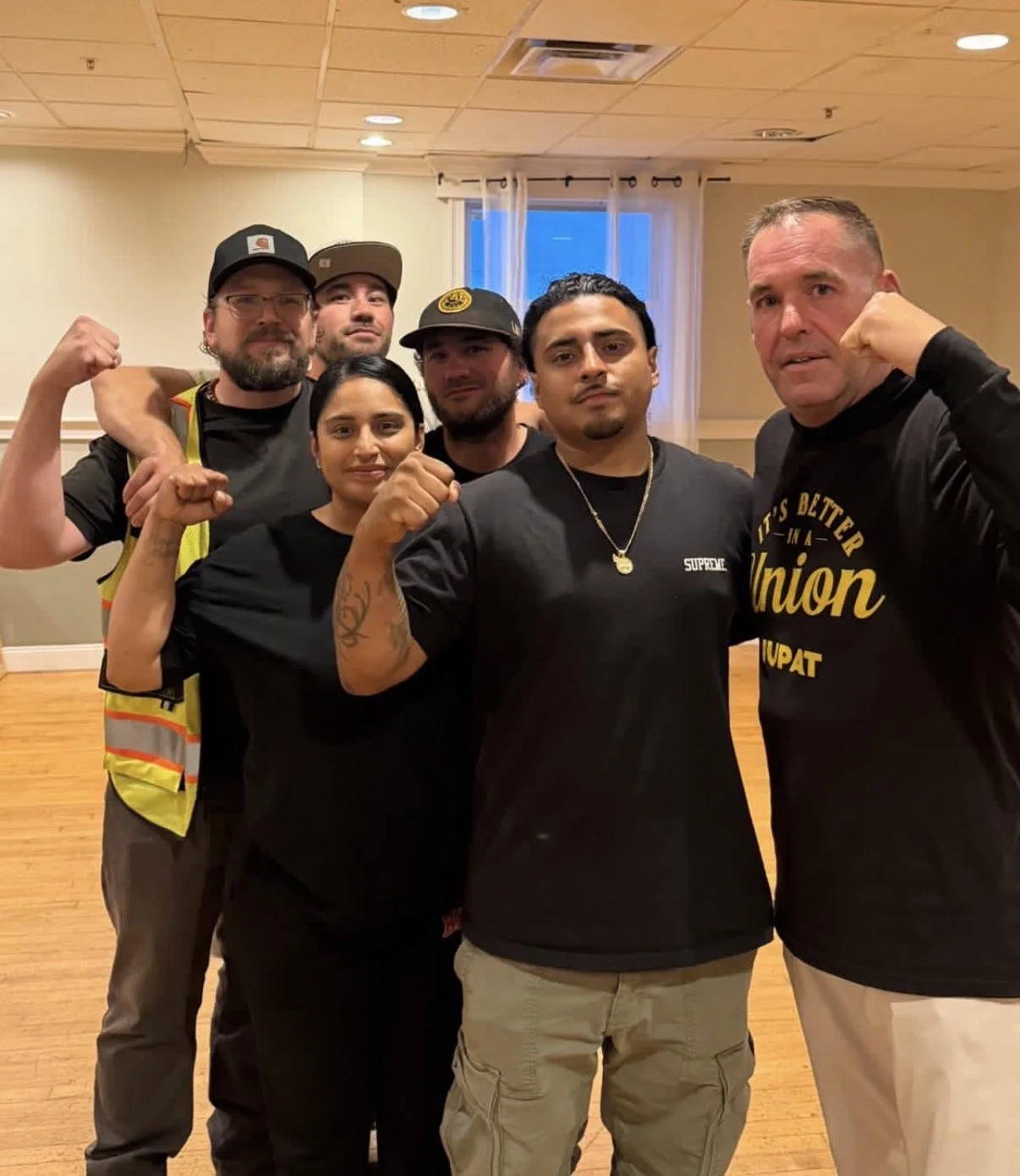
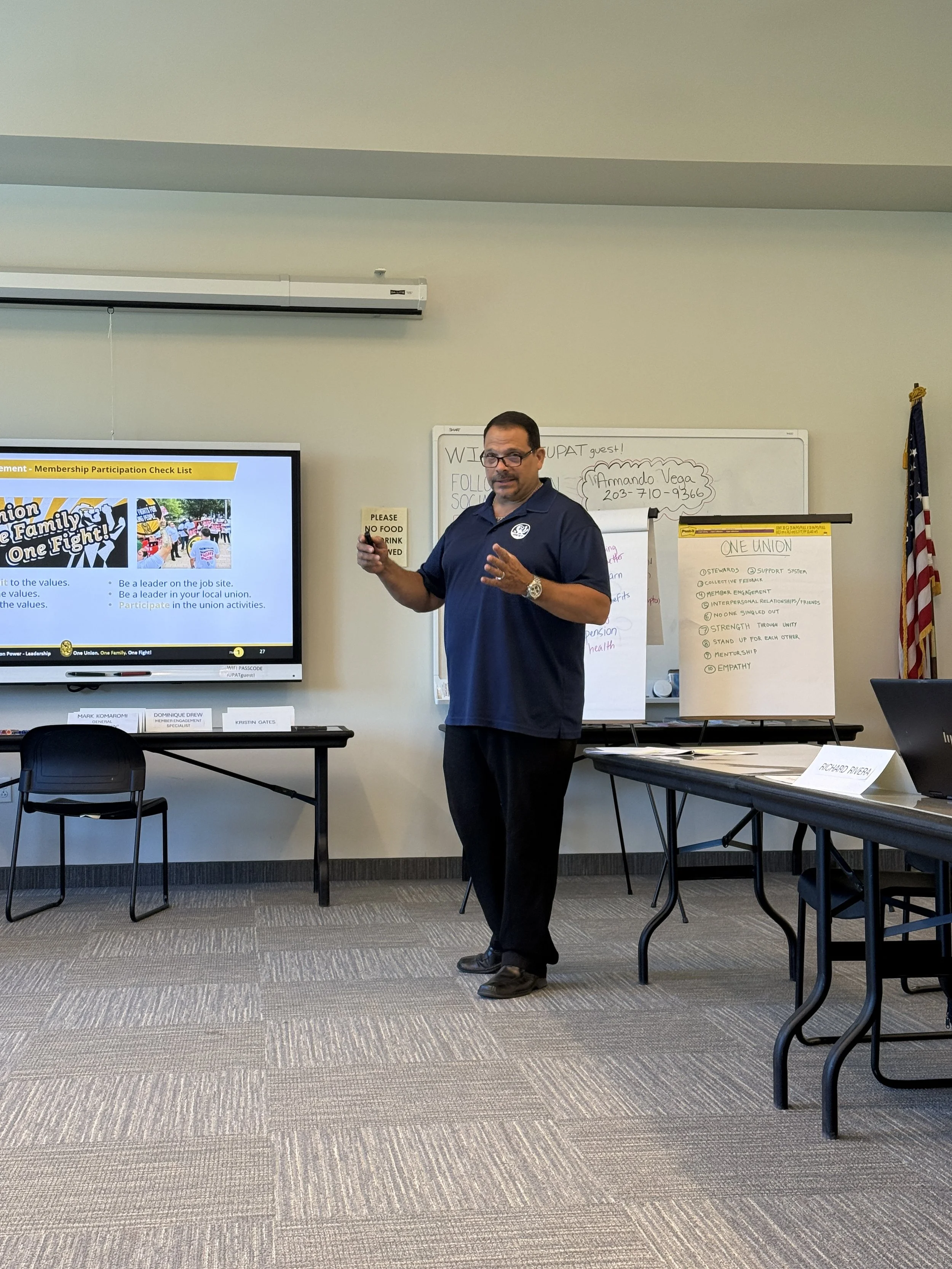
Here's the thing GP Williams kept driving home: this campaign is about YOU. It only works if members step up — be a leader on the job site, be a leader in your local union, show up to union activities, and commit to living and sharing the values of one union, one family, one fight.
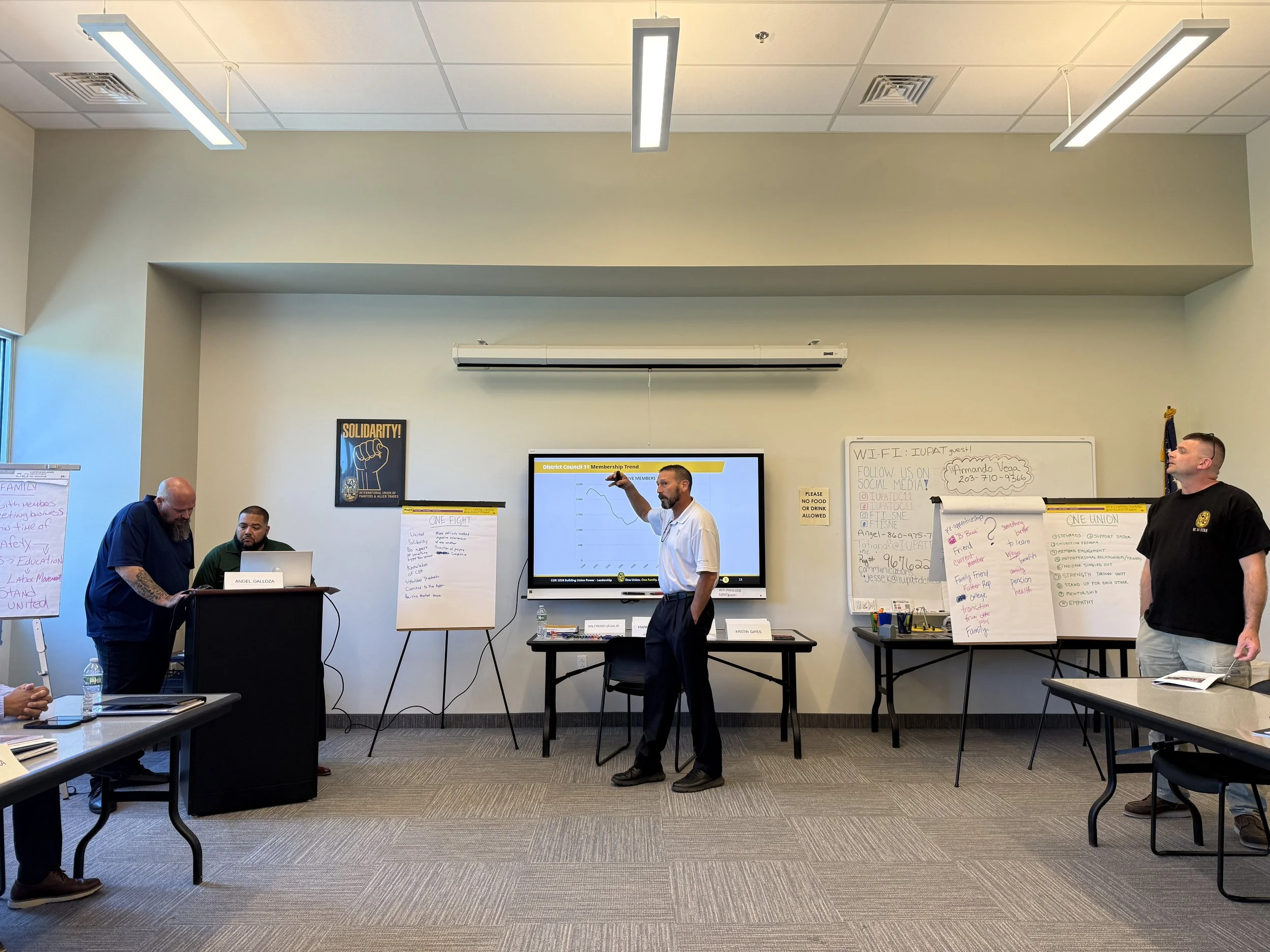
That's why every meeting included breakout groups, where members worked out together what each of those three values means to them. Watching those boards fill up with everyone's ideas was the whole campaign in miniature: members leading, members deciding, members building it together. It's also about breaking down the wall between membership and staff — because that wall shouldn't exist. We are one union. The member comes first. It's about coming together, listening, learning from each other, and giving every member the space to speak and be heard.
The fire's coming back
And GP Williams always brought it home on a hopeful note — because the story isn't over, and it isn't a sad one.
Unions are coming back. Roughly 7 in 10 Americans approve of labor unions right now — near a 60-year high. The tide is turning, and GP Williams is going council to council to re-ignite the fire: the reminder that we have power in legislation, in government, and in building real change in our own communities.
He gets us because he's one of us — he's lived this work, from the field to organizing to leadership, and it shows the second he starts talking. The future of our union is in your hands. This week was the reminder. Now it's on all of us to carry it forward.
One Union. One Family. One Fight.
Thank you to every member who showed up, spoke up, and put in the work this week. This is how we build power — together.
In solidarity, Your DC 11 Family
One Union. One Family. One Fight.
